The Anatomy of a Trail-Ready Hiking Sneaker: Merging Durability and Waterproof Design
The modern hiking sneaker represents a remarkable convergence of athletic footwear technology and rugged outdoor engineering. Unlike traditional heavy leather boots that dominated trails for decades, today’s hiking sneakers offer a lighter, more flexible alternative without sacrificing the core requirements of durability and waterproof protection. Understanding how these shoes achieve their dual mandate requires a close look at the materials, construction methods, and design philosophies that have transformed them into essential gear for everyone from casual day-hikers to serious backpackers.
Durability in a hiking sneaker begins with the upper, the part of the shoe that wraps around the foot. Manufacturers have moved beyond simple mesh and nylon blends, opting instead for engineered textiles that combine high-tenacity fibers with strategic reinforcement. Ripstop nylon and Cordura fabrics are common choices, offering resistance against abrasion from sharp rocks, roots, and scree fields. These materials are often bonded or fused rather than stitched, reducing the number of potential failure points. A durable hiking sneaker also incorporates a rubber toe cap and a reinforced heel counter, protecting the most vulnerable areas from impact and wear. The midsole, typically made from compressed EVA foam or polyurethane, provides cushioning while resisting compression over long distances. Some brands add rock plates—thin, flexible inserts of plastic or carbon fiber—between the midsole and outsole to shield the foot from sharp objects underfoot, a critical feature for traversing uneven terrain.
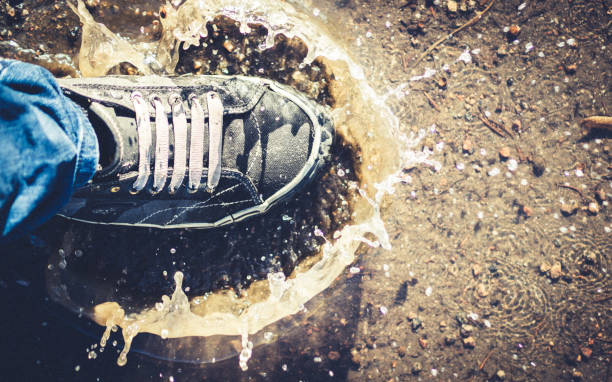
Waterproofing is the second pillar of the trail-ready hiking sneaker, and the technology has evolved significantly from simple waxed leather or rubberized coatings. The industry standard is now the waterproof-breathable membrane, most famously Gore-Tex but also including proprietary alternatives like eVent, SympaTex, and brand-specific films such as Nike’s Shield or Merrell’s M Select DRY. These membranes contain microscopic pores that are small enough to block liquid water molecules from entering the shoe, yet large enough to allow water vapor from perspiration to escape. This breathability prevents the accumulation of moisture inside the shoe, which can lead to blisters, discomfort, and even hypothermia in cold conditions. Many hiking sneakers also feature sealed seams and waterproof zippers or gusseted tongues that prevent water ingress at the opening. The outer material is often treated with a DWR (Durable Water Repellent) finish that causes water to bead up and roll off, keeping the upper from becoming saturated and heavy.
The intersection of durability and waterproof design presents a fundamental engineering challenge. A completely waterproof shoe often sacrifices breathability, leading to sweaty feet, while a highly breathable shoe may fail in wet conditions. Modern hiking sneakers address this tradeoff through layered construction. For example, the outer mesh is designed to drain quickly and resist absorption, while the membrane sits beneath a separate liner that prevents direct contact with the user’s foot. Some brands have adopted knit uppers with integrated waterproof layers that stretch and conform to the foot, reducing the need for bulky seams. Another innovation is the use of waterproof leather or nubuck in combination with a breathable lining, offering a traditional aesthetic with modern performance. Additionally, the outsole—the rubber tread that contacts the ground—plays a role in durability and traction, typically made from compounds like Vibram Megagrip or Contagrip that remain grippy on wet rocks and resist wearing down over hundreds of miles.
The overall design of a hiking sneaker also influences its suitability for outdoor trails. The lacing system, for instance, extends farther down the shoe to lock the heel in place and prevent slipping inside the shoe, which reduces friction and the likelihood of blisters. The collar is often padded and shaped to prevent debris from entering, and the heel has an external stabilizer that helps control pronation on uneven ground. The toe box is typically wider than that of a running shoe, allowing the toes to splay naturally during descents. These subtle details contribute to both comfort and safety, ensuring that the user can concentrate on the trail rather than on foot fatigue or the risk of wet socks.
The appeal of the hiking sneaker lies in its versatility. Unlike a heavy-duty boot that feels clunky on pavement or a flimsy trail runner that offers no protection against water, the hiking sneaker straddles both worlds. It performs admirably on well-maintained paths, scrambling routes, and even light off-trail excursions, provided the terrain is not too technical. Its lighter weight reduces leg strain on long days, and its quick-drying properties are invaluable when crossing streams or encountering sudden rain showers. With proper care—including regular cleaning, reapplication of DWR treatments, and occasional replacement of insoles—a quality hiking sneaker can last several seasons of moderate use, making it a wise investment for outdoor enthusiasts.
As the outdoor industry continues to innovate, future hiking sneakers will likely incorporate more sustainable materials, advanced foam formulations that return energy better, and even smarter membranes that adapt to changing conditions. But for now, the best models on the market prove that durability and waterproofing are not mutually exclusive. They are, in fact, the foundation upon which a truly capable trail shoe is built—a shoe that allows the wearer to step confidently into whatever the path ahead holds, whether that is a muddy ascent, a rocky ridge, or a sudden downpour.
Articles