The Art and Science of Sneaker Resoling: A Guide to Restoring Your Favorite Kicks
When a beloved pair of sneakers begins to show its age, the first instinct for many is to mourn the loss of that perfect fit, the worn-in comfort, and the memories embedded in the soles. The instinct to discard is powerful, but a growing movement among sneaker enthusiasts champions a more sustainable and sentimental alternative: resoling. Far from a simple patch-up, professional resoling is a precise craft that involves removing the degraded outsole and bonding a new one to the existing upper and midsole. This process can revive a pair that might otherwise be relegated to the back of the closet, extending its lifespan by years and preserving the unique character that only wear can impart.
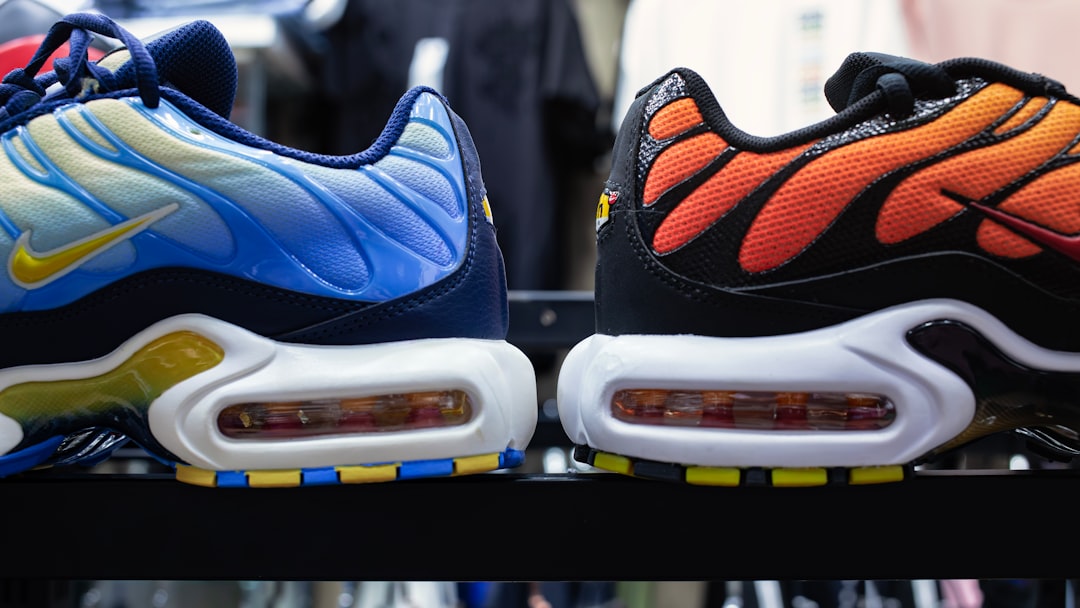
Understanding the anatomy of a sneaker is essential to appreciating what resoling actually achieves. Most modern sneakers consist of three primary layers: the outsole, the midsole, and the upper. The outsole is the rubber or synthetic material that contacts the ground, bearing the brunt of abrasion, moisture, and dirt. The midsole sits above it, often made of foam, gel, or air units, providing cushioning and shock absorption. The upper wraps the foot. Over time, the outsole wears thin, develops smooth patches, or even separates from the midsole due to glue degradation. Resoling targets this outermost layer, carefully peeling away the worn rubber and replacing it with a new outsole that matches the original shape, thickness, and tread pattern. Some services also refresh the midsole with new foam inserts or replace worn heel pads, but the core of resoling is the outsole restoration.
The methods of resoling vary depending on the sneaker construction. Vulcanized sneakers, such as classic canvas sneakers, have outsoles that are chemically bonded to the upper during manufacturing. These require a more delicate process: the old outsole must be ground away rather than peeled, and the new sole is attached using a combination of heat and pressure to recreate the original vulcanization bond. Cupsole constructions, common in athletic and lifestyle sneakers, involve stitching or gluing a separate outsole to a molded midsole. For these, the old outsole can often be removed with heat and a sharp blade, and the new sole is cemented into place using industrial-strength adhesives. Skilled resolers also pay close attention to the shape of the heel and toe, ensuring that the replacement sole mimics the original profile so the sneaker maintains its intended fit and feel.
One of the primary benefits of resoling is the preservation of the upper. A sneaker’s upper often molds to the wearer’s foot over time, developing a customized fit that cannot be replicated with a new pair. Leather uppers develop creases and patina, suede softens, and woven materials become pliable. These characteristics are lost when you buy a fresh pair, and resoling allows you to keep that broken-in comfort while restoring traction and structural integrity. Additionally, for limited-edition or vintage sneakers, the upper may be irreplaceable due to discontinued materials or colorways. Resoling becomes the only way to keep those rare sneakers wearable.
Cost is another consideration that makes resoling attractive. While a professional resoling service can range from fifty to over a hundred dollars depending on the complexity and materials, this is often significantly less than purchasing a new pair of high-end sneakers. For sneakers that cost two hundred dollars or more, resoling can pay for itself after just one or two applications, especially if the upper remains in good condition. Many services offer tiered packages: basic resoling with a standard outsole, premium options with original or custom aftermarket soles, or even upgrades to more durable rubber compounds that improve longevity beyond the original.
The environmental impact of resoling should not be overlooked. The sneaker industry produces millions of pairs each year, many of which end up in landfills long before their uppers have worn out. By choosing to resole, a consumer directly reduces waste, conserves the energy and resources required to produce new shoes, and lowers their personal carbon footprint. In an era where sustainability is increasingly important, resoling aligns perfectly with the ethos of repair over replacement. Some resoling shops also recycle the removed outsoles into playground surfaces or industrial mats, closing the loop further.
However, resoling is not a one-size-fits-all solution. Sneakers with severe midsole compression, torn uppers, or structural damage to the heel counter may not be good candidates. The foams used in many modern performance sneakers, such as Nike’s React or Adidas’s Boost, compress irreversibly after hundreds of miles, and resoling the outsole alone will not restore the original cushioning. In those cases, a full midsole replacement or even a careful injection of new foam may be attempted by specialized technicians, but this is far more expensive and technically challenging. It is wise to consult with a professional resolers’ shop before committing; many offer free evaluations and can advise whether the investment is worthwhile.
For those interested in a more hands-on approach, DIY resoling kits exist, but the results are rarely comparable to professional work. Achieving the precise alignment, adequate bond strength, and lasting durability requires experience, specialized presses, and high-grade adhesives that are not readily available to consumers. A poorly executed DIY resole can lead to premature separation, uneven wear, or even injury if the sole detaches during use. For most enthusiasts, trusting a reputable resoler is the safest and most satisfying path.
The resurgence of resoling services reflects a broader cultural shift within sneaker collector circles. The hobby is no longer solely about acquiring limited drops; it is increasingly about stewardship and longevity. A well-resoled sneaker carries the story of its owner’s journeys, the scuffs from a favorite concert, the faded marks from daily commutes. By extending the life of a favorite pair, resoling transforms a disposable commodity into a cherished artifact. It is a quiet rebellion against planned obsolescence, a statement that the best sneakers are the ones that have walked with you the longest.
Articles