The Art of Adaptation: How Styling Unlocks the Full Potential of Your Wardrobe
In an era increasingly conscious of consumption, the true value of a clothing collection lies not merely in acquisition but in maximization. Beyond the quality of fabrics and construction, it is the art of styling that serves as the most powerful tool for extending the life and amplifying the versatility of any wardrobe. Styling is the creative alchemy that transforms static pieces into dynamic expressions, ensuring garments are not abandoned due to perceived staleness but are continually rediscovered and reinvented. Through thoughtful coordination, accessorizing, and a shift in perspective, we can cultivate a sustainable and deeply personal relationship with our clothes.
Fundamentally, styling combats the psychological fatigue that leads to wardrobe turnover. A classic blazer or a simple pair of trousers may be dismissed after a handful of wears if one is locked into a single, repetitive outfit formula. However, when approached with a stylist’s eye, that same blazer finds new life. It can transcend contexts, moving from the office when paired with tailored trousers to a weekend look when thrown over a floral dress or even a graphic t-shirt and jeans. This deliberate re-contextualization refreshes the garment in the wearer’s mind, breaking the monotony and reinforcing its value as a multifaceted tool rather than a one-note item. The garment is not exhausted; the initial combinations are. Styling, therefore, directly extends the active life of clothing by continuously renewing its appeal and relevance to the wearer’s evolving taste and daily needs.
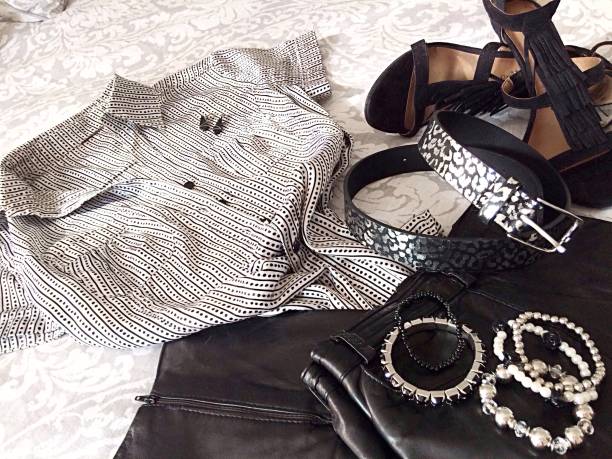
The extension of a collection’s life is inextricably linked to the expansion of its versatility. Styling acts as a force multiplier for each piece. Consider a simple silk slip dress. On its own, it may be reserved for evening wear. Yet, with strategic styling, its utility proliferates. Layered over a turtleneck and paired with boots, it becomes autumnal daywear. Draped with a chunky knit sweater on the shoulders and paired with sneakers, it achieves casual elegance. The introduction of accessories—a belt to change the silhouette, statement jewelry to alter the mood, or different footwear to pivot the formality—creates distinct outfits from a single anchor piece. This approach effectively turns a limited collection into a seemingly endless array of options, reducing the perceived need for new purchases to achieve new looks. Each item’s cost-per-wear plummets as its stylistic applications soar, which is the hallmark of a wise and sustainable wardrobe.
Moreover, styling empowers the wearer to adapt a core collection to changing trends without capitulating to fast fashion cycles. Instead of discarding a perfectly good item because it feels dated, styling encourages the integration of contemporary elements through accessories or layering techniques. A dated piece can be modernized by pairing it with a currently popular shoe shape, a new bag silhouette, or by employing a trending layering method. The foundational collection remains constant and durable, while styling provides the ephemeral, trend-driven flourish. This practice not only saves resources but also cultivates a more personal and enduring style identity, one that is responsive but not reactive to the whims of the fashion industry.
Ultimately, styling is the practice of seeing potential. It is a mindful dialogue between the wearer and their wardrobe that prioritizes creativity over consumption. By mastering this art, we liberate our collections from the confines of single uses and seasonal expiration dates. We build a deeper appreciation for the pieces we own, recognizing them not as finished outfits but as versatile components awaiting combination. In this way, styling becomes an essential discipline for both economic and environmental sustainability, proving that the longest-lived and most versatile collection is not necessarily the largest, but the one that is most thoughtfully and imaginatively worn.
Articles