The Art of Cleaning Suede Sneakers: A Gentle Approach
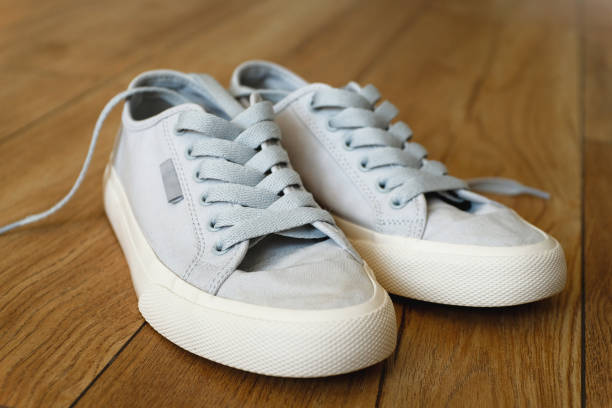
Suede sneakers occupy a hallowed place in any sneaker collection, offering a texture and depth of color that smooth leathers and synthetics simply cannot replicate. Yet their very beauty is also their vulnerability. Suede is a delightfully porous and nap-rich material, derived from the underside of animal hides, which makes it exceptionally responsive to dirt, moisture, and scuffs. A single walk through a dewy morning or an accidental brush against a curb can leave permanent marks if handled incorrectly. Understanding the unique properties of suede is the first step toward preserving its life. Unlike polished leather, suede should never be immersed in water or doused in harsh chemicals. Water causes the fibers to stiffen and darken unevenly, while aggressive scrubbing can mat down the nap, creating shiny patches that are difficult to reverse. A gentle, dry-first approach is the golden rule.
Before any liquid touches the surface, begin with a soft bristle brush—preferably one made of brass or rubber specifically designed for suede. Use light, short strokes in a single direction to lift dried mud, loose dirt, and surface dust. Never scrub back and forth, as this can fray the fibers. For stubborn grime embedded deep in the nap, a suede eraser or a standard pencil eraser works wonders. Rub the eraser gently over the spot until the dirt transfers onto the rubber, then brush it away. This dry-cleaning step alone resolves roughly eighty percent of common stains, from sidewalk grit to light oil marks. If a stain remains after brushing and erasing, it is time to consider a targeted moisture treatment, but only as a last resort.
When liquid intervention becomes necessary, the key is restraint. Fill a small bowl with lukewarm water and add a drop of mild, pH-neutral soap—baby shampoo or a dedicated suede cleaner is ideal. Dip a clean microfiber cloth into the solution, wring it out until barely damp, and then dab the stained area. Do not rub. Rubbing forces the dirt deeper into the fibers and can spread the stain. Instead, use a blotting motion, lifting the stain upward. After blotting, immediately use a dry cloth to absorb the excess moisture. Then, with the suede still damp, use the eraser or a clean dry brush to gently re-nap the fibers. This step is critical because wet suede tends to flatten; restoring the nap while it is still pliable prevents the formation of hard, shiny spots.
Water stains represent a unique challenge. They appear as dark rings or splotches after rain or accidental splashes. The first instinct may be to dry the sneakers quickly with heat, but that is a mistake. Heat sets the stain permanently. Instead, let the sneakers air dry completely at room temperature, away from direct sunlight or radiators. Once fully dry, the water marks often fade on their own. If they persist, lightly mist the entire surface of the sneaker with a fine spray of water—an even dampness redistributes the minerals that cause rings—and then gently brush the nap as the moisture evaporates. This uniform re-wetting technique often erases the ghostly outlines left by random splashes.
For oil and grease stains, speed is your ally. Immediately blot the spill with a paper towel to absorb as much oil as possible. Then sprinkle a generous layer of cornstarch or talcum powder over the spot. Let it sit for several hours, or ideally overnight. The powder draws the oil out of the fibers. In the morning, brush away the powder thoroughly. Repeat if a shadow remains. Never apply water to an oil stain on suede; water can push the grease deeper. The dry powder method is far safer and surprisingly effective.
Scuffs are a different beast. They are not always dirt, but rather a flattening of the nap caused by friction. A suede brush alone can often restore the nap by simply lifting the compressed fibers. For deeper scuffs, use a fine-grit sandpaper or a suede stone. Rub very lightly over the scuff in one direction, then brush vigorously. The goal is to abrade only the topmost layer of flattened fibers, not to wear through the suede. A well-executed sanding will make the scuff blend seamlessly into the surrounding texture.
The final step in any suede cleaning routine is to apply a protective spray. Silicone-based or water-based suede protectors create an invisible barrier that repels water and light oils without altering the color or breathability. Spray from about six inches away in a well-ventilated area, applying two light coats and allowing drying time between them. Reapply this protection every few weeks, particularly during rainy seasons. Prevention, after all, is the most elegant form of care. With patience, a soft hand, and the right tools, suede sneakers can maintain their velvety allure for years, aging gracefully rather than deteriorating quickly.
Articles