The Art of Sneaker Deodorizing: Natural Remedies for Lasting Freshness
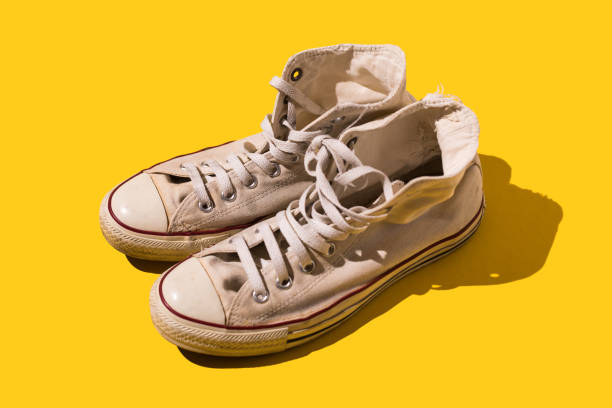
Every sneakerhead knows the pang of disappointment when a beloved pair of kicks, after countless miles of pavement pounding, begins to emit an unmistakable odor. That sour, musty smell is not a badge of honor but a signal that microorganisms have taken up residence in the fibers and insoles of your footwear. Understanding why sneakers become odorous is the first step toward effective remediation. The primary culprits are bacteria and fungi that thrive in the warm, dark, damp environment created by your feet. Sweat alone is virtually odorless, but when combined with the dead skin cells and oils that accumulate inside a shoe, it becomes a feast for microbes. Their metabolic processes produce volatile compounds such as isovaleric acid, which give off that characteristic cheesy or sour stench. Deodorizing is therefore not merely about masking smells with artificial fragrances; it is about addressing the root cause by eliminating the microbial population and preventing future growth.
The most reliable and cost-effective natural deodorizer is a substance found in nearly every kitchen: baking soda, or sodium bicarbonate. Its ability to neutralize odors comes from its chemical nature as a mild alkali. When baking soda comes into contact with acidic odor molecules, it reacts to form harmless salts and water, effectively stripping the smell away rather than covering it up. To use it, simply sprinkle a generous amount inside each shoe, ensuring it reaches the toe box and heel area where moisture accumulates most. Let the powder sit overnight, or for longer periods if the odor is particularly stubborn. The longer the contact time, the more volatile compounds are absorbed. In the morning, tap out the excess powder thoroughly, or use a vacuum cleaner with a narrow attachment to remove every grain. For an added boost, combine baking soda with a few drops of an antiseptic essential oil such as tea tree or lavender, which possess natural antifungal and antibacterial properties. This combination not only neutralizes existing odors but also helps inhibit regrowth of the microbes responsible.
Another highly effective natural remedy is activated charcoal. Unlike regular charcoal, activated charcoal has been treated to create a vast network of microscopic pores that trap odor molecules through a process called adsorption. The charcoal binds these molecules to its surface, locking them away and preventing them from reaching your nose. Many sneaker enthusiasts place small muslin bags filled with activated charcoal pellets inside their shoes when not in use. These bags can be recharged by baking them in a low oven for a few hours to release trapped moisture and odors, making them a reusable solution. For a do-it-yourself approach, crush a few tablets of activated charcoal into a fine powder and sprinkle it lightly inside the shoe, similar to the baking soda method. However, be cautious with dark powders: they can stain light-colored linings, so use a paper towel or old sock as a buffer. Charcoal is particularly useful for deep-set odors that have become embedded in the foam midsole or insole materials, where bacteria can linger even after washing.
White vinegar is another household staple that punches well above its weight in the battle against sneaker stench. Vinegar’s acetic acid content creates an acidic environment that is hostile to bacteria and fungi. To use it, mix equal parts white vinegar and water in a spray bottle, then lightly mist the interior of the shoes. Avoid soaking the lining, as excessive moisture can damage glue bonds and cause delamination. After spraying, let the shoes air dry completely, preferably in a well-ventilated area away from direct sunlight, which can degrade synthetic materials. The vinegar scent will dissipate as it dries, taking much of the shoe odor with it. Some people worry about smelling like salad dressing, but the acetic acid evaporates quickly, leaving behind no residual perfume. For persistent smells, you can also place small bowls of vinegar inside shoes sealed in a plastic bag overnight; the fumes will permeate and neutralize odors. This method works especially well for sneakers that have been stored in damp closets or gym bags for extended periods.
Sunlight and fresh air are perhaps the most underutilized yet powerful deodorizing tools. Ultraviolet radiation from the sun has natural germicidal properties that can kill many of the bacteria and fungi responsible for foot odor. Exposing sneakers to direct sunlight for a few hours each week can dramatically reduce microbial populations. However, this method requires caution: prolonged exposure can cause fading of colors, cracking of synthetic leathers, and hardening of rubber components. A good practice is to place the shoes in bright but indirect sunlight, such as near a window with a sheer curtain, or to limit direct exposure to thirty minutes at a time. Pairing sunlight with a breeze ensures that moisture evaporates from the interior, stripping bacteria of the damp environment they require to survive. For sneakers that cannot tolerate sunlight, such as those with delicate mesh or neon accents, simply leaving them in a dry, airy room with good cross-ventilation can work wonders over a couple of days.
Prevention is always preferable to cure, and developing a simple maintenance routine will keep your sneakers smelling fresh between deep cleans. Rotating your pairs so that each has at least twenty-four hours to fully dry out between wears is one of the most effective strategies. Inserting cedar shoe trees when the shoes are not being worn not only absorbs moisture but also releases a pleasant, natural wood scent that acts as a mild antimicrobial. Cedar shavings or chips in small sachets can serve a similar purpose if shoe trees are not available. Wearing moisture-wicking socks made of merino wool or synthetic blends can also reduce the amount of sweat that reaches the shoe lining, depriving bacteria of their fuel source. And never underestimate the power of a simple sprinkle of baking soda after each wear. A quick application before storing the shoes can prevent odor from ever taking hold.
For those who prefer a more hands-on approach, freezing is a surprisingly effective method for killing odor-causing bacteria. Place the sneakers in a sealed plastic bag and put them in the freezer overnight. The extreme cold slows microbial metabolism and, over time, kills many of the organisms. This technique works best when combined with thorough drying before freezing, as ice crystals can damage shoe materials if moisture is present. After removing the shoes from the freezer, allow them to come to room temperature naturally and then apply a light dusting of baking soda to absorb any remaining moisture. Freezing does not remove the odors already produced by dead bacteria, so it should be paired with a deodorizing agent for optimal results.
Ultimately, the key to keeping well-worn sneakers fresh is consistency. A small investment of time each week—sprinkling powder, airing out, or wiping down insides with a vinegar solution—will pay dividends in extending the life of your collection and maintaining the comfort of wearing them. By embracing these natural, chemical-free methods, you respect both your footwear and your environment, proving that the freshest kicks are those cared for with thoughtful, sustainable practices.
Articles