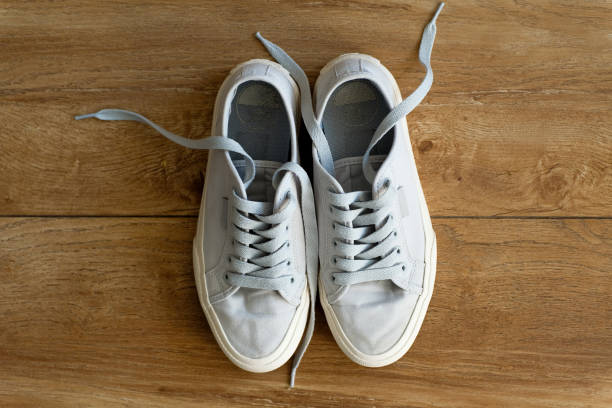
The Art of the Rotation: Building a Wearable Sneaker Collection Without Chasing Hype
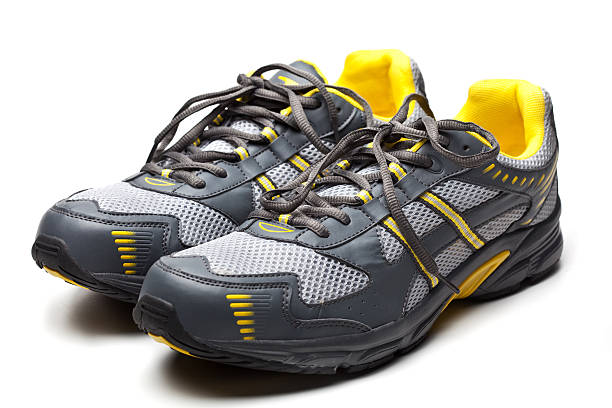
A sneaker collection is not a warehouse with shelves. It is a working wardrobe. The most satisfying collections are built around use, not accumulation. Beginners often mistake volume for progress: every drop feels urgent, every resale listing looks like an opportunity, and every limited release promises instant credibility. Experts learn a quieter lesson. A pair earns its place by fitting the rotation, surviving real weather, matching real clothes, and holding up through repeated wear. The goal is not to own everything. It is to own the right things for the life you actually live.
Start with an honest inventory of your days. Most people need fewer categories than they think: a daily neutral, a weather-ready option, a comfortable long-walk pair, a slightly sharper silhouette, and one expressive shoe that makes the collection feel personal. That is not a rigid checklist; it is a map. A beginner can fill those roles with reliable general-release models and still build a collection that feels complete. An expert can refine the same map with materials, construction, and rare colorways, but the logic remains. Wearability is the foundation. If a pair only works for photographs, it belongs in a display case or someone else’s closet, not at the center of a strategy.
Budgeting is where collector culture and resale collide. Hype inflates prices, and resale can tempt buyers into treating sneakers as assets before they have learned what they truly enjoy wearing. A useful rule is to separate the acquisition budget from the maintenance budget. Cleaning supplies, protectors, replacement laces, and occasional repairs are part of ownership. Beginners should set a monthly ceiling and resist the pressure to chase every release. Experts can benefit from a more sophisticated version of the same discipline: a wish list, a cooling-off period, and a rule that a new pair must either replace a worn-out role or add a genuinely new use case. That approach slows impulse buying and makes resale decisions clearer. A pair is not a good deal merely because it is available below market price; it is a good deal only if it serves the collection.
Rotation is the practice that separates a collection from a stockpile. Wearing shoes evenly reduces premature wear, gives midsoles time to recover, and reveals which pairs deserve to stay. A simple rotation can be organized by season, weather, and outfit rather than by release date. Beginners can rotate three or four pairs through the week and keep one clean pair for nicer occasions. Experts might rotate by material and silhouette, using leather in wet conditions, mesh in heat, and chunkier soles for long days. The point is not ritual. The point is feedback. Every wear tells you whether the fit is right, whether the colorway works with your wardrobe, and whether the comfort matches your routine. Pairs that never leave the shelf become data, not failure.
Care and storage belong in the strategy from the beginning. A collection grows healthier when shoes are cleaned promptly, dried away from direct heat, stuffed to hold shape, and stored where they can be seen and reached. Visible storage discourages duplicate purchases because it makes the collection legible. It also supports community. When collectors know what they own, they can trade, sell, or pass along pairs with intention. Resale is not only a market; it is a circulation system. Community is not only a social feed; it is a source of fit advice, durability reports, and honest warnings about hype. Beginners should ask questions before buying. Experts should share what they have learned without turning preference into gatekeeping.
The strongest collections evolve through subtraction as much as addition. Review the rotation each season. Sell or donate pairs that no longer fit your life. Repair what can be repaired. Replace only what is missing. Let one expressive pair carry more personality than five safe ones. This is how a collection becomes personal without becoming chaotic. It respects the thrill of the hunt while refusing to let the hunt define the collector. Hype will keep moving. Resale markets will keep fluctuating. A well-built rotation remains useful, readable, and ready for the street, which is where sneaker culture began and where every good collection proves itself.