The Art of the Sneaker Convention Booth: From Display Strategy to Community Connection
The hum of hundreds of conversations, the squeak of rubber soles on polished concrete, and the unmistakable scent of new leather and aged cardboard fill the air. A sneaker convention is more than a marketplace; it is a living museum of footwear culture, a trading floor for passion, and a stage where reputations are made. For vendors, these events represent the apex of the year’s business, a chance to move inventory, build a brand, and forge relationships that extend far beyond the weekend. But success at a sneaker convention is rarely accidental. It requires a deliberate blend of visual merchandising, pricing psychology, and genuine engagement with a community that values authenticity above all else.
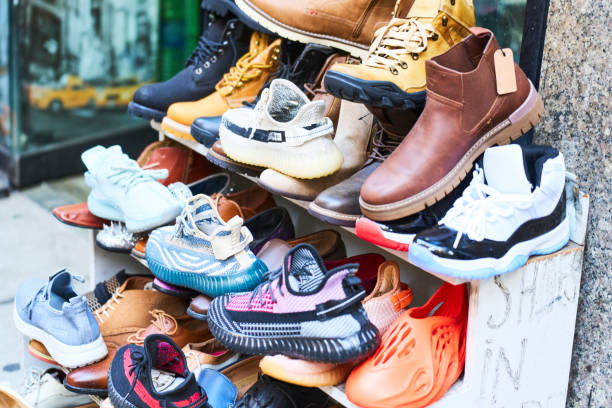
The first and most critical element of any successful booth is the layout itself. An experienced vendor knows that the initial glance from a passerby determines whether they stop or keep walking. Tables should be arranged to create a clear sightline, with the most eye-catching items placed at the front. This is not about flooding the table with every pair in stock; curation is paramount. A row of pristine, deadstock Jordan 1s in rare colorways draws the eye, while a second tier of slightly worn but desirable Dunks invites closer inspection. Vertical space is equally important. Using risers, acrylic stands, or even simple shoe racks to elevate pairs at different heights breaks the monotony of a flat surface and allows customers to view silhouettes without crouching. Lighting matters enormously—portable LED strips or clip-on lamps can make the difference between a pair that looks good and one that looks spectacular. The goal is to tell a story with each shelf, grouping pairs by era, collab, or theme so that a collector can easily spot the narrative behind the selection.
Pricing is a tightrope walk at a convention. Set prices too high, and you alienate the savvy visitors who have done their research; set them too low, and you leave money on the table or, worse, signal that your inventory is not premium. Many top vendors use a subtle tiered system visible only to the trained eye. A small, handwritten price tag on the sole of the shoe suggests a negotiable price, while a printed sticker on the box lid indicates a firm number. The best approach is to price competitively but leave a small margin for haggling—not because you need to bargain, but because the act of negotiation creates a psychological bond. A buyer who feels they have earned a discount is far more likely to remember your booth and return next year. However, be transparent. Sneakerheads respect honesty; if a pair has a flaw, point it out before they ask. That integrity builds trust that translates into repeat business and word-of-mouth referrals.
Beyond the physical setup and pricing, the most undervalued tool in a vendor’s kit is conversation. A sneaker convention is a social ecosystem, not a retail store. The people who walk past your booth are not customers; they are enthusiasts who may have driven hundreds of miles to share a common language of silhouettes, releases, and memories. A vendor who stands silently behind a table scrolling on a phone will be ignored. The vendor who asks, “See anything that catches your eye?” or “What size are you hunting for?” opens a door. From that door, stories emerge—about the pair that got away, the grail that was finally acquired, the first sneaker that started a collection. These stories are the currency of the community. Listening to them, offering a tip about a booth across the hall, or even sharing a laugh over a failed online raffle transforms a transactional moment into a connection. Vendors who become known as approachable and knowledgeable often find that their reputation spreads faster than any paid advertisement.
Logistics also play a silent but crucial role. A well-prepared vendor arrives with extra bags, clear pricing signage, a portable card reader (because cash is not king for everyone), and a reliable way to authenticate pairs on the spot. Authentication is a trust-building exercise. Having a loupe, a UV light, and the knowledge to spot a fake is not just for security—it is a service you offer the community. When a buyer asks, “Is this legit?” and you can walk them through the stitching, the box label, and the size tag, you are educating them and solidifying your authority. That expertise becomes a magnet. First-time attendees, especially younger collectors, gravitate toward booths where they feel they are learning rather than just spending.
Finally, the end of the convention is as important as the beginning. Smart vendors pack up with intention, collecting business cards or Instagram handles from every meaningful interaction. They follow up within a week, not with a sales pitch, but with a thank-you and a note about something specific they discussed. That small gesture turns a one-time booth visitor into a long-term member of their network. In the world of sneaker conventions, the real inventory is not the shoes on the table—it is the relationships built around them. The most successful vendors understand that they are not just selling sneakers; they are stewards of a culture, and every booth is an invitation to join the story.
Articles