The Balenciaga Triple S and the Rise of the Dad Shoe Phenomenon
The sneaker industry has long been a battleground between performance and aesthetics, function and fashion. Yet no single pair of shoes has blurred these lines more dramatically than the Balenciaga Triple S. Released in 2017 under the creative direction of Demna Gvasalia, the Triple S did not merely introduce a new silhouette; it fundamentally rewired the cultural logic of what a luxury sneaker could be. By deliberately embracing the ungainly proportions of a 1990s dad shoe, Balenciaga turned an object of ridicule into a symbol of status, creating a paradox that would define the next decade of sneaker culture.
To understand the Triple S’s impact, one must first appreciate the context of its arrival. The early 2010s had been dominated by streamlined, minimal sneakers: the adidas Stan Smith, Common Projects’ Achilles Low, and Nike’s Roshe Run all celebrated clean lines and understated luxury. Hypebeast culture had elevated limited-edition collaborations, but the reigning silhouette remained sleek and athletic. Balenciaga itself had found success with the Arena, a high-top that borrowed from basketball heritage. Then came Demna, a Georgian designer who had already reshaped Vetements by turning everyday garments into ironic fashion statements. At Balenciaga, he applied the same instinct to footwear.
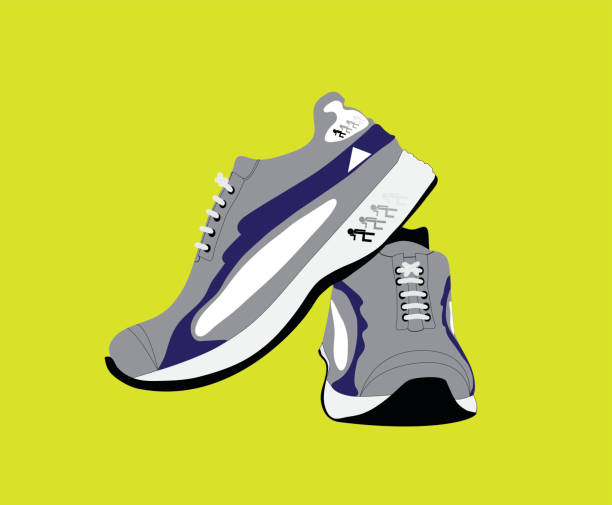
The Triple S looked almost deliberately wrong. Its sole was exaggerated to an almost absurd thickness, triple-stacked with layers of foam, rubber, and distressed mesh. The upper was a chaotic patchwork of mesh, suede, and leather panels pulled from disparate archival sources—a running shoe, a hiking boot, a basketball trainer. It was heavy, clunky, and unapologetically large. Critics called it hideous. Sneaker purists decried the lack of performance technology. Yet within months, it became the most photographed shoe on Instagram, sold out repeatedly, and spawned a wave of imitators from Louis Vuitton, Prada, and even Nike’s own M2K Tekno.
What made the Triple S so revolutionary was its inversion of sneaker values. For decades, the sneaker world had worshipped at the altar of lightness, speed, and technical innovation. Balenciaga argued that weight could signal substance, that clumsiness could telegraph authenticity, and that intentional ugliness could be a more powerful luxury statement than refinement. The shoe’s massive sole, in particular, became a visual shorthand for status: it was impossible to ignore, impossible to miss. In an age of social media visibility, the Triple S functioned as a wearable logo, not through branding but through sheer volumetric presence.
This shift did not happen in isolation. The Triple S rode a wave of broader cultural currents. Normcore had already desensitized fashion consumers to deliberately mundane dressing. Streetwear’s rise had eroded the boundary between high fashion and the everyday. Sneakerheads, meanwhile, were becoming fatigued by endless retro releases of Air Jordans and Yeezys. Balenciaga offered something that felt genuinely new—not because it was technologically advanced, but because it was conceptually daring. The shoe announced that luxury could be found in the unglamorous, that the most exclusive possession might be the one that looked like it came from a discount bin.
The “dad shoe” label, initially a pejorative, was quickly reclaimed. Balenciaga had discovered a loophole in the logic of cool: by creating a shoe that only a rich person could afford to wear ironically, they made it desirable to everyone. The Triple S became a litmus test for fashion literacy. Those who dismissed it as ugly revealed their inability to see beyond surface aesthetics. Those who wore it demonstrated a nuanced understanding of taste, signaling that they were in on the joke—and had two thousand dollars to spend on a punchline.
The consequences for sneaker culture were profound. After the Triple S, the industry’s center of gravity shifted from performance innovation to design provocation. Brands began competing not to create the lightest or fastest shoe, but the most visually disruptive one. Chunky soles became ubiquitous, from the adidas Yung-1 to the New Balance 990v5’s resurgence. Luxury houses that had previously avoided sneakers suddenly rushed to produce their own exaggerated trainers. The sneaker market, once driven by athlete endorsements and technological breakthroughs, became a playground for conceptual fashion.
At the same time, the Triple S accelerated the blurring of gender lines in sneaker design. Its massive, unisex form rejected the slender femininity that had characterized women’s luxury footwear. Women wore it with dresses, men with suits—the shoe’s neutrality became a canvas for individual expression. It also democratized access to high fashion in an unexpected way. While the price point remained exclusive, the silhouette itself was widely copied and adapted, meaning that even budget shoppers could participate in the dad shoe trend. The ripple extended down to fast fashion, where chunky sneakers became a staple.
Yet the Triple S also raised uncomfortable questions. Was this ironic luxury simply another form of conspicuous consumption? Did the shoe genuinely challenge taste hierarchies, or did it reinforce them by creating a new code that only the initiated could decipher? Critical voices noted that the dad shoe trend, for all its subversive pretensions, ultimately served the same function as traditional luxury—marking status through a visual cipher. The difference was that the cipher now required cultural literacy rather than obvious opulence.
Looking back, the Balenciaga Triple S stands as a watershed moment. It proved that sneaker culture could absorb high fashion’s most radical ideas without losing its street credibility. It demonstrated that ugliness, when properly contextualized, could be more valuable than beauty. And it cemented Demna Gvasalia’s role as the architect of a new sneaker paradigm, one where meaning matters more than function. The dad shoe may no longer dominate runways as it did in 2018, but its influence persists. Every absurdly proportioned sneaker released today owes a debt to the Triple S, a shoe that dared to be heavy, clumsy, and utterly unforgettable.
Articles