The Battle of Ounces: Lightweight Knit Versus Sturdy Leather in Modern Sneaker Design

The sneaker industry has long been defined by a fundamental tension between two competing priorities: the desire for featherlight, almost imperceptible footwear that enhances speed and agility, and the demand for robust, supportive construction that endures repetitive impact and protects the foot over years of use. This dichotomy is most apparent when examining weight comparisons between lightweight and sturdy sneaker builds, a topic that reveals not only material science but also the evolving philosophy of what a performance shoe should be. Every gram shaved from a shoe’s upper or midsole represents a trade‑off, and understanding that trade‑off is essential for any enthusiast seeking the perfect balance.
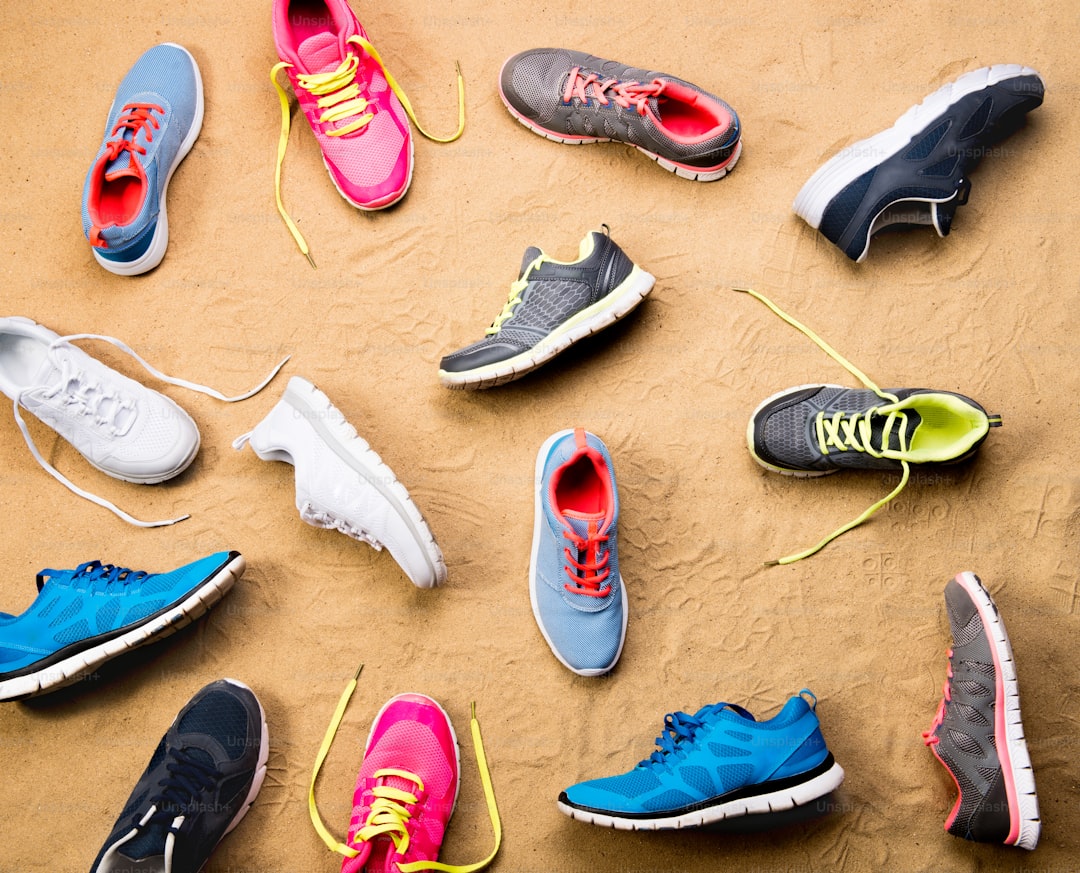
Modern lightweight construction typically relies on engineered mesh or knitted uppers—often branded as Flyknit, Primeknit, or similar proprietary weaves—paired with ultra‑responsive foam midsoles like Pebax‑based compounds or expanded thermoplastic polyurethane. These materials can reduce a single shoe’s weight by three to five ounces compared to traditional builds, a difference that translates into measurable energy savings over a long run or a fast‑break basketball play. The tensile strength of these knits allows for strategic zoning: thin, breathable sections over the forefoot and denser, more supportive weaves around the heel and midfoot. Lacing systems become integrated, with cables or loops woven directly into the fabric, eliminating heavy overlays. The result is a shoe that feels like a second skin, offering near‑barefoot flexibility and an immediacy of step that can improve stride efficiency.
Yet lightweight construction often sacrifices long‑term durability and structural integrity. The same thin knit that breathes so well can tear against abrasive surfaces or snag on debris. The soft, resilient foams that provide sublime initial comfort often compress or lose rebound after a few hundred miles, leading to a deadened ride. Moreover, the lack of rigid heel counters or substantial internal shanks means that runners with overpronation or athletes requiring lateral stability may find lightweight shoes inadequate for their biomechanical needs. The trade‑off is clear: you gain speed and perceived lightness, but you may lose longevity and protective support.
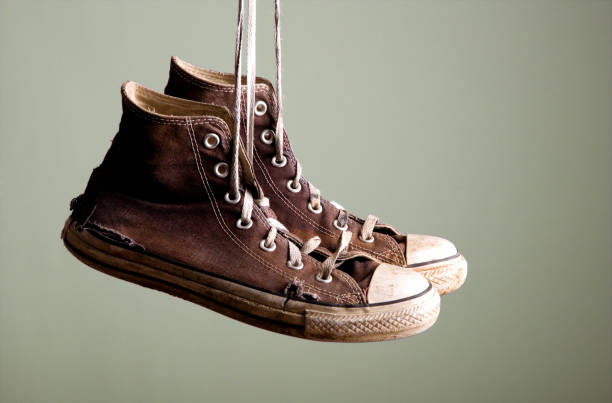
On the other end of the spectrum lies sturdy construction, exemplified by full‑grain leather uppers, reinforced toe caps, thick rubber outsoles with deep treads, and multi‑density midsoles that incorporate firmer foam or plastic support frames. This approach has its roots in classic basketball and hiking sneakers, where the primary goals are impact absorption, ankle stability, and resistance to abrasion. A shoe like the Air Jordan 1 or the Nike Air Force 1, both nearly forty years old, still relies on heavy leather, padded collars, and a full‑length air unit encased in thick rubber. Weighing in at around 500 grams per shoe (versus 250–300 grams for a lightweight runner), these models provide a sense of solidity that inspires confidence during hard cuts and landings.
The durability of sturdy construction is unmatched. Leather, when properly maintained, can last for decades, developing a patina that tells the story of every wear. Outsoles with high‑abrasion rubber can withstand thousands of miles of pavement or hardwood. The stiffer midsoles and heel counters help correct gait issues and reduce fatigue over long sessions of standing or walking. However, this sturdiness comes at a cost: heavy shoes can feel clunky and slow, encouraging a lazy stride or causing unnecessary energy expenditure during explosive movements. They also trap heat and moisture, leading to discomfort in warm conditions.
The modern sneaker industry has attempted to bridge this gap using hybrid approaches. For instance, many performance basketball models now pair a lightweight knit upper with a full‑length carbon fiber plate and a chunky foam midsole, creating a shoe that is both relatively light (around 380 grams) and structurally rigid. Similarly, trail running shoes frequently combine a minimal mesh upper with a thick, aggressive outsole and a rock plate, offering the best of both worlds: breathability up top and protection below. The key insight from weight comparisons is that no single ideal exists; the “best” construction depends entirely on the intended activity, the user’s foot mechanics, and their tolerance for trade‑offs.
For a casual collector or daily wearer, the choice often comes down to aesthetic preference and emotional connection. Lightweight sneakers tend to signal modernity, innovation, and a sporty edge, while sturdy sneakers evoke heritage, craftsmanship, and timelessness. But for the athlete or the serious tester, weight comparisons become a critical tool. A lightweight shoe might shave seconds off a 5K time, while a sturdy shoe might prevent an ankle sprain during a pickup game. Understanding the material science behind each gram helps the sneaker enthusiast make informed decisions—not just about which shoe looks cool, but about which shoe will perform when it counts.
Articles