
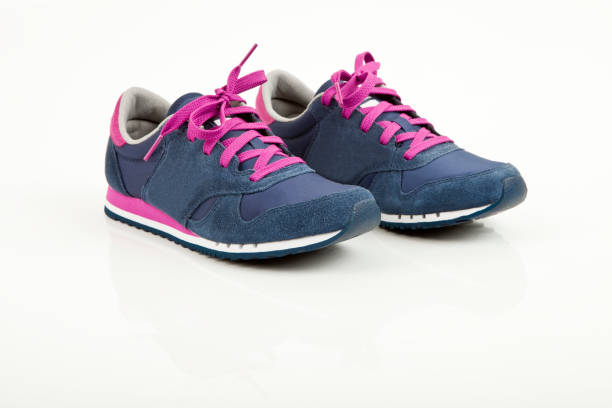
The Biomechanics of Arch Support in Lightweight Walking Shoes

Walking shoes have evolved far beyond simple cushioned soles, with modern engineering focusing on the delicate balance between featherlight construction and structural support. The arch of the foot functions as a natural shock absorber, distributing forces during the gait cycle. When that arch lacks proper support, the entire kinetic chain from ankle to lower back can suffer. Lightweight walking shoes with extra arch support address this challenge by using advanced materials and design principles that mimic the foot’s natural biomechanics without adding unnecessary bulk.
The human foot contains three arches—medial, lateral, and transverse—that work together like a spring. During walking, the foot pronates, rolling inward to absorb impact, then supinates to propel forward. For individuals with flat feet or fallen arches, excessive pronation places strain on the plantar fascia and surrounding tendons. Lightweight walking shoes combat this through targeted arch support that does not rely on heavy plastic shanks or rigid orthotics. Instead, modern shoes employ midsole geometries, such as medial posts or contoured footbeds, that cradle the arch from heel to toe. These features guide the foot into a more neutral alignment without sacrificing the flexibility needed for a natural stride.
Material science plays a critical role in achieving both light weight and robust support. Traditional walking shoes often used dense EVA foam for arch support, which added significant weight. Today’s alternatives include supercritical foams, Pebax-based blends, and dual-density constructions that place firmer foam under the arch while softer foam surrounds the heel and forefoot. This gradient approach provides stability where needed most while allowing the shoe to remain nimble and responsive. Some brands incorporate thin yet strong TPU or carbon fiber plates embedded in the midsole to reinforce the arch region without adding ounces. Such plates prevent the shoe from collapsing under load, essentially acting as an exoskeleton that supports the foot’s natural architecture.
Another innovation is the use of 3D-printed midsoles and lattice structures. By creating hollow, honeycomb-like patterns under the arch, engineers can reduce material volume while maintaining compressive strength. This reduces overall weight by up to thirty percent compared to solid foam. The open structure also allows for greater breathability and flexibility, enabling the shoe to adapt to the unique shape of each wearer’s foot. Several manufacturers now offer customized arch support through heat-moldable insoles or dynamic lacing systems that adjust tension across the midfoot, ensuring the support remains precisely where it is needed throughout the walking stride.
Biomechanical research demonstrates that effective arch support in lightweight shoes can reduce peak plantar pressure by as much as twenty-five percent. This is especially beneficial for conditions like plantar fasciitis, where microtears in the plantar fascia heal poorly under repeated strain. A well-designed arch support elevates the medial longitudinal arch, reducing tension in the fascia and improving shock absorption. Simultaneously, the lightweight nature of the shoe encourages a more efficient gait, as heavier footwear can cause the wearer to alter their stride, often leading to increased impact forces. The combination of light weight and supportive geometry means the foot does not have to work as hard to stabilize itself, reducing fatigue over long walks.
The debate between minimal arch support and maximal structure has long divided shoe designers, but lightweight walking shoes with extra arch support represent a compromise that works for the majority. Minimalist enthusiasts argue that natural foot strength should be developed without interference, yet individuals with structural deficiencies or past injuries often require external support. Extra arch support does not mean a rigid, uncomfortable device. Modern implementations use a transitional design that allows the foot to still flex and move naturally while preventing collapse. The key is that the support must be dynamic—it should respond to the foot’s pressure and motion, not just hold the foot in a static position.
When selecting a lightweight walking shoe with extra arch support, attention should be paid to the shoe’s stability features beyond the arch itself. A wide base, a firm heel counter, and a rocker-shaped sole can complement the arch function by controlling how the foot lands and rolls. Shoes that are too soft in the midsole may cause the arch support to sink into the foam, rendering it ineffective. Conversely, overly rigid shoes can create pressure points. The ideal shoe feels barely perceptible underfoot yet provides a noticeable lift under the arch when the foot bears weight.
Ultimately, the evolution of arch support in lightweight walking shoes reflects a deeper understanding of human movement. By leveraging advanced foams, structural reinforcements, and ergonomic shaping, modern walking shoes achieve what once seemed impossible: delivering the support of a medical orthotic within a shoe that weighs under ten ounces. This development allows people to walk longer distances with less discomfort, whether on city streets, treadmill tracks, or gravel paths. For anyone who relies on their feet for daily activity, investing in a lightweight walking shoe with tailored arch support is not a luxury but a sensible step toward long-term joint health and walking enjoyment.