The Capsule Wardrobe Approach to Sustainable Sneaker Outfits
The sneakerhead community has long celebrated the thrill of the new—the pristine white of a fresh pair of Air Force 1s, the crisp box-opening ritual, the chase for limited releases. Yet as the fashion industry confronts its environmental footprint, a growing number of enthusiasts are discovering that true style does not require constant consumption. The capsule wardrobe philosophy, rooted in intentionality and versatility, offers a powerful framework for building eco-friendly sneaker outfits that honor both personal expression and planetary health. By focusing on a curated collection of timeless pieces, sustainable materials, and thoughtful pairings, any sneaker lover can reduce waste while elevating their daily look.
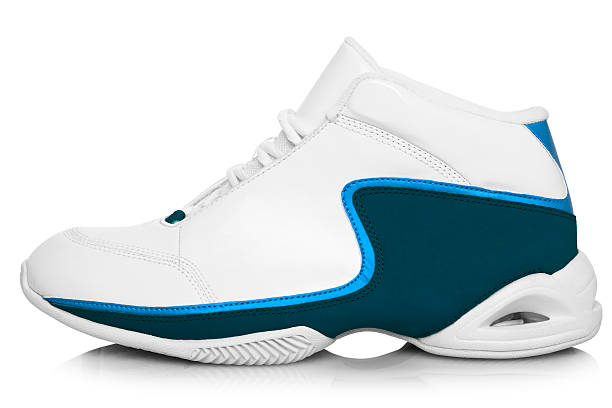
At its core, a capsule wardrobe relies on a limited number of high-quality, interchangeable items that work together seamlessly. For the sneaker enthusiast, this means selecting two or three pairs of ethically produced or secondhand sneakers that anchor an entire season of outfits. Consider a pair of canvas sneakers made from organic cotton and natural rubber, a set of leather sneakers sourced from tanneries with certified water-recycling practices, and a pair of recycled-material runners from a brand committed to circular design. These three options cover casual, smart-casual, and athletic aesthetics without the clutter of twenty rarely worn pairs. Each sneaker becomes a workhorse, proving that sustainability is not about deprivation but about smarter choices.
The foundation of any eco-friendly sneaker outfit begins with the fabric layers above. Instead of buying fast-fashion tops that lose shape after a few washes, invest in staples made from organic linen, hemp, or Tencel. A simple hemp-blend T-shirt in a neutral tone pairs effortlessly with any of the three sneaker options. For cooler weather, a jacket crafted from recycled polyester or responsibly sourced wool adds warmth without compromising ethics. The key is to choose colors that complement each other—earthy greens, muted blues, cream, and black—so that every top can rotate with every bottom. This palette not only simplifies morning decisions but also reduces the urge to buy a new shirt to match a new sneaker drop.
Bottoms carry equal weight in the sustainable equation. Denim, notorious for its high water usage, can be replaced with organic or upcycled denim from brands that prioritize waterless washes. Alternatively, trousers made from recycled cotton or hemp create a polished silhouette that looks intentional rather than thrown together. Cargo pants in organic twill, wide-leg linen trousers, or even tailored shorts from deadstock fabrics all serve as versatile anchors. The sneakers tie the outfit together: organic canvas sneakers lend a relaxed vibe to linen trousers, while recycled-material runners add a sporty edge to upcycled denim. Each combination tells a story of conscious curation.
Accessories complete the capsule without adding waste. A canvas tote bag made from factory offcuts, a belt from a vintage store, and a hat from a brand that uses organic dyes—these small additions reinforce the sustainability theme. The beauty of the capsule method is that accessories can be swapped between outfits without ever feeling repetitive. A single pair of socks made from bamboo fiber works with all three sneaker choices, eliminating the need for specialty socks for each shoe. This minimalist approach extends to care: proper sneaker maintenance—cleaning with eco-friendly products, storing in dust bags, and repairing rather than replacing—ensures that each pair lasts years rather than months.
Beyond the individual wardrobe, the capsule philosophy encourages a shift in mindset. Instead of chasing every new release, the eco-conscious sneakerhead learns to love what they own. When the desire for something new arises, secondhand platforms become the first stop. Vintage sneakers with patina and character carry a unique story that no factory-fresh pair can replicate. Thrifting a pair of classic Adidas or Nike from ten years ago not only saves them from a landfill but also connects the wearer to sneaker history in a deeper way. Pairing those vintage kicks with a modern organic linen outfit creates a juxtaposition that is both stylish and responsible.
The environmental benefits of this approach are tangible. According to the Ellen MacArthur Foundation, the fashion industry produces 92 million tons of textile waste annually. By adopting a capsule wardrobe, an individual can reduce their clothing consumption by up to 70% while maintaining a fresh, curated look. For sneakers specifically, extending the life of a pair by just nine months can reduce its carbon footprint by up to 30%. When every outfit is built around reusable, durable, and ethically made pieces, the cumulative impact becomes significant. The sneaker outfit is no longer just a fashion statement; it is a quiet protest against overconsumption.
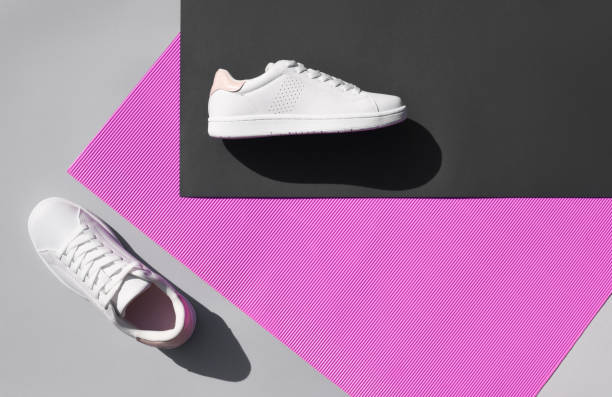
Critics might argue that capsule wardrobes feel restrictive, especially for those who love variety. Yet within a carefully edited collection, creativity actually flourishes. A single pair of white recycled-leather sneakers can appear completely different when styled with olive cargo pants and a linen button-down versus slim-fit organic denim and a hemp hoodie. The constraints force the wearer to experiment with layering, textures, and proportions in ways that a closet full of fast-fashion options never would. The result is a more personal, more intentional style—one that reflects values as much as aesthetics.
For the sneaker enthusiast looking to begin this journey, the first step is a closet audit. Identify the three most worn sneakers and the five clothing items that consistently make you feel confident. Donate or sell everything else, prioritizing local charities or resale platforms. Then, resist the urge to replace immediately. Live with the capsule for a month, noting gaps and desires. When you do add a new piece, ask: Is it made ethically? Can it pair with at least three existing items? Does it serve a genuine need or a fleeting want? Over time, these questions become second nature, transforming shopping from a habit into a deliberate act.
Sustainable fashion does not demand sacrifice; it asks for attention. By embracing the capsule wardrobe approach to sneaker outfits, the modern enthusiast proves that style and responsibility can coexist. Every step in a pair of eco-friendly sneakers becomes a stride toward a better future—one outfit at a time.
Articles