The Chemistry of Sole Yellowing and How to Reverse It
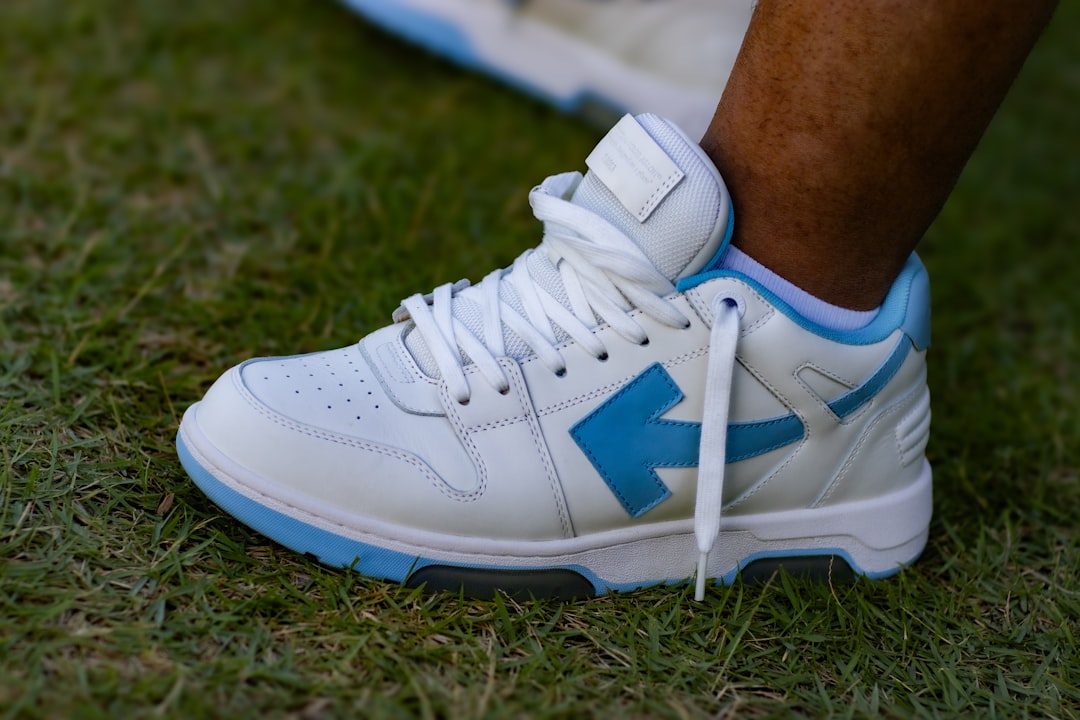
A pristine white sole is one of the most coveted features in sneaker culture, yet it is also the most vulnerable. Over time, even the most carefully stored pairs develop an unappealing yellow or amber tint that compromises their aesthetic value. This phenomenon is not merely surface dirt but a chemical transformation known as oxidative yellowing, and understanding its mechanisms is the key to effective restoration. The discoloration primarily affects polyurethane midsoles and rubber outsoles, two materials that dominate modern sneaker construction. When polyurethane is exposed to ultraviolet light, heat, and oxygen, its polymer chains break down and form chromophores—molecular structures that absorb blue light and reflect yellow. This process is accelerated by humidity and certain cleaning agents that leave behind residues. Rubber outsoles yellow through a similar but distinct pathway involving the degradation of stabilizers and antioxidants embedded in the compound. Once these additives are depleted, the rubber itself begins to oxidize, turning from bright white to a dull, sickly yellow.
The most effective reversal techniques exploit the same chemistry that caused the problem. Photochemical reduction using hydrogen peroxide and ultraviolet light has become the gold standard among sneaker restoration enthusiasts. The method relies on the principle that hydrogen peroxide acts as a strong oxidizing agent under normal conditions, but when catalyzed by UV light, it behaves differently. Ultraviolet energy excites the peroxide molecules, breaking them into hydroxyl radicals that attack the chromophores in the yellowed polymer. These radicals effectively tear apart the molecular bonds responsible for discoloration, converting them back into colorless structures. The process is not instantaneous, but if applied correctly over several hours of direct sunlight or strong UV lamp exposure, it can restore soles to near-original whiteness. The key variable is concentration. Salon-grade hydrogen peroxide creams, typically containing twelve percent hydrogen peroxide in a thick gel base, are preferred because they remain in contact with the sole longer than liquid formulations. Thicker gels also reduce evaporation and minimize the risk of damaging adjacent materials like leather or synthetic uppers.
Temperature plays a critical role in this reaction. Warmth accelerates radical formation and polymer chain mobility, so placing the treated sneaker in a clear plastic bag under midday sun creates a miniature greenhouse effect that speeds up whitening. Yet excessive heat can cause polyurethane to collapse or become brittle, so moderation is essential. A surface temperature of around forty degrees Celsius is optimal. Below that, the reaction proceeds too slowly. Above it, the risk of material degradation increases sharply. Many restorers also incorporate a pre-treatment step involving degreasing and stain removal. Oils from skin contact, silicone-based waterproof sprays, and environmental pollutants can form a barrier that prevents peroxide from reaching the yellowed polymer. A thorough cleaning with isopropyl alcohol or a specialized sole cleaner before application ensures maximum penetration.
Another widely practiced technique is the ice bath method, which is effective for rubber outsoles that have yellowed due to surface-level oxidation rather than deep polymer breakdown. The process involves submerging the sole in a solution of water and oxygen bleach, then freezing it. The rationale is that ice crystals form and expand, mechanically lifting oxidized surface layers away from the rubber. This method is gentler than peroxide treatment and can be repeated without risk of material softening. However, it is less effective for severe, long-term yellowing that has penetrated below the surface. For such cases, combination approaches yield the best results. A restorer might begin with an ice bath to remove loose oxidants, follow with a peroxide and UV session to address deeper chromophores, and finish with a protective coating to shield the sole from future oxidative damage.
Chemical alternatives exist but carry higher risks. Acetone and other solvents can dissolve polyurethane, turning a yellow sole into a sticky mess. Paint-based whiteners merely cover the issue and often crack or yellow themselves within months. The most permanent solutions involve replacing the entire sole unit or applying a clear UV-resistant sealant after restoration. Sealants act as sacrificial barriers, absorbing UV light before it can reach the polymer. Some newer formulations even contain titanium dioxide nanoparticles that scatter UV rays, offering long-term protection without altering the sole’s appearance. For collectors and enthusiasts, the preventive aspect is just as important as the cure. Storing sneakers in dark, cool, dry environments slows oxidation dramatically. Silica gel packs absorb moisture that catalyzes yellowing, while acid-free tissue paper prevents direct contact with acidic shoebox cardboard. Regular light cleaning to remove sweat and dirt also reduces the accumulation of compounds that accelerate polymer degradation.
Understanding the chemistry behind yellowing transforms sneaker care from a guessing game into a precise science. The same oxidative forces that age a sole are also the tools for its rebirth. By harnessing UV light, hydrogen peroxide, and controlled heat, restorers can reverse months or even years of damage in a single afternoon. Yet no method is perfect. Some polyurethane formulations are more resistant to treatment than others, and older soles may have already lost structural integrity. Knowing when to restore versus when to replace is a skill honed through experience. For those who commit to the craft, the reward is not just a whiter sole but a deeper appreciation for the materials that define sneaker design. And in a world where every scuff tells a story, bringing back that original brightness is one of the most satisfying acts of preservation a collector can perform.
Articles