
The Chuck Taylor: From Humble Sneaker to Global Basketball Icon
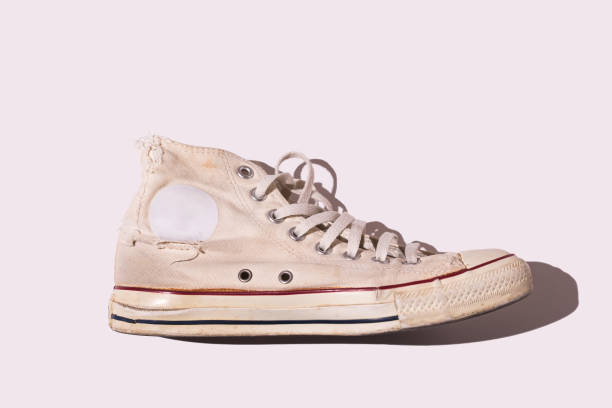
The story of the Chuck Taylor All Star is not merely a tale of footwear; it is a narrative of globalization, cultural exchange, and the democratization of a sport. Long before the era of billion-dollar endorsement deals and technologically advanced sneakers, the Chuck Taylor played a foundational role in international basketball, serving as a universal symbol of the game and a critical tool in its worldwide proliferation throughout the mid-20th century.
Introduced by the Converse Rubber Shoe Company in 1917, the shoe was a practical canvas-and-rubber design that became synonymous with the sport in the United States. Its transformative moment came when a semi-professional player and savvy salesman named Chuck Taylor endorsed the shoe, leading to his signature being added to the ankle patch in 1932. As Taylor traveled across America conducting basketball clinics, he didn’t just promote the game; he promoted the essential gear to play it. This model of evangelism—tying the growth of the sport directly to a specific product—became the blueprint for its international journey. The Chuck Taylor was not just footwear; it was part of a packaged basketball identity exported abroad.
The shoe’s role expanded dramatically on the world’s biggest stage: the Olympic Games. From 1936 through 1968, the Chuck Taylor was the unofficial footwear of the U.S. Olympic basketball team, which dominated competition during that period. As Team USA, clad in their iconic white high-tops, claimed gold medal after gold medal, the image of the sneaker became inextricably linked with victory, excellence, and American basketball prowess. International players and fans saw the Chuck Taylor not just as a shoe, but as a piece of the winning formula. This association provided immense credibility and desirability, making it a coveted item for aspiring players worldwide who dreamed of emulating their Olympic heroes. The sneaker became a tangible connection to the sport’s highest level.
Beyond symbolism, the Chuck Taylor served a profoundly practical function in basketball’s global development. Its simple, durable, and relatively affordable construction made it accessible. In post-war Europe, rebuilding nations, and developing regions, the Chuck Taylor was often the first specialized athletic shoe available. Its low cost and robust design meant that fledgling federations, schools, and local clubs could outfit entire teams without exorbitant expense. This accessibility was crucial. The shoe lowered the barrier to entry, allowing the sport to grow from the grassroots up. Young players from Rome to Manila to Buenos Aires laced up Chucks, and in doing so, they were equipped with the same foundational tool as players in New York or Indiana. It created a common, global experience on the court.
Furthermore, the Chuck Taylor transcended its athletic purpose to become a cultural icon, which in turn reinforced basketball’s cool factor internationally. By the 1950s and 1960s, it was adopted by rebels, rock musicians, and artists, embedding itself in youth culture. This crossover appeal made basketball—and its associated gear—attractive beyond pure sport. The sneaker represented a certain authenticity and rebellious spirit that resonated with young people globally, drawing them to the game through fashion and identity as much as through athletic interest. It became a badge of belonging to a modern, international youth movement.
In conclusion, the Chuck Taylor All Star was far more than a piece of athletic equipment in the story of international basketball. It was an ambassador, a standardizer, and an equalizer. By representing Olympic glory, providing affordable and reliable performance, and evolving into a global cultural symbol, the shoe facilitated the spread of basketball’s language and passion. It helped transform basketball from an American pastime into a worldwide lingua franca, ensuring that for generations, the simple act of lacing up a pair of canvas high-tops was a first step into a global community.
Articles