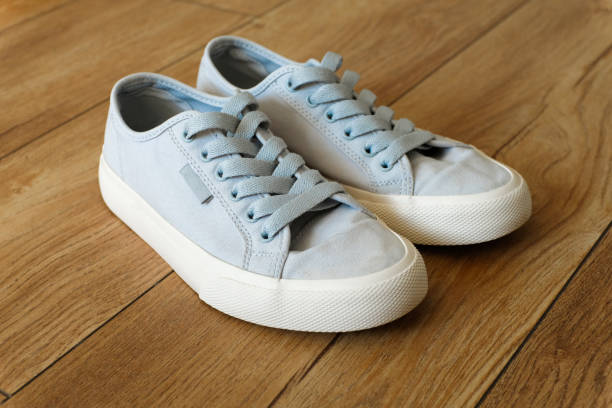
The Collector’s Code: Preserving More Than Just Shoes

For the casual observer, a sneaker collection might appear to be a simple accumulation of stylish footwear, a closet overflowing with colorful rubber and leather. Yet for the seasoned collector, each pair represents a chapter in cultural history, a piece of functional art that demands respect, knowledge, and careful stewardship. Expert collectors, those who have spent decades navigating the murky waters of exclusive drops and vintage marketplaces, understand something that most enthusiasts miss: the true value of a sneaker lies not in its resale price or its Instagram appeal, but in its provenance, its condition, and the story it tells. This philosophy shapes an unwritten code that governs how true collectors approach their passion, a code that is as much about preservation as it is about appreciation.
The most fundamental rule whispered among veteran collectors is that sneakers are living artifacts. Unlike paintings or sculptures, they are designed for motion, for impact, for the friction of daily life. This inherent tension between functionality and preservation creates a unique dilemma. A collector who refuses to wear a rare pair is often accused of hoarding, yet one who wears a three-decade-old Air Jordan to a basketball game is committing a kind of cultural vandalism. The compromise, as many veteran collectors explain, lies in rotation and intention. Wearing a prized pair for a low-impact occasion, such as a dinner or a casual walk, honors its design without accelerating its decay. The key is understanding materials: the yellowing of a polyurethane midsole, the cracking of a patent leather toe cap, the crumbling of a foam outsole. Expert collectors know that some degradation is inevitable, but proper storage, climate control, and gentle use can extend a sneaker’s life by decades. This careful balancing act between enjoyment and preservation is the very heart of the collector’s craft.
Another pillar of the collector’s code is the ethics of acquisition. The modern sneaker market is a battlefield of bots, backdoor deals, and inflated resale prices. Professional collectors, however, often eschew the chaos of release-day madness in favor of patience and relationship building. They speak of the importance of authentic sources, of verifying every detail from the stitching to the box label, and of knowing the difference between a fair market price and outright exploitation. There is a growing movement among veteran collectors to reject the flipper mentality, choosing instead to trade or sell only to those who share their reverence for the object. This ethical stance extends to the preservation of sneaker history itself. Many top collectors maintain meticulous records of their acquisitions, documenting where each pair came from, its original retail price, and its cultural significance. They view themselves not as owners but as temporary custodians of objects that will outlive them, responsible for passing on both the sneaker and its story to the next generation.
Athletes add a unique layer to this collector’s perspective, because they experience sneakers from the inside out. Professional basketball players and runners often have a far more utilitarian view of footwear, yet those who have turned to collecting offer invaluable insight into what makes a shoe worthy of preservation. Many athletes-turned-collectors emphasize that performance technology is disposable but design is eternal. A sneaker that won a championship or set a world record carries a physical energy that transcends its materials. When an athlete like a retired NBA star discusses his collection, he rarely focuses on resale value. Instead, he talks about the feel of a particular cushioning system that changed his game, the grip pattern that saved a crucial play, or the colorway that gave him confidence. For these expert voices, wearing a sneaker is not a violation of collector etiquette but the purest form of respect. They argue that a shoe that never touches pavement is like a racehorse that never runs. This athlete perspective challenges the museum-like approach of some collectors, offering a middle path where performance and preservation can coexist.
Influencers, the third pillar of expert opinion, have transformed how the world sees sneaker collecting, for better and for worse. The most thoughtful influencers understand that their role is not merely to hype the next drop but to educate their audience about heritage. They use their platforms to spotlight obscure archival models, to interview aging designers, and to explain the technological innovations behind seemingly simple shoes. These influencers act as modern-day storytellers, translating the dense history of sneaker culture into digestible narratives for a generation raised on rapid content. They are also advocates for sustainability, urging followers to consider repairing and reusing rather than endlessly consuming. By doing so, they reinforce the collector’s code of stewardship, proving that a passion for sneakers need not be shallow. The most respected influencers, according to veteran collectors, are those who admit what they do not know, who credit their sources, and who treat every pair they feature with a level of reverence that matches the objects themselves.
Ultimately, the collector’s code is not about rules or exclusivity. It is a framework for loving something deeply without destroying it. As one veteran collector put it, you are not the final owner of your sneakers. You are merely a chapter in their long journey. This humility, this sense of being part of a larger continuum, is what separates true collectors from mere consumers. It is what allows a pair of forty-year-old canvas sneakers to tell its story to a child who was born decades after they were made. The code asks that we act not out of greed or impulse, but out of respect for the designers, the athletes, and the countless hands that brought these shoes to life. In doing so, it transforms a personal obsession into an intergenerational responsibility. That is the true secret of the collector’s world: preservation is not a denial of life but an extension of it, a way of ensuring that the vibrant, dynamic history of sneakers continues to unfold for years to come.
Articles