The Comfort Divide: Lifestyle Sneakers vs. Performance Footwear
The quest for the perfect sneaker often leads to a fundamental crossroads: the plush appeal of a lifestyle model versus the engineered support of a performance shoe. While both promise comfort, the nature of that comfort is fundamentally different, shaped by distinct design philosophies, materials, and intended use. Understanding this divide is key to selecting footwear that truly meets one’s needs, as the comfort of a lifestyle sneaker is often one of passive cushioning, while performance sneaker comfort is rooted in active support and dynamic response.
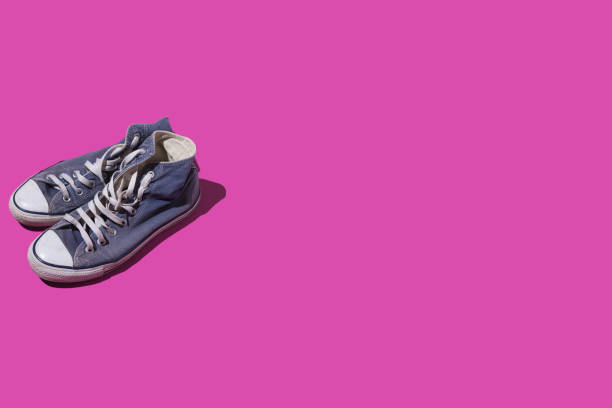
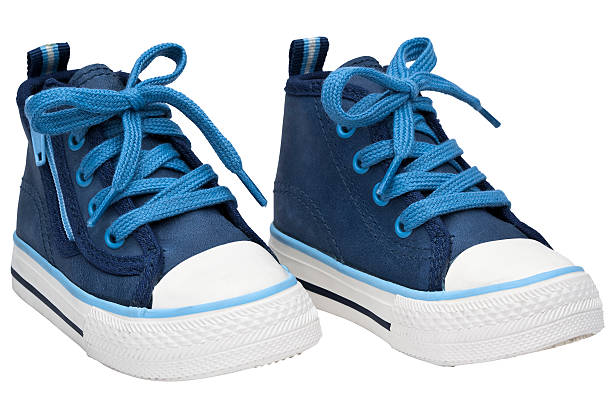
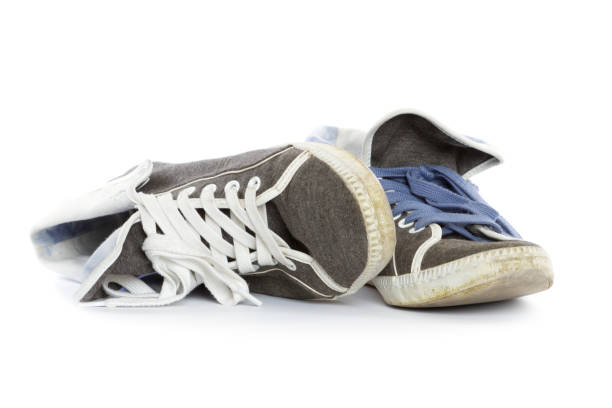
Lifestyle sneakers, encompassing classic silhouettes, retro models, and fashion-forward designs, prioritize comfort primarily for casual wear and all-day standing. Their comfort is typically immediate and sensory, often described as “pillowy” or “cloud-like.“ This is achieved through generous, soft foam midsoles—technologies like memory foam or basic EVA—that provide excellent impact absorption for walking on hard, flat surfaces. The uppers frequently utilize soft suedes, breathable knits, or forgiving leathers that mold to the foot over time, offering a slipper-like fit. The goal is to minimize fatigue during prolonged periods of static standing or light ambulation, making them ideal for urban exploration, office environments, or social gatherings. However, this comfort can be passive and sometimes lacks the structural integrity needed for dynamic movement.
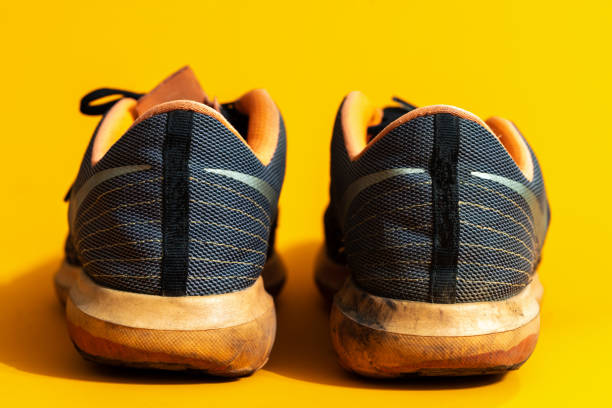
In stark contrast, performance sneakers—designed for running, training, or specific sports—define comfort through biomechanical precision and proactive support. Here, comfort is not a static feeling but a dynamic experience that enables and enhances movement. The cushioning systems, employing advanced foams like Nike’s ZoomX or Adidas’s Boost, are engineered not just for softness but for energy return and stability. They manage impact forces from multiple angles and at higher intensities. The uppers are precisely engineered with zones of lockdown, stretch, and breathability, securing the foot to prevent harmful internal movement that can lead to blisters or injury. Critical features like arch support, heel counters, and torsional rigidity are integral, ensuring the foot is properly aligned and supported through repetitive, high-stress motions. For a runner, the comfort of a performance shoe is the absence of pain, the efficient transfer of energy, and the confidence that the foot is protected during its complex gait cycle.
The difference becomes most apparent when the shoes are used outside their intended context. A lifestyle sneaker used for a long run may initially feel soft but will likely lead to arch fatigue, inadequate heel stability, and potential discomfort due to its lack of specialized support. Conversely, a stiff, carbon-plated running shoe worn for a full day of walking and standing can feel overly aggressive, rigid, and unnecessarily supportive, potentially causing discomfort from its relentless focus on propulsion rather than all-day plushness. The fit also diverges; performance models often recommend a thumb’s width of space at the toe to allow for foot swell during activity, while lifestyle fits may be more aligned with everyday shoe expectations.
Ultimately, the comfort rating is subjective and deeply tied to activity. The plush, forgiving comfort of a lifestyle sneaker scores highly for leisure and style-conscious wear, offering a retreat for the feet. The structured, responsive comfort of a performance sneaker scores highly for athletic pursuit, where it functions as essential equipment. One is an experience of relaxation; the other is an experience of enablement. Therefore, they are not merely different on a spectrum but are different in kind. Recognizing this distinction moves the conversation beyond a simple comfort ranking and into a more nuanced understanding of design purpose. The most informed choice comes from aligning the shoe’s engineered strengths with the demands of one’s daily life, whether that demands the serene comfort of a cushion or the empowering comfort of a tool built for motion.
Articles