
The Converse Chuck Taylor All Star: A Century of Unstoppable Style
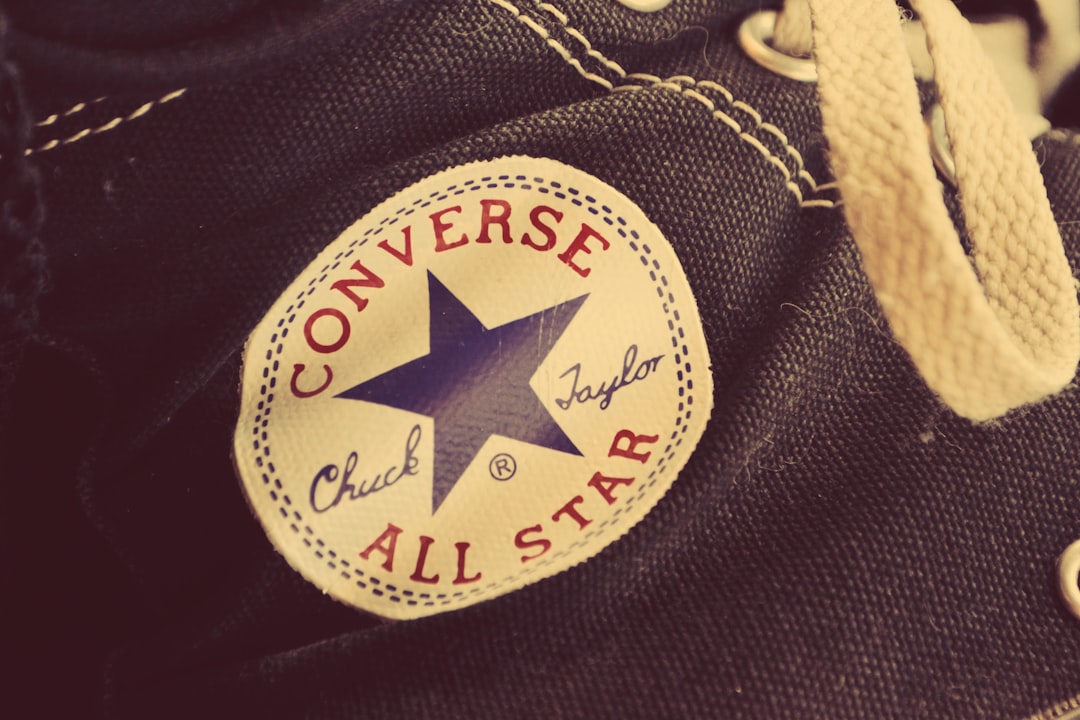
Few artifacts of American culture have endured as seamlessly as the Converse Chuck Taylor All Star. Born in 1917 as the Converse All Star basketball shoe, it was originally designed for the hardwood, a functional piece of athletic equipment meant to provide grip and ankle support. Within a decade, a semi-professional basketball player named Charles “Chuck” Taylor became a traveling salesman for the brand, evangelizing the shoe’s merits and suggesting improvements that eventually led to the iconic star-and-stripe ankle patch. In 1932, the company honored him by adding his signature to that patch, and the Chuck Taylor All Star was officially christened. What began as a sports necessity has since transcended its original purpose to become a universal symbol of rebellion, creativity, and timeless simplicity.
The shoe’s journey from court to street is a story of cultural osmosis. Throughout the mid-twentieth century, the Chuck Taylor was the default basketball shoe—worn by Olympic teams, professional players, and high school athletes alike. But as synthetic performance sneakers emerged in the 1970s, the All Star’s rubber sole and canvas upper lost their athletic edge. Instead of fading into obscurity, the shoe found a new home off the court. Subcultures hungry for authenticity adopted the Chuck Taylor as a uniform of defiance. Punk rockers in London and New York laced up black high-tops with ripped jeans and leather jackets, valuing the shoe’s affordability and its blank canvas for self-expression. The irony was not lost: a former sports shoe became the footwear of anti-establishment movements, its simplicity making it the perfect accessory for anyone who wanted to reject glossy consumerism.
The 1980s and 1990s saw the Chuck Taylor cement its status as a wardrobe staple across genres. Grunge musicians wore battered, paint-splattered pairs. Skateboarders appreciated the flat sole for board feel, even though the shoe offered little protection. Artists and writers gravitated toward its unpretentious lines. The All Star became a genderless, ageless, and classless icon—a shoe that could be worn with a tuxedo or shorts, in a boardroom or a mosh pit. Its design remained virtually unchanged for decades, a deliberate choice by Converse that preserved the model’s heritage. While rival brands churned out ever more complex sneaker technologies, the Chuck Taylor stayed resolutely analog, proving that style does not require innovation when an original is already perfect.
A significant chapter in the shoe’s history unfolded in the 2000s, when Nike acquired Converse in 2003. Purists feared corporate homogenization, but the acquisition instead injected fresh energy into the brand. Collaborations with high-fashion designers, artists, and musicians multiplied. The Chuck Taylor suddenly appeared on runways in Paris and in limited-edition drops that commanded premium prices. Yet the core model remained accessible, available in nearly every country at a relatively low cost. This duality—cheap enough for a teenager, cool enough for a celebrity—is the secret to its longevity. The Chuck Taylor is simultaneously democratic and aspirational, a sneaker that connects a basketball player from the 1920s to a street-style influencer from the 2020s.
Today, the Chuck Taylor All Star continues to evolve without losing its soul. Converse has introduced modern comfort features like Nike’s Lunarlon insoles and stretch canvas, acknowledging that consumers desire longevity without sacrificing look. The silhouette has been reinterpreted in leather, denim, and even sustainable materials, yet the classic black high-top and white low-top remain bestsellers. Its presence in the Sneaker Hall of Fame is undisputed, not because it was the fastest, lightest, or most technologically advanced shoe, but because it became the most human. The scuffs and creases on a pair of Chucks tell stories—first dates, concerts, road trips, and quiet afternoons.
A century after its birth, the Converse Chuck Taylor All Star stands as a monument to the power of simplicity. It has outlived trends, wars, economic shifts, and the entire rise and fall of countless other sneaker models. Its canvas and rubber have absorbed the weight of a century of style, rebellion, and everyday life. In a world obsessed with the new, the Chuck Taylor reminds us that some things are best left unchanged—or at least, changed only enough to keep walking into the future. Whether laced tight for a vintage vibe or left loose for a relaxed silhouette, the All Star endures as the most democratic sneaker ever made, a true hall of famer that belongs to everyone.
Articles