The Critical Insights Gained from a Six-Month Wear Test

In the competitive landscape of product development, particularly for items designed for daily use, laboratory simulations can only reveal so much. To truly understand how a product will perform in the hands of a consumer over time, companies turn to the rigorous and revealing process of a six-month wear test. This extended real-world evaluation goes far beyond a simple quality check, examining a holistic range of key areas that collectively define a product’s durability, comfort, and long-term value. The insights gleaned from such a test are invaluable, bridging the gap between theoretical design and practical, everyday use.
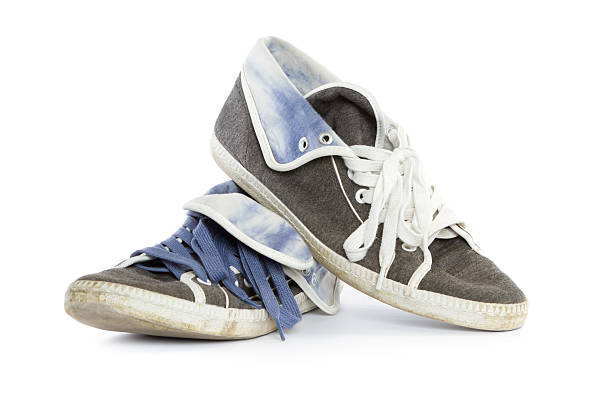
At the forefront of any wear test is the comprehensive assessment of material durability and integrity. Over six months of simulated or actual use, testers scrutinize how materials withstand repeated stress, abrasion, and environmental exposure. For apparel, this means examining fabric for pilling, fading, thinning, or tearing at high-friction areas like elbows, knees, and seams. For footwear, the focus shifts to outsole wear patterns, midsole compression, and upper material creasing or cracking. In durable goods, such as bags or tools, the integrity of stitches, adhesives, and coatings is meticulously monitored. This prolonged period allows for the identification of not just catastrophic failure, but the gradual degradation that defines a product’s lifespan, ensuring that materials age gracefully rather than deteriorate prematurely.
Closely linked to material durability is the evaluation of structural and functional performance. A six-month test is sufficient time for the underlying architecture of a product to reveal its strengths and weaknesses. In footwear, this involves assessing whether the support structure, such as a shank or heel counter, maintains its rigidity and shape, or if it breaks down and leads to instability. For technical apparel, the consistency of waterproof membranes or insulation after numerous wash cycles is critical. Zippers, buckles, Velcro, and other closures are tested for repeated functionality—does the zipper still glide smoothly after hundreds of cycles? Does the Velcro maintain its grip? This extended timeframe ensures that even infrequent but critical failure points are identified before mass production.
Perhaps the most subjective yet vital area examined is long-term comfort and fit. Initial comfort can be deceptive; a shoe or garment may feel perfect in a store but become problematic after weeks of wear. A six-month test tracks how the product conforms to the human body over time. Does the footwear’s upper material stretch excessively, altering the fit? Does the insole retain its cushioning, or does it compact into a hard, unforgiving slab? For clothing, does the fabric relax appropriately, or does it sag and lose its intended silhouette? Testers provide continuous feedback on pressure points, chafing, and overall wearability, ensuring that the product adapts to the user comfortably throughout its usable life.
Finally, a robust wear test dedicates significant attention to aesthetic retention and care maintenance. This examines how the product’s appearance holds up under real-world conditions and cleaning regimens. It answers questions about colorfastness when exposed to sweat, sunlight, and repeated washing. It evaluates whether logos, prints, or bonded elements peel or crack. The test also validates care instructions; for instance, does machine washing as recommended truly preserve the garment’s properties, or does it cause unintended damage? This area is crucial for brand reputation, as consumers equate maintained appearance with quality and are often dissatisfied with products that look prematurely old or worn out.
In conclusion, a six-month wear test is an indispensable phase in product development, serving as a crucible that reveals truths no accelerated lab test can fully replicate. By meticulously examining material durability, structural integrity, evolving comfort, and aesthetic retention, manufacturers gain a profound, holistic understanding of their product’s real-world behavior. This process ultimately leads to superior, more reliable products that build consumer trust and brand loyalty, ensuring that what leaves the drawing board not only functions on day one but continues to perform and satisfy throughout its intended life.
Articles