The Critical Role of Lateral Support in Tennis Shoes for Court Performance

In the high-stakes world of court sports, where victory hinges on split-second reactions and explosive changes of direction, the tennis shoe is not merely footwear—it is foundational equipment. At the heart of its design lies a non-negotiable feature: lateral support. This engineering principle is what separates a true performance tennis shoe from casual sneakers and is the unsung hero enabling the lightning-quick cuts, slides, and pivots that define the game. For the dedicated athlete and the informed sneaker enthusiast, understanding this element is crucial to selecting the right tool for the task.
Lateral support refers to the shoe’s structural ability to stabilize the foot during side-to-side movements. On a tennis court, forward motion is just one component; the majority of play involves aggressive lateral pushes off the inside and outside edges of the foot. Without adequate support, the foot can roll or slide within the shoe, leading to inefficient energy transfer, a loss of traction, and a significantly increased risk of injury, particularly to the ankles. A shoe built for this environment acts as a stabilizing exoskeleton, anchoring the foot to allow the athlete to channel all their power into the court surface with confidence.
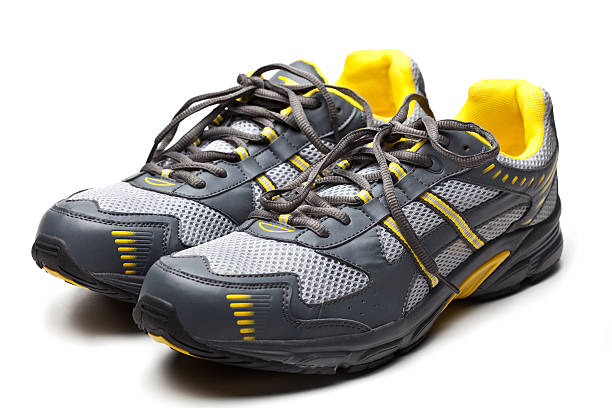
The architecture of lateral support is multi-faceted. It begins with the upper construction. Performance tennis shoes often utilize durable, molded synthetic materials or reinforced mesh that are strategically welded or stitched to create a supportive cage around the midfoot. This “midfoot saddle” or external support cage is a common sight on court-specific models, designed to lock the foot down without compromising necessary flexibility at the toe. The collar and heel counter are also fortified, providing a secure, padded fit around the ankle to prevent heel slippage and add stability upon impact.
Beneath the foot, the midsole and outsole work in concert to complete the support system. The midsole foam, while providing cushioning for constant jumping and pounding, is also tuned for stability, often featuring a wider platform in the forefoot to create a broader base. The most critical component, however, is the outsole. A non-marking rubber compound offers the essential grip, but the pattern and herringbone tread are engineered for multi-directional traction. Furthermore, many high-performance tennis shoes incorporate a “outrigger” or a widened lateral sole element. This is a pronounced flare on the outside of the forefoot that physically prevents the shoe from rolling over during extreme lateral cuts, effectively increasing the shoe’s footprint and stability at the moment of greatest stress.
For the sneaker passionate at Sneakerholic, recognizing these features is key to dissecting the performance pedigree of any court shoe. Iconic Hall of Fame models from brands like Nike, adidas, and ASICS have built their legacies on evolving these very technologies. The classic Nike Air Tech Challenge, the adidas Barricade line known for its legendary durability and support, and the ASICS Gel-Resolution series famed for its balanced stability—all serve as masterclasses in lateral support implementation. Their designs are direct responses to the biomechanical demands of the sport, not fashion trends.
Ultimately, lateral support is the defining characteristic of a serious tennis shoe. It is a synthesis of materials science and biomechanical understanding, creating a platform where athleticism can operate without restraint. Whether you are a competitive player seeking every advantage or a collector appreciating the engineering marvel of performance footwear, the value of this feature is absolute. In the relentless, side-to-side battle on the court, the right shoe does not just protect; it empowers, and it all starts with a foundation built to hold the line.
Articles