The Critical Threshold: Identifying When Your Sneakers Need Professional Restoration
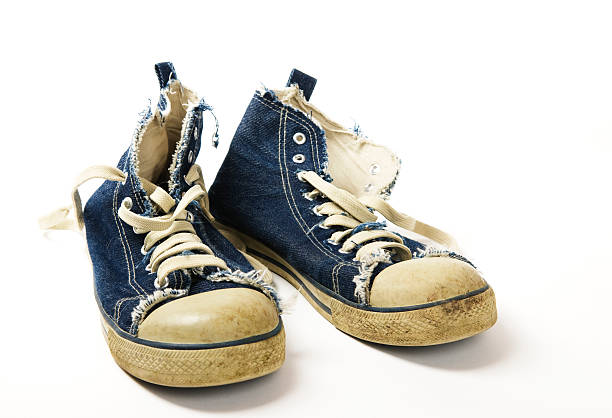
Every sneaker enthusiast eventually faces the moment of truth: a beloved pair starts showing signs of wear that go beyond normal scuffs and creases. The decision to attempt a home repair or send the sneakers to a professional restorer can make the difference between a revival and a ruin. Understanding where that threshold lies requires a clear-eyed assessment of the damage, the materials involved, and the long-term value of the shoe. Professional restoration is not just about convenience; it is often the only safe path when certain structural or cosmetic issues arise.
The most obvious signal that a sneaker needs professional attention is sole separation. When the outsole begins to detach from the midsole, or when the midsole itself starts crumbling, DIY adhesives rarely provide a lasting fix. Consumer-grade glues lack the flexibility and bonding strength required to withstand the torsion and pressure of walking. A professional restorer uses industrial-strength cements and clamping techniques that recreate the original factory bond. Attempting to reglue a sole at home often results in a messy, uneven application that leaves visible residue and weak spots. Worse, some hobbyists unwittingly use solvent-based glues that further degrade the foam midsole, accelerating the deterioration. If the separation covers more than a few centimeters or involves the heel area, it is time to send the sneakers out.
Another critical scenario involves midsole oxidation and crumbling. Polyurethane midsoles, common in retro Jordan and Nike models from the 1990s and early 2000s, are prone to hydrolysis over time. This chemical breakdown turns the foam into a sticky, crumbly mess. While some online tutorials suggest filling gaps with silicone or applying clear coat, these are temporary band-aids that often trap moisture and worsen the decay. Professional restorers have access to replacement midsoles, either from donor pairs or through aftermarket casting. They can also perform a full sole swap, a delicate procedure that requires removing the original midsole, cleaning the upper, and attaching a fresh midsole with precise alignment. Without professional tools and experience, a sole swap quickly becomes a botched job that destroys the sneaker’s silhouette and comfort.
Deep scuffs and gouges in leather or synthetic materials also warrant professional intervention. Surface scratches can be buffed out with conditioning creams, but when the damage penetrates the top finish, color loss occurs. DIY attempts to repaint scuffed areas often result in mismatched shades, visible brush strokes, or paint that flakes off after a few wears. Professional restorers use airbrushes and automotive-grade paints that are matched to the exact factory color code. They also apply sealants that protect the repaired area from future abrasion. Moreover, if the scuff has torn the material or exposed the foam padding underneath, stitching or patching is required. Hand-sewing a torn quarter panel or a ripped mudguard demands specialized needles, threads, and techniques that are not part of a typical home repair kit.
Chemical damage presents another clear boundary. Bleach stains, acetone spills, or harsh cleaning agents can discolor suede, nubuck, or mesh irreversibly. Many sneaker owners try to cover such stains with markers or leather dyes, but these products often react unpredictably with the original finish, creating blotches that are worse than the initial damage. Professional restoration includes dye stripping and re-dyeing processes that restore uniform color. For suede and nubuck, professionals use specialized oils and brushes to nap the material evenly, blending in the repaired area. Attempting to fix a bleach spot on an Air Jordan 3 elephant print, for example, is virtually impossible without a professional airbrush setup and experience with multi-textured surfaces.
Water damage and mold growth are also best left to experts. If a sneaker has been soaked and developed mildew or a musty odor, home remedies like baking soda or vinegar can sometimes help, but they often fail to address deep microbial growth inside the foam and lining. Professionals use ozone chambers, UV sterilization, and enzymatic cleaners that kill mold without degrading the materials. They can also disassemble the sneaker, treat each component separately, and reassemble it. This level of intervention is necessary for vintage pairs or limited editions that would be ruined by aggressive home bleaching.
Finally, consider the sneaker’s value. A general rule of thumb: if the shoe is a rare or collectible model with significant resale or sentimental value, any repair that compromises its originality should be avoided. Professional restorers preserve the patina and character while addressing structural issues. They can also provide documentation and receipts that increase trust in the authenticity of the restored pair. Conversely, sneakers that are everyday beaters with little monetary worth may be fine for home repair experiments, provided the owner accepts the risk.
The decision to send out for repairs ultimately hinges on recognizing the limits of DIY capability. Adhesive work on small sole separations, light surface scuffs, and simple lace replacements are within reach of a careful home enthusiast. But once the damage penetrates beyond the surface, once materials begin to crumble, or once the structural integrity of the shoe is compromised, the line is crossed. Professional restoration is an investment in the longevity and authenticity of the sneaker. Knowing when to step back and let a specialist take over is the mark of a true collector, one who understands that some repairs are best left to the experts.
Articles