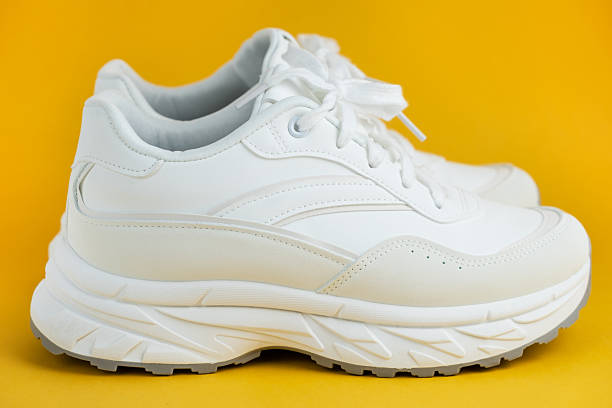
The Cultural Footprint of Canvas Sneakers: More Than Just Warm Weather Footwear
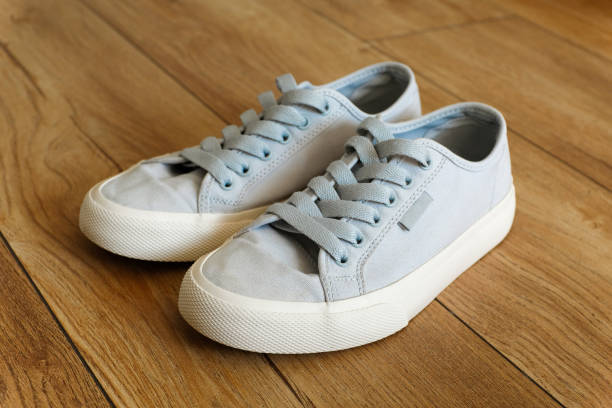
Canvas sneakers have long been dismissed as simple, utilitarian footwear suited primarily for warm weather and casual outings. Yet beneath their humble cotton facade lies a rich tapestry of cultural significance, technological adaptation, and enduring style that transcends seasonal boundaries. These breathable classics have walked through revolutions, graced basketball courts, and become canvases for artistic expression, proving that their lightweight construction carries a weight far greater than their physical form would suggest.
The story of the canvas sneaker begins in the nineteenth century, when rubber vulcanization made it possible to bond a flexible cotton upper to a durable rubber sole. Early iterations were marketed as sporting shoes, designed for lawn tennis and croquet—activities that demanded comfort and grip without the stiffness of leather. But the turning point came in 1917 when the Converse All Star appeared, a shoe that would become synonymous with basketball. Chuck Taylor, a salesman and player, lent his name to the design, and the canvas high-top became the official shoe of the American Basketball League. What started as a functional piece of athletic equipment quickly morphed into a symbol of rebellion, adopted by nonconformists from James Dean to the punk rockers of the 1970s.
The cultural pivot of canvas sneakers from sport to street is perhaps their most remarkable transformation. During the mid-twentieth century, the canvas sneaker shed its exclusively athletic identity and became a uniform for youth counterculture. In the 1950s, teenagers wore them to defy the polished formality of their parents’ generation. In the 1960s and 1970s, the canvas sneaker became a staple of the burgeoning skateboarding scene, prized for its flat sole and board feel. The Vans Authentic, introduced in 1966, became the unofficial shoe of Southern California skaters, its canvas upper absorbing the wear and tear of concrete parks while offering a grip that leather could not match. This shift cemented the canvas sneaker as a symbol of authenticity and grassroots creativity.
Today, canvas sneakers continue to evolve, adapting to modern demands for sustainability, customization, and style. Brands now produce canvas uppers from organic cotton, recycled plastics, and even hemp, appealing to environmentally conscious consumers who seek a lighter ecological footprint. The breathable nature of canvas remains a key selling point for warm weather wear, but modern innovations like moisture-wicking linings and cushioned insoles have extended their usability into three-season wardrobes. Designers have also elevated the canvas sneaker into high fashion, collaborating with artists and luxury houses to create limited-edition releases that sell for hundreds of dollars. The humble sneaker has become a collector’s item, a blank slate for self-expression where every scuff and stain tells a story.
The role of canvas sneakers in contemporary sneaker culture cannot be overstated. While leather and synthetic performance shoes dominate the competitive athletic sector, canvas sneakers occupy a unique niche as lifestyle footwear. They are accessible, affordable, and democratic—anyone can wear them regardless of age, gender, or background. Their flat, unassuming silhouette provides a neutral backdrop that complements everything from jeans to tailored trousers, from sundresses to suits. The simplicity of canvas allows the wearer’s personality to shine through, whether through custom painted designs, colorful laces, or the natural patina of wear.
Care and maintenance of canvas sneakers have also become part of the culture. Unlike leather, which requires conditioning and polishing, canvas can be washed, bleached, and even tie-dyed. Enthusiasts share tips on how to remove yellowing, restore elasticity to the rubber soles, and preserve the shape of the shoe using shoe trees. This hands-on approach fosters a deeper connection between owner and footwear, transforming a disposable commodity into a cherished companion. For collectors, vintage canvas sneakers hold a particular allure—each worn pair carries the imprint of its previous life, a tangible history of steps taken and miles traveled.
In the broader context of sneaker history, canvas sneakers represent the foundation upon which the entire industry was built. They were the original performance shoe, the first wearable sneaker, and the prototype for every innovation that followed. While modern technology has produced lighter, more responsive materials, canvas remains a testament to the power of simplicity. It is a fabric that breathes, flexes, and ages gracefully, absorbing the environment around it without pretense. In an era of hyper-engineered footwear, the canvas sneaker stands as a reminder that sometimes the best design is the one that gets out of your way.
The canvas sneaker’s journey from warm-weather afterthought to cultural icon is a story of resilience and reinvention. It has danced through decades of change, worn by athletes, artists, rebels, and everyday people who simply wanted a comfortable, honest shoe. As long as there are feet that need to walk, boards that need to be ridden, and self-expression that needs a canvas, the humble cotton sneaker will remain an essential part of our collective wardrobe. It is breathable, yes, but more than that, it is timeless.
Articles