
The Cultural Footprint: What Makes the USA Sneaker Scene Distinct
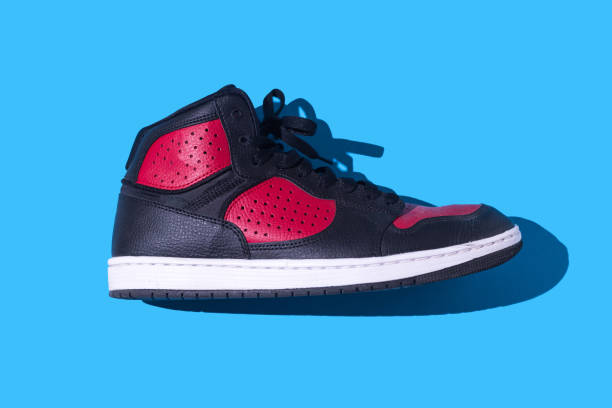
The global sneaker phenomenon may have roots that stretch across continents, but the scene in the United States has cultivated a distinct identity, one that is inextricably woven into the nation’s social, racial, and economic fabric. What sets the American sneaker culture apart is not merely its scale or commercial power, but its profound evolution from athletic utility to a potent form of cultural currency, driven by a unique alchemy of sports marketing, hip-hop influence, and street-level storytelling. This transformation has created a landscape where sneakers are more than footwear; they are wearable archives of American history and identity.
The foundation of this distinct scene is undeniably built on the monumental pillars of American sports marketing, particularly the NBA. The 1985 release of the Air Jordan 1, famously banned by the league for violating uniform codes, was a masterstroke that set the template. Nike’s partnership with Michael Jordan did not just sell a performance shoe; it sold a narrative of rebellion, excellence, and individual flair. This established a blueprint where sneakers became tied to the personas of iconic athletes, transforming them into vessels for aspiration. The American scene is uniquely dominated by these athlete-driven signatures, from basketball legends to tennis stars, creating a continuous cycle of nostalgia and innovation that fuels collector mania. The limited-edition drop model, perfected in American malls and later online, turned release days into events, fostering a culture of anticipation and exclusivity that is now emulated worldwide.
However, to attribute the scene solely to corporate strategy would miss its vital, organic heart. The true distinctiveness of the American sneaker scene emerged from the streets, most powerfully through hip-hop culture. In the 1980s and 90s, artists from Run-D.M.C. and their iconic Adidas Shell Toes to Jay-Z and his Rocawear Nike collaborations, used sneakers as a key element of their aesthetic—a symbol of authenticity, success, and community identity. Hip-hop didn’t just adopt sneakers; it recontextualized them. Wearing crisp, high-top basketball shoes with streetwear was a declaration of self, bridging the worlds of sport and urban expression. This street-level endorsement provided an authenticity that no advertisement could buy, ensuring that sneaker culture remained rooted in real communities rather than just boardrooms. The dialogue between the brands and the streets became a feedback loop, with brands often taking cues from how wearers customized and styled their kicks.
This history has culminated in a contemporary American scene characterized by its intense focus on storytelling and resale economics. American sneakerheads are often connoisseurs of narrative, valuing the “why” behind a shoe—the athlete’s career-defining moment, the designer’s inspiration, its cameo in a music video, or its connection to a specific city. Furthermore, the U.S. gave birth to the sophisticated resale market, with platforms like StockX and Stadium Goods formalizing what once happened on playgrounds and in flea markets. This legitimized sneaker collecting as a hybrid of passion and investment, creating a dynamic economy where cultural cachet is directly quantifiable. The scene is also distinct in its regional pride, with cities like New York, Los Angeles, and Chicago boasting their own sneaker identities and histories, further decentralizing the culture and adding layers of local flavor.
Ultimately, the U.S. sneaker scene is distinct because it serves as a vibrant, ongoing dialogue between high and low culture. It is where corporate boardrooms and street corners meet, where athletic history intersects with musical revolution, and where personal identity is laced up every morning. It is a culture born from American capitalism, yet refined by community and subversion—a complex, living archive where every scuff, crease, and rare box tells a part of a larger American story. The sneaker is not just a product in the U.S.; it is a canvas upon which the nation’s triumphs, struggles, and relentless reinvention are continuously painted.
Articles