
The Data-Driven Game: Mastering Resale Market Insights for Profit and Passion
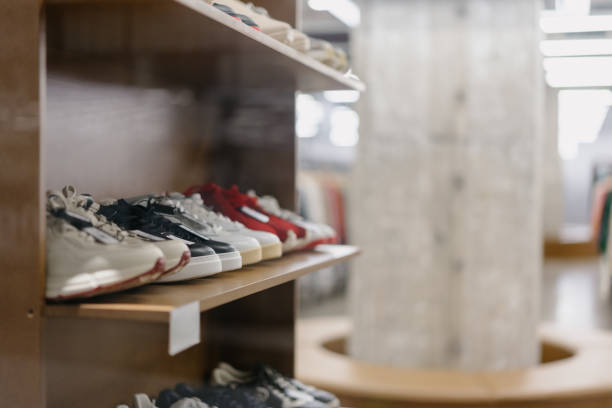
The sneaker resale market is no longer a shadowy back-alley exchange; it is a multi-billion dollar, data-fueled ecosystem. For the modern collector, understanding price tracking and market trends is not just about making a quick profit—it is an essential skill for navigating the culture, securing grails, and participating intelligently in the community. This is where passion meets pragmatics, and intuition is validated by analytics.
At its core, successful engagement with the resale market hinges on consistent price tracking. Static retail prices are a distant memory in this arena. The value of a sneaker is a living, breathing metric that fluctuates based on a complex algorithm of supply, demand, hype, and cultural relevance. Platforms like StockX and GOAT have formalized this, creating transparent marketplaces with historical price charts that serve as the Bloomberg terminals of sneaker culture. The serious collector monitors these charts not daily, but often hourly around key moments: release drops, celebrity sightings, brand announcements, or seasonal shifts. Observing the price trajectory of a newly released Jordan retro, for instance—whether it spikes and holds, spikes and crashes, or steadily climbs—provides critical insight into its long-term market position and desirability.
Identifying broader trends requires moving beyond individual pairs to analyze category-wide movements. This is where macro-level insights separate casual sellers from savvy market participants. One dominant trend is the sustained premium on collaboration models. A standard Nike Dunk may sit near retail, but a Travis Scott or a Supreme collaboration commands exponential multipliers. This underscores a fundamental market truth: scarcity plus cultural clout equals value. Another observable trend is the “vintage revival,“ where older, often overlooked models from the late 90s or early 2000s experience sudden surges in value as nostalgia cycles influence a new generation of buyers. Furthermore, the market has shown a pronounced shift towards “ready-to-wear” luxury and designer sneakers from brands like Balenciaga or Dior, reflecting a broader fashion convergence and expanding the definition of a collectible sneaker.
This analytical approach directly fuels and refines collector culture. It transforms the hunt from a game of chance to one of strategy. Enthusiasts use trend data to inform their retail raffle entries, knowing which releases have the highest resale potential to fund their personal collection. It allows collectors to identify buying opportunities, recognizing when a temporarily undervalued classic is poised for a rebound. This knowledge fosters a more informed and confident community, where discussions move beyond “what’s hot” to “why it’s hot” and “how long it will stay hot.“
Ultimately, mastering resale insights is about empowerment within the sneaker ecosystem. It protects buyers from overpaying during artificial hype cycles and helps sellers understand the optimal moment to list. For Sneakerholic’s audience, this data is a crucial tool. It connects the dots between a brand’s history, the cultural moment captured by a Hall of Fame model, and its tangible market valuation. The community thrives not on ignorance, but on shared knowledge. In today’s market, your greatest asset isn’t just a deep wallet; it’s a deep understanding of the numbers behind the kicks. The passion for the design and history starts the journey, but a firm grasp on resale realities ensures you can stay in the game.
Articles