The Definitive Guide to Conquering Winter’s Salt Stains

As winter tightens its grip, our roads and sidewalks become canvases for a necessary evil: road salt. While it grants us safer passage, it leaves behind a trail of destruction in the form of stubborn, crusty white stains on everything from boots and hems to car paint and floorboards. Tackling these mineral deposits is not merely a cosmetic concern; it is a crucial act of preservation. The most effective strategy is a proactive, multi-layered approach that prioritizes prevention, understands the enemy, and employs timely, gentle remediation.
The cornerstone of any defense against salt damage is the simple yet powerful practice of prevention. Before venturing out on treated surfaces, applying a protective barrier can create an invaluable shield. For footwear, a quality waterproofing spray designed for the material—be it leather, suede, or synthetic—fills the pores and creates a surface that repels moisture and salt. For vehicles, a fresh coat of wax or a modern ceramic sealant before the first snowfall provides a slick, hydrophobic layer that makes it significantly harder for salt brine to bond to the paint. Similarly, doormats play a heroic role; a coarse scraper mat outside and a absorbent fabric mat inside form a two-stage trap for salt-laden slush before it ever crosses your threshold. This mindful interception eliminates the majority of potential staining before it begins.
However, even the best defenses can be breached, making prompt action the second critical pillar of salt stain management. Salt does its damage not as a pure substance, but as a corrosive solution. When snow and ice melt on your boots or car, they dissolve the salt, allowing the brine to seep into tiny pores and seams. As this moisture evaporates, it leaves behind concentrated, crystalline deposits that can dehydrate leather, etch paint, and degrade fabrics. Therefore, the golden rule is to never let the salt residue dry. Upon returning home, immediately wipe down footwear with a damp cloth to dissolve and lift away fresh salt. For vehicles, regular visits to a touchless car wash that features an undercarriage rinse are non-negotiable during winter, physically flushing away salt before it has time to accelerate rust.
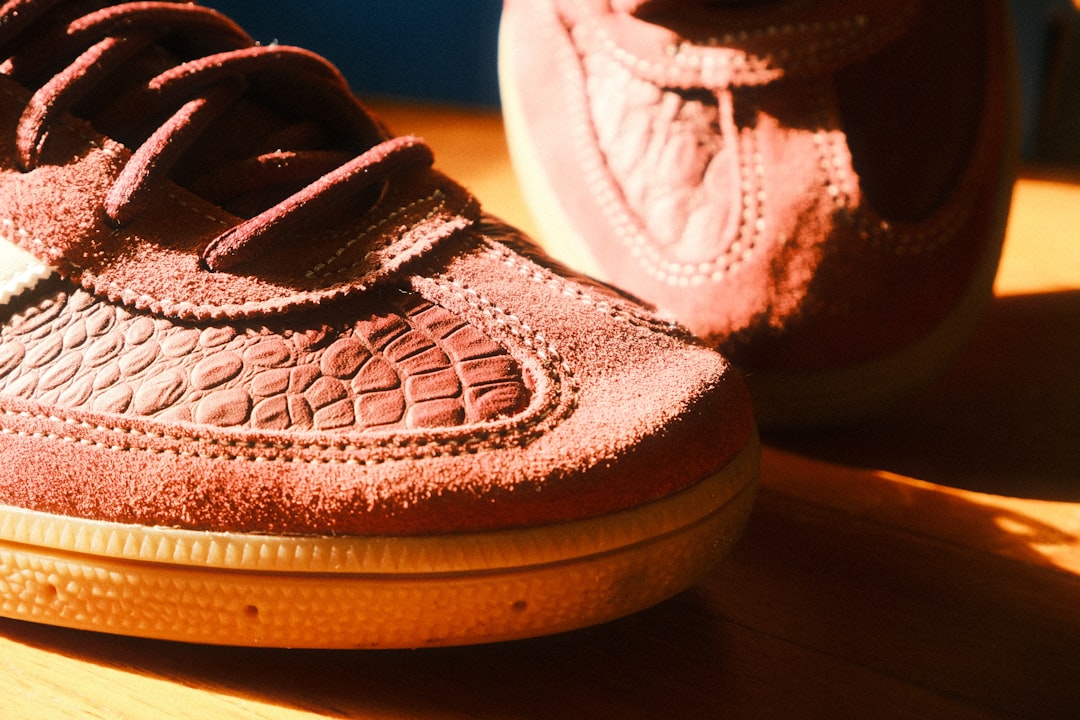
When prevention fails and stains have set, the remediation phase requires patience and the correct, gentle solvents. The key is to remember you are dissolving a mineral, not scrubbing dirt. For leather goods, a solution of equal parts white vinegar and water is remarkably effective. The mild acidity of the vinegar neutralizes the alkaline salt without harming the leather. Apply the solution with a soft cloth, dabbing and lightly wiping until the stain dissolves, then follow with a clean, damp cloth and allow the item to dry naturally away from direct heat. For suede, a specialized suede brush and eraser are safer first options. On hard surfaces like car paint or floor tiles, a mixture of warm water and a small amount of car wash soap is sufficient. The goal is to re-dissolve the salt and flush it away with copious water, avoiding abrasive scrubbing that can cause microscratches.
Ultimately, the best way to tackle winter salt stains is not a single trick, but a holistic philosophy of care. It is a seasonal ritual that combines foresight with consistent maintenance. By layering protective barriers, committing to immediate cleanup before evaporation occurs, and addressing set stains with appropriate, gentle chemistry, we can navigate the salted months without surrendering our possessions to their chalky, corrosive residue. This approach saves money on replacements and repairs, preserving the longevity and appearance of our belongings while ensuring we step into spring unblemished by winter’s harsh, white signature.
Articles