The Definitive Guide to Restoring Suede Sneakers Without Damage
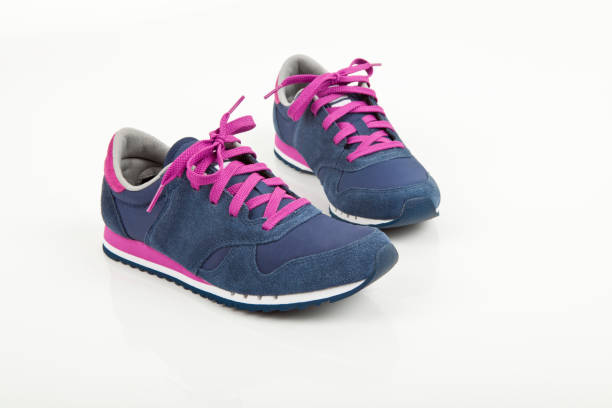
Suede possesses an undeniable allure in the sneaker world. Its soft nap, rich texture, and ability to elevate even the simplest silhouette have made it a perennial favorite among collectors and casual wearers alike. Yet that same velvety charm comes with a notorious vulnerability. Water stains, scuffs, dirt buildup, and oil marks can transform a pristine pair into a source of frustration in a single outing. Many enthusiasts believe suede is simply too high-maintenance to clean, but that is a misconception. With the right tools, patience, and a methodical approach, suede can be revived to near-original condition without the risk of irreversible damage. The key lies in understanding the material’s structure and applying dry, gentle techniques before ever reaching for liquid.
Before any cleaning begins, assess the damage. Loose surface dirt is the most common issue and the easiest to address. A suede brush with stiff nylon or brass bristles is the first line of defense. Always brush in a single direction, following the natural grain of the nap, never back and forth. This lifts embedded particles without abrading the fibers. For stubborn dried mud, let it fully dry, then gently crack it with the edge of a suede eraser before brushing. Never rub wet mud into suede, as that forces moisture and dirt deeper into the nap. A crepe rubber block can also remove lighter scuffs by lifting the top layer of compressed fibers.
For stains that remain after brushing, the approach must shift to targeted spot treatment. Water stains, often caused by rain or splashes, leave ring-like discolorations. The trick is to restore uniform moisture to the entire affected area. Lightly dampen a clean microfiber cloth with distilled water and blot the entire panel, not just the stain. Then stuff the sneaker with paper towels to maintain shape and let it air dry slowly away from direct heat. As the suede dries, use a brush to lift the nap. Repeat if necessary. Never use soap on water stains, as residue can cause further discoloration.
Oil and grease stains present a greater challenge because suede absorbs lipids quickly. Act fast by blotting fresh spills with a paper towel to soak up excess. Then cover the stain with a generous layer of cornstarch or talcum powder. Let it sit overnight to draw the grease out. Brush away the powder in the morning. If a shadow remains, repeat the process. For older oil stains, a solvent-based suede cleaner applied sparingly with a cotton swab can break down the residue. Test on an inconspicuous spot first. After treatment, let the area dry completely and brush to restore texture.
Deep cleaning entire suede sneakers should be a last resort, reserved for pairs that have accumulated grime beyond spot treatment. Begin by removing the laces and insoles. Use a soft brush to dislodge all loose dirt. Prepare a very mild solution of pH-neutral suede shampoo and cool water. Dip a soft sponge or cloth into the solution, wring it until nearly dry, then gently dab the surface in small sections. The goal is to lift dirt without saturating the suede. Rinse the sponge frequently in clean water, wringing thoroughly. After each section, blot with a dry microfiber cloth to absorb excess moisture. Never soak suede. Once the entire upper is cleaned, let the sneakers air dry for at least twenty-four hours with paper towels inside to maintain shape and absorb residual moisture. Avoid radiators, hair dryers, or sunlight, which cause shrinking and brittleness. When fully dry, brush vigorously to restore the nap.
Post-cleaning maintenance is as important as the cleaning itself. A protective spray designed specifically for suede creates a hydrophobic barrier that repels water and oil. Apply it in a well-ventilated area, holding the can about six inches away. Use even, sweeping passes, then let the sneakers dry for a few hours. Reapply after every few wears or after each cleaning. Storage also matters. Suede breathes, so avoid plastic bags. Use dust bags or cotton pillowcases. Silica gel packets inside the box help control humidity. Rotate your suede sneakers with other pairs to give them rest between wears, allowing the fibers to recover their shape and texture.
Suede demands respect, not fear. The material rewards careful attention with longevity and character that synthetic alternatives cannot replicate. By mastering dry brushing, understanding stain-specific reactions, and reserving wet cleaning for truly necessary moments, any sneaker enthusiast can keep their suede collections looking sharp for years. The process may require more time than wiping down leather or mesh, but the satisfaction of restoring a beloved pair to its former glory is well worth the effort. With these steps, suede becomes not a liability, but a canvas for enduring style.
Articles