The Enduring Appeal of Autumn Earth Tones in Sneaker Culture: From Rust to Olive
As the crisp air of autumn replaces the lingering warmth of summer, sneaker enthusiasts turn their attention to a palette that mirrors the natural world in its most dramatic transformation. Earth tones—russet, olive, camel, burnt sienna, and deep charcoal—dominate fall sneaker rotations not merely as a seasonal fashion choice but as a profound expression of the human connection to the cycle of decay and renewal. These hues, drawn directly from the soil, the bark, and the fallen leaf, offer a versatility and emotional resonance that bright neons and sterile whites cannot replicate. Understanding why earth tones have become a cornerstone of autumn sneaker culture requires examining their psychological impact, their practical utility in wardrobe building, and the specific ways designers have elevated these seemingly humble colors into objects of desire.
The psychological pull of earth tones in autumn is deeply rooted in biophilia—the innate human tendency to seek connections with nature. As leaves shift from green to gold and the sky turns a muted gray, wearing sneakers in shades of terracotta or moss green creates a harmonious visual dialogue with the environment. This alignment is not accidental. Color psychologists note that earth tones evoke feelings of stability, warmth, and grounding, which are particularly welcome during a season associated with introspection and preparation for the quiet of winter. When a sneaker fan laces up a pair of New Balance 990s in a rich “Driftwood” colorway or a Salomon trail runner in “Soot,“ they are not just making a style statement; they are participating in a seasonal ritual that connects them to the slow, deliberate rhythms of the natural world. This emotional undercurrent is what separates a mere trend from an enduring aesthetic.
From a practical styling perspective, earth tones offer an unmatched level of adaptability. Unlike the high-contrast demands of white or the specificity of bright pastels, hues like olive, khaki, and rust function as neutrals in their own right. They pair seamlessly with denim, corduroy, wool, and leather—the fabric staples of autumn. A pair of Nike Air Max 90s in a “Sand Drift” finish can anchor a monochromatic outfit of cream and beige, or serve as a subtle counterpoint to a darker outfit of charcoal and black. This chameleon-like quality reduces the mental friction of getting dressed, allowing the sneaker to become a reliable building block rather than a statement piece that must be carefully orchestrated. Moreover, earth tones are remarkably forgiving of dirt and wear, a practical advantage for sneakers that inevitably encounter wet leaves, mud, and the occasional puddle during fall walks.
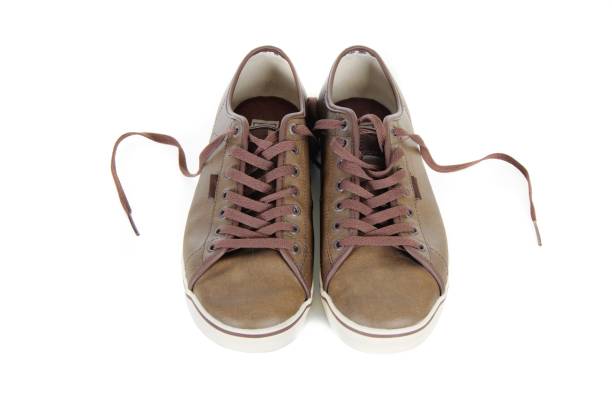
The sneaker industry has recognized the commercial and cultural power of earth tones, and major brands now release entire collections dedicated to autumn-specific palettes. Adidas has leaned heavily into “Clay” and “Shadow” colorways for its classic silhouettes, while ASICS has found cult success with the “Sierra” and “Moss” editions of the Gel-Kayano 14. Independent brands like Hoka and On Running have also embraced the trend, offering trail-inspired models in muted greens and browns that blur the line between performance footwear and fashion. What makes these releases particularly compelling is the attention to materiality. Fall earth tones are often paired with suede, nubuck, and premium leathers that develop a patina over time, enhancing the organic connection. The matte finish of a dark olive nubuck or the subtle sheen of a deep burgundy leather catches light differently than a glossy synthetic, adding a tactile dimension that complements the visual warmth.
Collector culture has further amplified the significance of earth tones. Limited edition drops like the “Coffee” series from various brands or the “Pine Green” collaborations have created a secondary market where these sneakers retain or increase in value precisely because of their seasonal resonance. Enthusiasts often refer to these colorways as “wearable art,“ appreciating how a pair of Jordan 1s in “Dark Mocha” or a Nike Dunk in “Medium Olive” can tell a story of autumn harvests and woodland walks without saying a word. The scarcity of these releases, combined with their thematic cohesion, fuels a sense of community among collectors who share styling tips and outfit photos during the fall months.
Yet the appeal extends beyond mere fashion. Earth tones in sneakers also reflect a broader cultural shift toward sustainability and timelessness. In an era of fast fashion and disposable trends, the durable, natural-inspired hues of autumn encourage a slower approach to consumption. A well-cared-for pair of earth-toned sneakers can be worn for multiple seasons without feeling dated, aligning with the growing preference for capsule wardrobes and mindful purchasing. This philosophical dimension adds depth to what might otherwise be dismissed as a seasonal whim.
Ultimately, the dominance of earth tones in autumn sneaker culture is a testament to the power of color to anchor us in time and place. As the leaves continue to fall and the air grows sharp, slipping into a pair of russet leather sneakers is more than a choice of footwear—it is an acknowledgment of the beauty in transition, the comfort in grounding, and the subtle elegance of drawing inspiration from the world beneath our feet.
Articles