The Environmental and Economic Case for Sneaker Resoling Services
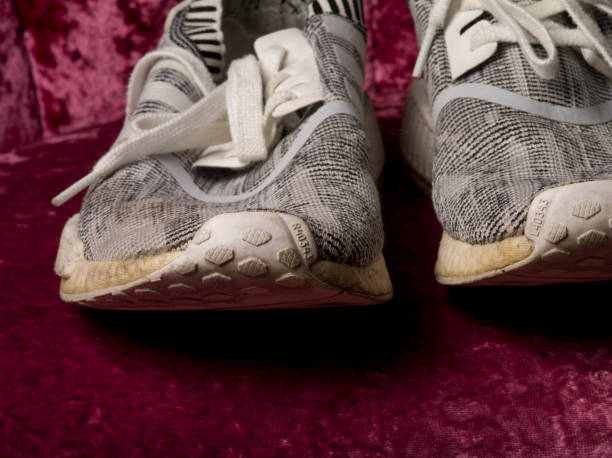
The average sneaker enthusiast knows the sting of a beloved pair reaching the end of its usable life. The outsole has worn smooth, the midsole has lost its cushioning, or the heel has separated from the upper. For decades, the reflex has been to toss the shoes and buy a new pair. But a quiet revolution is taking place in the sneaker world, driven by a combination of environmental consciousness, economic pragmatism, and a deep emotional connection to specific pairs. Resoling services, once the domain of work boots and dress shoes, have become a sophisticated and increasingly popular option for extending the life of favorite sneakers. Examining this practice reveals not only a practical solution for worn footwear but also a powerful statement about consumption, craftsmanship, and the true value of our most cherished kicks.
The most immediate reason to consider resoling is financial. A high-quality pair of sneakers, whether a classic Air Jordan, a limited Yeezy, or a durable New Balance, can cost anywhere from two hundred to over a thousand dollars. When the outsole wears down after a year or two of regular wear, the uppers often remain in excellent condition—leather still supple, mesh intact, stitching secure. Throwing away that perfectly good upper is wasteful. Professional resoling typically costs between forty and one hundred twenty dollars, depending on the complexity, the materials used, and the type of sole being replaced. That price is a fraction of the cost of a new pair, especially if the original sneaker was a limited edition or a vintage model that would be difficult or exorbitantly expensive to replace. Over time, a person who resoles their favorite two or three pairs can save hundreds, if not thousands, of dollars while maintaining a rotation of shoes that feel broken-in and familiar.
Beyond personal finance, the environmental argument for resoling is compelling. The sneaker industry is a major contributor to global waste and carbon emissions. Billions of shoes end up in landfills each year, where synthetic materials like EVA foam, rubber, and polyester can take centuries to decompose. Manufacturing a new pair of sneakers requires significant resources: petroleum for synthetic rubbers and foams, water for tanning leather, energy for factory production, and fuel for shipping. By choosing to resole, a person directly reduces demand for new production. A single resoling keeps a pair of shoes out of the trash and delays the need for a new manufacturing cycle. If even a small percentage of sneaker owners adopted resoling for their regular rotation, the cumulative reduction in waste and emissions would be substantial. This makes resoling one of the most impactful personal actions a sneakerhead can take toward sustainability, far more effective than buying one “eco-friendly” pair and continuing to discard others.
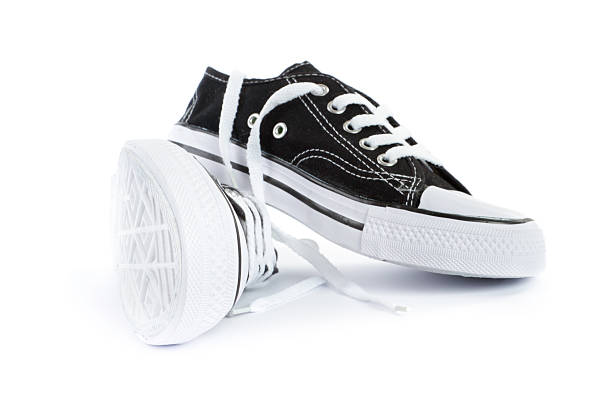
The technical aspects of resoling have evolved dramatically in recent years. Not all sneakers are created equal, and the feasibility of resoling depends on the construction method. Cupsole sneakers, like many Nike Air Force 1s or Adidas Superstars, have a single-piece rubber outsole that is cemented to the midsole and upper. These are relatively straightforward to resole: the old cupsole is removed, the midsole and upper are cleaned and prepped, and a new cupsole is bonded using industrial-strength adhesive and often a press. Full-length midsole replacements are more complex, particularly for sneakers with encapsulated Air units, Boost foam, or other proprietary cushioning systems. Specialized resoling services have learned to source replacement Air bags or replicate lost cushioning with modern materials, though this can raise the price and risk altering the original feel of the shoe. Stitch-down or Blake construction, found in some heritage sneaker brands like Red Wing or certain Common Projects, allows for even easier resoling because the sole is stitched to the upper, making replacement a matter of removing old stitches and attaching a new sole.
The choice between professional resoling and a do-it-yourself approach is critical. DIY resoling kits are available, offering pre-cut outsoles, glue, and primers. For someone with patience, steady hands, and a willingness to learn, these kits can be a satisfying and cost-effective option. However, the risk of a failed bond, misalignment, or damage to the upper is real. Professional resoling services offer expertise, specialized tools like heated presses and lasted forms, and access to high-quality replacement soles that are molded to match the original. Many services also offer additional repairs, such as replacing sock liners, reinforcing torn mesh, or re-dyeing faded leather, effectively giving a pair a full restoration. When the sneaker in question is a grail—a pair with deep sentimental value or significant monetary worth—the peace of mind that comes with professional work is often worth the extra cost.
Cultural shifts within sneaker collecting have also embraced resoling as a badge of honor rather than a mark of poverty. The concept of “wear your kicks” has long been a mantra, but it used to imply accepting eventual destruction. Now, wearing your sneakers and keeping them functional through resoling is seen as a sign of deep appreciation for the design and craftsmanship. Vintage sneaker collectors, in particular, have turned resoling into an art form. A pair of 1985 Air Jordan 1s might have crumbling polyurethane midsoles, but a skilled restorer can replace those midsoles while preserving the original leather uppers and stitching. The result is a shoe that looks and feels almost exactly as it did decades ago, allowing collectors to wear history on their feet rather than simply storing it in a box. This practice undermines the fast-fashion mentality of buy, wear, discard, and replace, and instead fosters a relationship with objects that is sustained over years.
Resoling services also create a secondary economy of skilled artisans. Cobblers who once exclusively repaired dress shoes are now training to work with sneaker materials like Phylon, EVA, and translucent rubber. New businesses have sprung up specializing in nothing but sneaker restoration and resoling. This niche industry provides jobs and preserves a craft that was nearly lost to mass production. For the sneaker community, knowing that a pair can be repaired encourages smarter purchasing decisions. A buyer might invest more in a well-constructed shoe if they know resoling is an option, rather than settling for a cheaper, non-repairable model.
There are, of course, limitations. Some sneaker designs are not meant to be resoled without severely compromising the fit or look. For example, knit uppers from brands like Nike Flyknit or Adidas Primeknit have very little structure, and removing the sole can distort the shape permanently. Similarly, sneakers with integrated midsoles and outsoles, such as many modern running shoes, are nearly impossible to resole without replacing the entire midsole, which can change the feel dramatically. However, even in these cases, some services offer creative solutions like attaching a thin rubber outsole on top of the worn one, a technique called “half-soling” or “topping.” This approach adds traction and protection while preserving the original cushioning system, though it may add a slight thickness and alter the ground feel.
The concept of resoling taps into a deeper philosophy of stewardship. We live in an era of planned obsolescence, where products are intentionally designed to fail so that consumers must buy replacements. Sneaker companies release new colorways every week, encouraging constant consumption. By choosing to resole, a person rejects that cycle and asserts control over their belongings. They are saying that a pair of sneakers is not disposable; it is a durable good worthy of investment and care. This mindset extends beyond sneakers to other aspects of life, fostering a more thoughtful relationship with material possessions. It is a small but meaningful act of resistance against a throwaway culture.
Ultimately, the decision to resole a pair of sneakers is a personal one, blending practicality, emotion, and principle. It allows a person to keep wearing shoes that have accompanied them through important moments, to save money while reducing waste, and to support skilled tradespeople. As resoling services become more accessible and the technology improves, the choice to extend a sneaker’s life will only grow more appealing. For anyone who has a pair of kicks that still fits perfectly, still looks great above the sole, and still brings a smile when laced up, resoling is not just an option—it is an opportunity. And in a world of endless new releases, that opportunity to preserve the old is worth its weight in rubber and foam.
Articles