The Essential Guide to Caring for Your Newly Resoled Sneakers
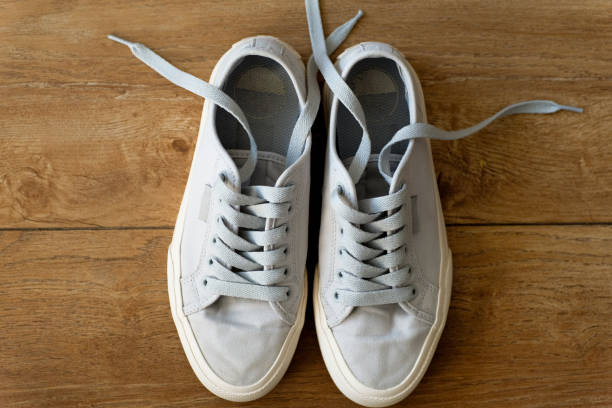
The moment you get your favorite sneakers back from the cobbler with a fresh, vibrant sole is a small victory. It’s a commitment to sustainability, comfort, and style, giving a beloved pair a new lease on life. However, the care you provide after a resole is crucial to ensuring your investment pays off and your sneakers continue to perform and look their best. The process extends far beyond simply lacing them up again; it involves a mindful approach to breaking them in, maintaining their renewed structure, and adapting your cleaning routine to protect both the new and original materials.
First and foremost, understand that a new sole, even if it’s an exact match, requires a gentle break-in period. The fresh adhesive bond between the new outsole and the existing midsole or upper needs time to fully cure and settle. For the first few wears, avoid subjecting them to extreme stress. This means postponing that long-planned hiking trip or intense athletic session. Instead, wear them for shorter, less demanding activities to allow the sole to flex naturally and the bond to strengthen. This cautious approach helps prevent premature separation and ensures the resole job remains intact. Pay attention to how they feel; a slight stiffness is normal initially, but it should gradually give way to the familiar comfort you sought to preserve.
Your cleaning routine must now account for the duality of your sneakers: an aged upper and a brand-new sole. While your usual cleaning methods for the upper fabric, leather, or suede likely remain the same, take special care with the new rubber or foam. Harsh chemical cleaners or stiff-bristled brushes can scuff or degrade the pristine outsole. For the first few cleans, use a soft brush and a mild soap solution to gently clean the new sole, removing initial dirt without being abrasive. This preserves the sole’s traction and appearance. Furthermore, be extra vigilant about drying. Never place resoled sneakers near a direct heat source like a radiator, as excessive heat can weaken the adhesive. Instead, stuff them with paper towels to absorb moisture from the inside and let them air dry at room temperature in a well-ventilated space. This protects both the integrity of the glue and the materials of the upper.
Long-term care pivots on prevention and rotation. Applying a water-repellent spray suitable for your upper’s material is a wise step, as it shields the entire shoe from stains and moisture damage that can compromise the sole’s attachment point. Perhaps the most impactful habit you can adopt is rotation. Do not wear your newly resoled sneakers every single day. Allowing them a full 24 to 48 hours to rest and air out between wears lets internal moisture evaporate and gives the materials, including the adhesive layers, time to recover their shape. This significantly extends the life of both the resole and the upper. Finally, maintain a simple but consistent maintenance ritual. After each wear, wipe off loose dirt with a dry brush, check for any tiny pebbles lodged in the tread, and ensure the laces aren’t applying uneven stress. Periodically inspect the area where the sole meets the upper—known as the welt or foxing—for any signs of lifting, addressing minor issues promptly can prevent major repairs later.
Ultimately, caring for resoled sneakers is an exercise in respectful maintenance. It acknowledges the craft of the resole and the history of the shoe itself. By dedicating a little extra attention to the break-in, adapting your cleaning, and committing to preventative care, you are not just preserving a pair of shoes. You are honoring a personal artifact, ensuring that the story your sneakers tell continues for many more miles to come, one careful step at a time.
Articles