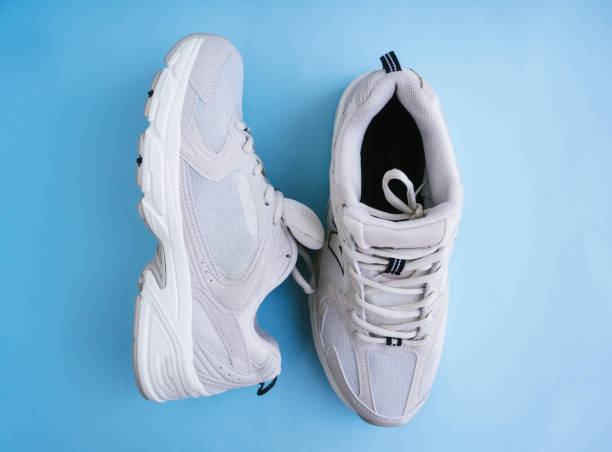
The Essential Guide to Waterproofing Sprays for Sneaker Protection
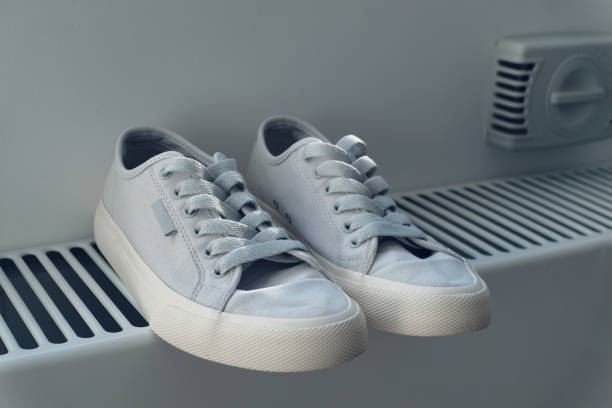
Rainy weather is the nemesis of pristine sneakers. A sudden downpour can turn a prized collection into a canvas of water stains, salt rings, and irreversible material damage in minutes. For the dedicated enthusiast, this isn’t just an inconvenience; it’s a threat to both daily wear and long-term investment pieces. The solution is straightforward, effective, and non-negotiable: a quality waterproofing spray. This is not a luxury accessory but a fundamental component of sneaker care, acting as an invisible shield that preserves your kicks against the elements.
The science behind these sprays is simple yet effective. Most modern formulas are built around fluoropolymers or silicone-based compounds. These ingredients do not create a plastic-like barrier, but rather work on a microscopic level. When applied, they form an ultra-thin, breathable layer that causes water to bead up and roll off the material’s surface. This nanotechnology approach is crucial because it repels moisture without clogging the pores of materials like leather, suede, nubuck, or advanced technical meshes. It allows the shoe to maintain its breathability—a key factor for comfort—while deflecting rain, sleet, and street splatter. For suede and nubuck, this protection is particularly critical, as water contact can permanently alter the nap and color of these delicate materials.
Applying a waterproofing spray correctly is a quick but vital ritual. The process begins with completely clean and dry sneakers. Any dirt or moisture trapped under the spray will be sealed in, leading to potential damage. Work in a well-ventilated area, and always test the spray on a small, inconspicuous area first, such as the inside of the tongue, to check for any adverse color reactions. Hold the can about six inches from the shoe and apply an even, sweeping coat over the entire upper. Pay special attention to seams and stitching, which are common water entry points. Allow the first coat to dry thoroughly, as directed—usually for 10-15 minutes—before applying a second, lighter coat for comprehensive coverage. One application does not last forever; for sneakers in regular rotation, reapplication every four to six weeks, or after a thorough cleaning, is necessary to maintain optimal protection.
It is essential to match the spray to your sneaker’s material. Using a standard silicone spray on suede will likely darken it and flatten its texture. Instead, opt for a formula specifically labeled for suede and nubuck. These are typically water-based and less aggressive. For full-grain leather, synthetic textiles, and Gore-Tex® models, a stronger silicone or fluoropolymer-based spray will offer robust protection. Never assume one product fits all. The small investment in the correct spray pales in comparison to the cost of repairing or replacing a damaged pair.
Ultimately, integrating waterproofing into your sneaker maintenance routine is a mark of a true collector. It demonstrates an understanding that preservation is as important as acquisition. It allows you to wear your footwear with confidence, regardless of the forecast, extending the life and appearance of every pair in your rotation. From protecting the buttery suede of a classic Air Jordan to shielding the engineered mesh of a modern performance runner, a waterproofing spray is the unsung hero of sneaker care. It is the practical, no-nonsense tool that ensures your passion remains on display, not shelved away for fear of a few clouds. At Sneakerholic, we recognize that true sneaker culture is about wearing your kicks, and with the right protection, a little rain should never stop you.
Articles