The Evolution of ASICS GEL Technology: From Cushioning to Performance Innovation
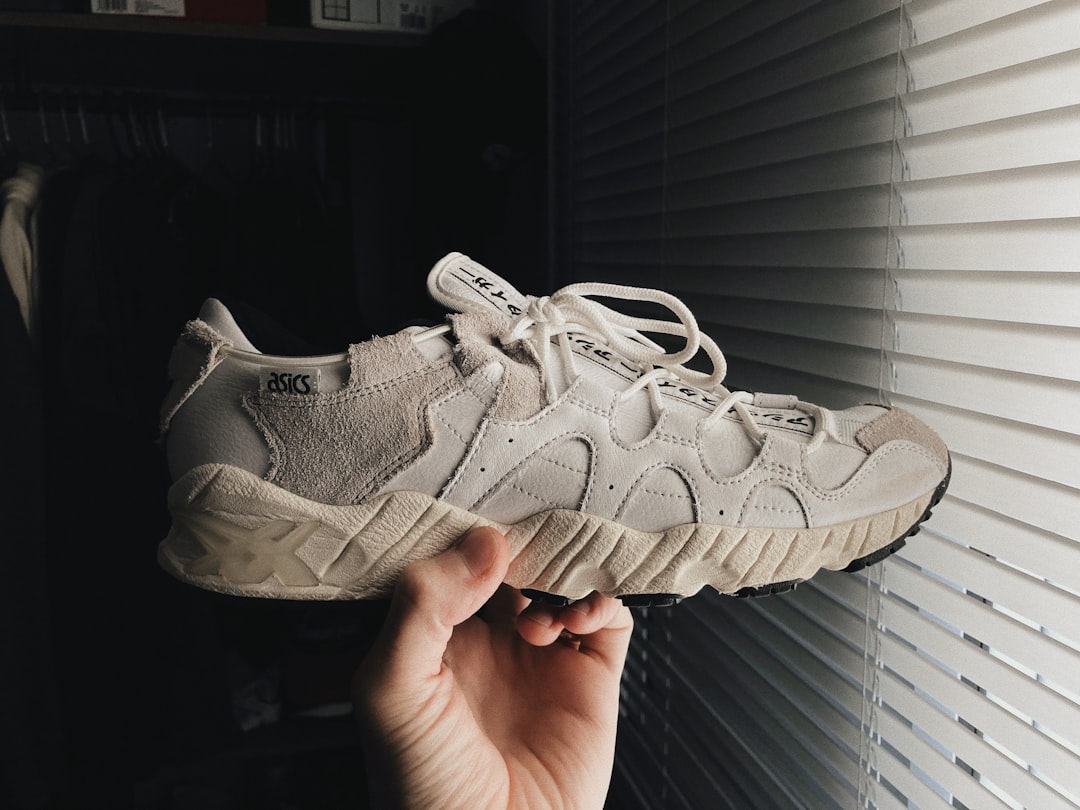
The story of ASICS is inseparable from the story of its most celebrated innovation: GEL technology. When Kihachiro Onitsuka founded the Onitsuka Tiger company in 1949 in Kobe, Japan, his vision was not merely to produce athletic shoes but to foster a generation of healthy youth through sport. That founding philosophy, encapsulated in the Latin acronym Anima Sana In Corpore Sano—a sound mind in a sound body—would eventually give birth to a technology that revolutionized running footwear and cemented ASICS as a titan of performance engineering. Understanding the development of GEL technology is to understand how Japanese precision, material science, and a relentless dedication to runner feedback transformed a simple cushioning idea into an iconic hallmark of running heritage.
In the early years, Onitsuka Tiger focused on basketball shoes and the first Marathon Tabi shoes, but the running boom of the 1960s and 1970s demanded a new approach to shock absorption. Early running shoes used EVA foam and rubber outsoles, but these materials degraded quickly and lacked the energy return needed for long distances. ASICS researchers, driven by the Japanese philosophy of kaizen—continuous improvement—began experimenting with silicone-based compounds. The breakthrough arrived in the 1980s when the company developed a semi-solid, silicone-based gel that could be encapsulated in a pouch and placed strategically in the midsole. This was not a mere foam addition; GEL offered a unique combination of viscosity and elasticity that allowed it to absorb vertical impact forces while maintaining lateral stability. The first commercial application debuted in the ASICS GT-II in 1986, but it was the GEL-Lyte series, particularly the GEL-Lyte III in 1990, that made the technology famous. Runners marveled at the plush yet responsive feel, a sensation that seemed to defy the hard, unforgiving pavements of urban training routes.
What set ASICS GEL apart from competitors like Nike Air or Adidas Boost was the philosophy of targeted placement. Rather than filling the entire sole with a single cushioning element, ASICS engineers used biomechanical research to position GEL pods at specific points of high impact: the heel, the forefoot, and sometimes the lateral side. The result was a system that dampened shock exactly where the foot needed it without sacrificing ground feel or stability. This precision engineering reflected the Japanese cultural respect for craftsmanship and detail. Each pod was tuned for durometer hardness, thickness, and shape depending on the shoe’s intended use—maximum cushioning for training, lightweight responsiveness for racing. The iconic rearfoot visible GEL window, introduced in the GEL-Kayano series, became not only a functional feature but a visual signature of ASICS quality. Runners could literally see the technology at work, and that transparency built trust.
The 1990s and 2000s saw GEL technology evolve alongside advances in material science. The original silicone gel gave way to more advanced formulations that offered better durability and temperature resistance. The introduction of Solyte midsole foam, a super-light material, allowed ASICS to reduce overall shoe weight while retaining the GEL cushioning. The FluidRide system further integrated GEL with a dual-layer midsole, providing a smooth transition from heel strike to toe-off. Perhaps the most significant evolution came with the development of Rearfoot and Forefoot GEL units that could be manufactured in larger, more responsive sizes. The GEL-Nimbus, launched in 1999, exemplified the marriage of maximum cushioning and stability, becoming a staple for neutral runners logging high mileage. Meanwhile, the GEL-Kayano series, named after ASICS designer Toshikazu Kayano, incorporated GEL into a structured support system for overpronators, proving that cushioning could coexist with motion control.
The true genius of ASICS GEL, however, lies in its adaptability to different running styles and environments. Trail runners benefit from GEL’s ability to absorb uneven terrain without bottoming out. Marathoners appreciate the energy return that reduces muscle fatigue over 42 kilometers. Even casual wearers have embraced the comfort of GEL in lifestyle silhouettes like the GEL-Lyte III and GEL-1130. The technology has never been static; ASICS continues to refine it, most recently with the introduction of PureGEL—a lighter, softer formulation that offers 65% more shock absorption than standard GEL. This next-generation material, featured in the latest Kayano and Nimbus models, represents a return to the core principle of listening to athletes. Today, GEL technology stands as a testament to the foresight of Onitsuka’s original mission. It is not merely a cushioning component but a symbol of Japanese engineering: precise, purposeful, and perpetually evolving. For runners, the presence of GEL in a shoe is a promise of protection and performance, a legacy written in every stride.
Articles