The Evolution of Slip-On Sneakers: From Casual Comfort to Streetwear Staple

Slip-on sneakers occupy a unique space in the footwear world, offering a blend of effortless convenience and understated style that has captivated wearers for decades. Unlike their lace-up counterparts, slip-ons eliminate the ritual of tying knots, making them the go-to choice for quick wear in nearly every setting—from a morning coffee run to a night out with friends. Yet beneath their simple, laceless exterior lies a rich history of innovation, cultural adoption, and design refinement that has transformed them into an enduring icon of sneaker culture.
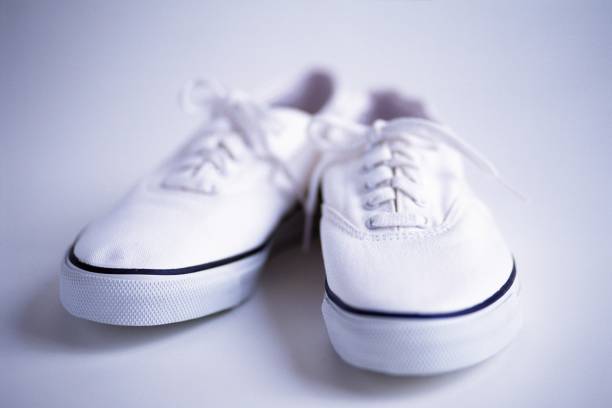
The modern slip-on sneaker traces its lineage back to the early twentieth century, when casual canvas shoes first emerged as affordable alternatives to leather oxfords. These early designs typically relied on laces or buttons to secure the foot, but a few pioneering brands began experimenting with elastic panels and adjustable straps. The real breakthrough came in the 1960s, when Paul Van Doren, co-founder of Vans, introduced the Style #98, later renamed the Vans Authentic. While laced, its low-profile silhouette set the stage for the brand’s most famous slip-on: the Vans Era and, soon after, the iconic checkerboard slip-on that would become synonymous with skate culture. By the late 1970s, Vans released the first true lace-free slip-on sneaker—the Vans Slip-On—featuring a stretchy side elastic and a padded collar that allowed the foot to slide in and out with ease. Skaters immediately embraced it for its snug fit and lack of loose laces that could catch on boards.
The 1980s cemented the slip-on’s place in mainstream fashion, thanks in large part to Sean Penn’s character Jeff Spicoli in the film Fast Times at Ridgemont High. Spicoli’s checkerboard Vans Slip-Ons became a symbol of laid-back California cool, and the shoe’s popularity exploded. Yet the slip-on’s appeal was not limited to skaters and surfers. Manufacturers like Sperry Top-Sider had long produced boat shoes with slip-on moccasin constructions, while brands such as Keds and Converse offered elastic-laced versions of their classic canvas sneakers. The common thread was ease of use: no laces, fewer steps, and a relaxed aesthetic that fit the casual lifestyles of the era.
As the 1990s rolled in, slip-ons diversified. Athletic brands like Nike and Reebok introduced slip-on trainers with neoprene uppers and pull-tabs, marketed as lifestyle shoes for everyday wear. The Nike Air Mowabb and the Reebok Instapump Fury each incorporated laceless design elements—though not strictly slip-ons, they pushed the envelope on alternative closure systems. Meanwhile, the advent of memory foam and cushioned insoles made slip-ons more comfortable than ever. Skechers, founded in 1992, capitalized on this trend with chunky, foam-soled slip-ons that became a staple for comfort seekers and shift workers alike. By the early 2000s, the slip-on had shed its purely casual reputation and entered the high-fashion arena. Designers like Marc Jacobs and Yohji Yamamoto began reimagining the silhouette with premium leathers, luxurious suedes, and minimalist silhouettes, often retailing for hundreds of dollars.
Today, the slip-on sneaker is a chameleon. It can be dressed up or down, worn with tailored trousers or ripped jeans, and styled for a morning jog or an art gallery opening. Technological advancements have only enhanced its appeal. Modern slip-ons often feature elastic goring not just on the sides but also across the tongue, creating a sock-like fit that wraps the foot without pressure points. Some brands incorporate LYCRA® fibers, while others use woven knits that stretch and conform to the wearer’s unique shape. The outsole has evolved from simple rubber to engineered treads that provide grip without adding bulk. Furthermore, the slip-on has become a canvas for collaboration—artists, musicians, and streetwear labels routinely release limited-edition versions that command premium prices and instant sellouts.
Perhaps the most significant shift in the slip-on’s journey is its role in the broader sneaker culture. Once considered the “cheap” alternative to lace-ups, slip-ons now occupy a hallowed spot in the sneaker Hall of Fame, alongside Air Jordans and Dunks. The Vans Slip-On alone has been honored with countless retro releases, custom collaborations, and museum exhibits. Its simplicity has become its strength: no laces mean no distractions, allowing the material, pattern, and silhouette to speak for themselves. For collectors, a pristine pair of vintage slip-ons from the 1980s or a rare designer collab can be just as valuable as any lace-up grail.
In an age where convenience and style often feel at odds, the slip-on sneaker proves they can coexist beautifully. It offers the quick wear that busy lives demand without sacrificing the design integrity that sneakerheads crave. Whether you are sliding into a pair of classic checkerboard Vans, a sleek leather loafer, or a futuristic knit slip-on, you are participating in a legacy that spans skate parks, runways, and city streets. The slip-on is more than a shoe—it is a statement that sometimes the best way to move forward is to step in and go.
Articles