The Evolution of Sneaker Collecting in the United States: From Hobby to High Finance
In the span of a single generation, sneaker collecting in the United States has transformed from a niche pastime for hobbyists into a multi-billion-dollar resale economy that rivals traditional asset markets. What began as a subculture rooted in basketball fandom and hip-hop street style has become a sophisticated investment landscape, complete with market analysts, authentication services, and speculative trading platforms. This evolution reflects broader shifts in American consumer behavior—the rise of limited-edition capitalism, the digitization of secondary markets, and the blurring of lines between passion, status, and financial return.
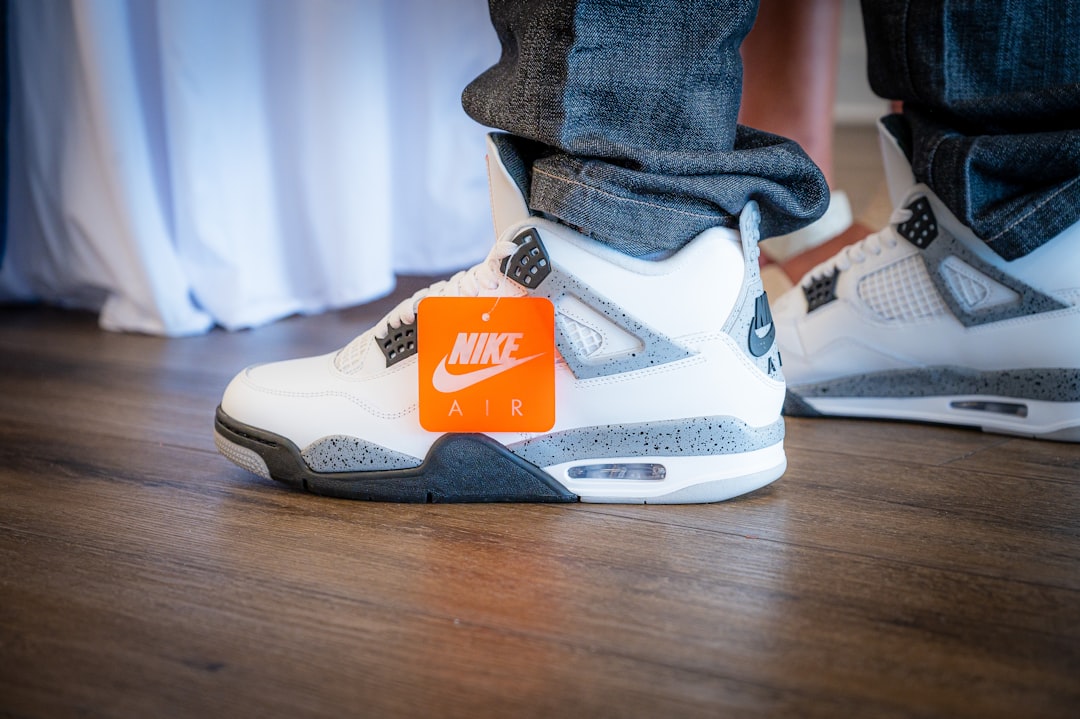
The origins of American sneaker collecting are inextricably linked to the golden age of basketball in the 1980s. Michael Jordan’s partnership with Nike produced the Air Jordan line, which ignited a fervor among young fans who saw the shoes not simply as athletic gear but as symbols of aspiration. The initial resale market was grassroots: kids trading pairs in school hallways, local shoe stores holding raffles for limited releases, and a handful of enthusiasts selling deadstock pairs through classified ads in magazines. The community was small, local, and driven by genuine love for the culture. Collectors curated their closets with the same care a music fan curated a vinyl collection, and the thrill came from the hunt—not the eventual price tag.
The turning point arrived in the early 2000s with the explosion of the internet. Forums like Niketalk and Sole Collector became digital clubhouses where collectors from Boston to Los Angeles could share release dates, authenticate pairs, and negotiate trades. This virtual community dissolved geographic barriers, allowing the culture to coalesce around shared knowledge rather than physical proximity. Simultaneously, hip-hop culture—already a powerful engine for sneaker trends—amplified demand through music videos and celebrity endorsements. Pairs like the Nike Air Yeezy, released in 2009, shattered previous price ceilings, and the resale market began attracting a new breed of participant: the opportunist. These individuals saw sneakers not as artifacts but as commodities, and they began developing strategies to acquire multiple pairs with the sole purpose of reselling at a premium.
The modern era of American sneaker collecting is defined by three forces: scarcity engineered by brands, the professionalization of resale, and the emergence of community as both a driver and a casualty of the market. Nike, Adidas, and other major players have mastered the art of controlled supply, producing limited runs of hyped collaborations and leveraging fear of missing out to drive demand. The result is a secondary market where a pair of sneakers retailing for $200 can instantly command $1,000 or more on platforms like StockX, GOAT, and Stadium Goods. These digital marketplaces have brought transparency to pricing, but they have also reduced sneakers to ticker symbols—commodities tracked with the same data feeds used for stocks. The term “sneakerhead” has evolved too; today it often refers to someone who tracks market trends rather than someone who wears the shoes.
Within this landscape, the sense of community has shifted dramatically. On one hand, the internet allows collectors in remote areas to connect with peers, attend virtual release events, and participate in global discussions. Instagram and YouTube have turned local collectors into influencers with audiences that span continents. On the other hand, the influx of resellers and bots has fractured the egalitarian spirit that once defined the scene. A release day that once felt like a communal ritual now often feels like an algorithmic battleground. Genuine collectors frequently find themselves unable to secure pairs at retail, forced to pay resale prices to obtain the shoes they love. This tension has given rise to alternative community structures: local sneaker clubs, in-person trade events, and independent boutiques that prioritize loyalty over volume. In cities like New York, Chicago, and Los Angeles, these groups serve as counterweights to the corporate resale machine, emphasizing storytelling, craftsmanship, and the shared joy of a well-curated rotation over profit margins.
The regional character of American sneaker collecting varies widely. The Northeast—particularly New York—remains a global epicenter of hype culture, driven by its deep roots in hip-hop and streetwear. The West Coast, led by Los Angeles, leans into lifestyle and basketball heritage, with a strong presence of vintage and retro collectors. The Midwest has produced some of the most dedicated archival collectors, while the South maintains a distinct flavor centered around college basketball and family-run resale shops. These regional scenes feed into the broader national ecosystem, each contributing its own philosophies about what makes a sneaker valuable.
As the United States continues to dominate the global sneaker market—accounting for roughly 40 percent of the entire resale industry—American collectors face a paradox. The very success of the hobby has made it harder to practice. Yet the resilience of the community suggests that sneaker collecting is not just about acquiring rare goods; it is about participating in a living culture that evolves with each new generation. Whether through local meetups, online forums, or simply the experience of waiting in line with strangers who share a passion, the soul of American sneaker collecting persists—even as the numbers climb ever higher.
Articles