The Evolution of Sneaker Resale Culture in Japan: From Hype to Heritage
The global sneaker resale ecosystem is often framed through the lens of American hypebeasts or European fashion capitals, but one of its most fascinating and formative regional scenes exists in Japan. Japanese sneaker culture, particularly its resale market, operates on a unique axis that balances obsessive craftsmanship, deep brand reverence, and a communal ethos that transforms consumerism into something approaching artistry. To understand how Japan became a powerhouse in sneaker resale, one must look beyond the numbers and into the cultural forces that have shaped its collectors and entrepreneurs.
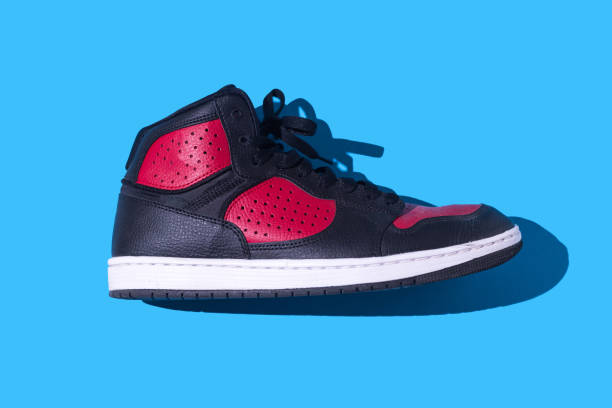
Japan’s relationship with sneakers began in earnest during the postwar American occupation, when imported athletic shoes symbolized modernity and Western cool. By the 1980s, Tokyo’s Harajuku district had become a global incubator for street style, with sneakers serving as a blank canvas for self-expression. The arrival of Nike’s Air Jordan line in the late eighties sparked a frenzy, but it was the 1990s that truly cemented Japan’s resale infrastructure. At that time, limited releases were rare, and the concept of paying above retail for sneakers was alien to most Americans. In Japan, however, a small network of specialty shops and private collectors began treating sneakers as precious objects—storing them in climate-controlled conditions, wrapping them in tissue paper, and cataloging every detail as if they were museum artifacts.
This reverence stems from a deeper cultural appreciation for preservation and scarcity. In a country where gift-giving is ritualized and secondhand goods are often seen as imbued with history, the sneaker resale market naturally developed an aura of exclusivity. Stores like Kicks Lab in Harajuku or Mita Sneakers in Ueno became temples of curation, where a pair of vintage Air Max 95s could command prices that dwarfed retail value. Unlike the speculative, hype-driven flipping common in the United States, Japanese resellers often emphasized condition, originality, and provenance. A deadstock pair of original 1985 Air Jordan 1s with its box and tissue paper was not just a commodity—it was a time capsule.
The rise of online platforms like Yahoo! Auctions Japan and later, Japanese-specific sneaker marketplaces, accelerated the scene. Local collectors became masters of the “flip” within a tight-knit community that valued reputation over anonymity. Trust was built through meticulous authentication and honest grading. A seller who misrepresented a pair of Yeezy 750s would be blacklisted quickly, as word spread through forums and meetups. This social accountability created a market where prices were often higher than global averages, but buyers could be confident they were receiving genuine, well-preserved product.
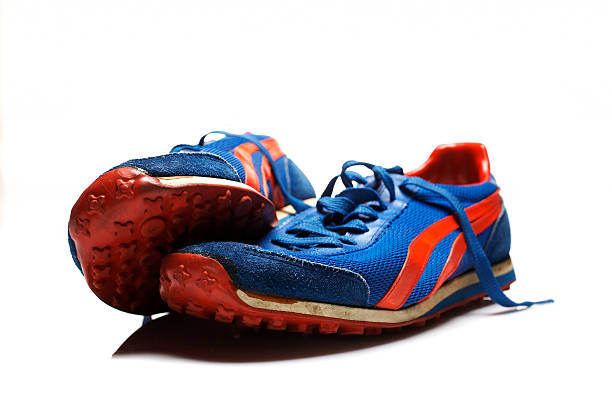
Perhaps the most distinctive aspect of Japan’s sneaker resale scene is its connection to heritage brands beyond Nike and Adidas. While American hype centers on Jordans and Off-White collaborations, Japanese collectors have long celebrated obscure models from Asics, Mizuno, and Onitsuka Tiger—brands that are part of the national identity. These sneakers, often produced in limited quantities for the domestic market, became targets for resale before international hype machines noticed them. The Gel-Lyte III, for instance, enjoyed a robust secondary market in Japan years before it gained global cult status. Resellers in Osaka and Tokyo had already built networks to source rare colorways from rural stores, archivists, and estate sales.
The community aspect is equally vital. Sneaker conventions like Sneaker Expo in Tokyo or the ComplexCon affiliate events draw thousands of attendees, but the real action happens offline in small gatherings, pop-up stores, and even coffee shops where collectors swap stories along with shoes. There is a poetic ritual to these transactions: a buyer inspects the stitching of a pair of Supreme x Air Force 1s while the seller explains the shoe’s place in a personal collection. The price is often negotiated not with cold haggling, but through a respectful acknowledgment of the shoe’s history. This is resale as cultural exchange, not mere transaction.
Recent trends show Japan adapting to global shifts. The rise of AI authentication tools and cross-border shipping services has made it easier for international buyers to access Japanese listings. Yet, local resellers remain wary of the “hypebeast” culture that prioritises profits over passion. Many Japanese collectors have pivoted to focusing on vintage and archival pieces, seeking out rare collaborations from the early 2000s that have not yet been rediscovered by Western markets. This strategy reflects a sophisticated understanding of cycles—that today’s grail may be tomorrow’s clearance, and that patience often yields both profit and prestige.
In conclusion, Japan’s sneaker resale culture is a microcosm of the global collector scene but with its own distinct philosophy. It prizes condition, history, and community trust over quick flips. It honors the craftsmanship of domestic brands while simultaneously engaging with international hype. For any sneaker enthusiast looking to understand the depth of regional resale dynamics, Japan offers a masterclass in how passion can elevate a marketplace into a living heritage. The lesson from Tokyo, Osaka, and beyond is clear: the best resale culture is built not on scarcity alone, but on the stories that shoes carry and the collectors who protect them.
Articles