The Evolution of Tennis Shoe Uppers: How Material Innovation Revolutionized Lateral Support

The modern tennis shoe is a marvel of engineering, but few components have undergone as radical a transformation as the upper. For decades, the upper was merely a protective shell, a layer of leather or canvas that held the foot in place. Today, it is an active partner in performance, especially in the realm of lateral support for the explosive side-to-side movements that define tennis. Understanding how upper materials evolved reveals a story of trade-offs between durability, breathability, weight, and the crucial ability to lock the foot during sudden changes of direction.
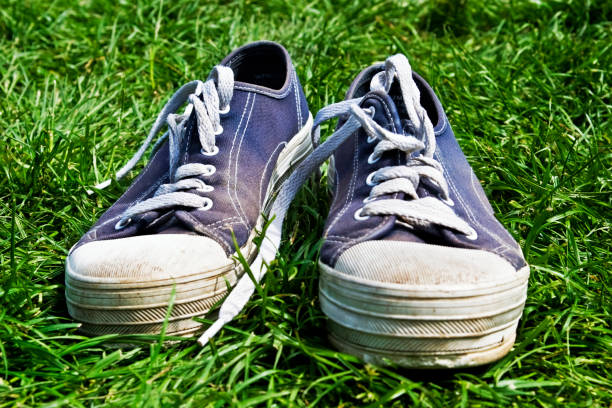
In the early twentieth century, tennis shoes were essentially canvas plimsolls with rubber soles. The upper offered negligible lateral support; it was soft and flexible, intended more for casual play on lawn courts. As tennis grew more athletic in the post-war era, players demanded greater stability. The answer came in the form of full-grain leather. Brands like Adidas and Converse produced leather tennis shoes that provided a rigid, supportive cradle around the foot. Leather’s natural stiffness, when combined with a padded collar and reinforced toe cap, helped prevent the foot from sliding laterally inside the shoe during quick cuts. However, leather had significant drawbacks: it was heavy, poorly ventilated, and prone to stretching over time. Once stretched, the shoe lost its snug fit, and lateral support deteriorated. Players had to tighten laces excessively, often leading to discomfort or blisters.
The late 1970s and 1980s saw the introduction of synthetic leather and suede. Materials like Clarino and DuPont’s Cordura offered a lighter alternative while retaining decent stiffness. Nike’s original Wimbledon and the Adidas Stan Smith both used synthetic leather uppers that broke in faster and maintained shape better than natural leather. Yet lateral support was still primarily achieved through material thickness and additional stitching—not through engineered structure. The breakthrough arrived with the integration of thermoplastic polyurethane (TPU) overlays. By fusing thin TPU strips onto the upper’s sides, manufacturers could create targeted support zones without adding excess weight. These overlays acted like external ribs, resisting the sideways forces that would otherwise cause the upper to buckle.
The true revolution began in the early 2000s with engineered mesh and fused synthetic materials. Nike’s Air Zoom Vapor series, for instance, used a combination of mesh and thin synthetic skin, often called “DragOn” or “Kevlar-infused” fabrics, that provided breathability while maintaining structural integrity. The key innovation was the ability to design the upper with variable tension zones: a looser weave over the toes for flexibility, and a tighter, reinforced weave around the midfoot and heel to lock the foot. This concept, known as “functional zones,” allowed the shoe to move with the foot yet resist excessive lateral deformation. Adidas countered with its “Techfit” compression uppers, which wrapped the foot like a second skin and used elastic materials under high tension to prevent rolling.
Perhaps the most significant leap came with the adoption of knit and woven uppers. Flyknit by Nike and Primeknit by Adidas introduced a seamless, sock-like fit that was incredibly lightweight. Critics initially doubted whether a knit upper could provide adequate lateral support for tennis. The solution was to embed high-strength yarns—often polyester, nylon, or even Dyneema—into the knit structure along specific vectors. These yarns created a “cage” effect within the fabric itself, resisting stretch along the lateral direction while allowing flexibility longitudinally. For example, the Nike Air Zoom Cage 4 used a Flyknit chassis with a fused overlay on the medial and lateral sides, plus a molded heel counter, to achieve a locked-down feel that rivaled traditional leather shoes. The Adidas Barricade series, long known for its supportive plastic chassis, transitioned to a knit upper with a built-in TPU midfoot cage, proving that knit could handle the demands of professional tennis.
Another critical innovation is the use of a molded internal heel counter integrated into the upper. Previously, heel counters were separate pieces of plastic inserted between layers of material. Today, the upper’s heel area is often constructed with a rigid “exoskeleton” that wraps around the Achilles and heel bone. This external heel cup, usually made of TPU or carbon fiber, prevents the heel from lifting or sliding sideways. Combined with a lacing system that reaches deep into the midfoot, the modern upper can effectively clamp the foot in place.
Material science continues to advance. The latest tennis shoes, such as the Yonex Eclipsion Z4, use a dual-layer mesh with a graphene-infused outer layer for added rigidity without weight. Asics Gel-Resolution uppers feature a “Personal Heel Fit” system that uses memory foam and a flexible plastic collar to adapt to the foot’s shape while still providing lateral stability. Even the laces have evolved: flat, non-stretch laces with additional eyelets allow for a more precise lockdown, distributing pressure evenly across the instep.
The trade-off between breathability and support has largely been resolved. Modern uppers are designed to be as thin as possible in non-critical areas—like the toe box—while being heavily reinforced along the lateral side, midfoot, and heel. This selective reinforcement is possible thanks to computer modeling and motion-capture data that identifies exactly where the shoe deforms during a lateral lunge. A shoe that is too stiff restricts natural foot movement and can lead to ankle sprains; a shoe that is too soft allows the foot to slide and lose energy. The ideal upper feels like an extension of the skin, yet responds instantaneously to lateral forces.
In conclusion, the journey from canvas to cotton, leather, synthetic leather, engineered mesh, and finally to advanced knits and composites has transformed the tennis shoe upper into a sophisticated support system. Lateral support is no longer just about material thickness—it is about intelligent structuring, strategic reinforcement, and dynamic tension. Today’s tennis players can sprint, stop, and cut with confidence, knowing that their shoes will keep them stable and secure. The upper is no longer a passive covering; it is an active performance tool that has redefined what is possible on the court.
Articles