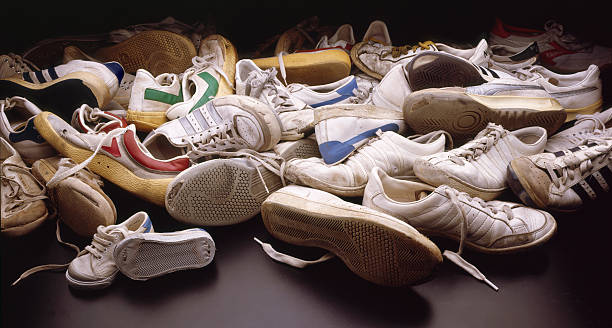
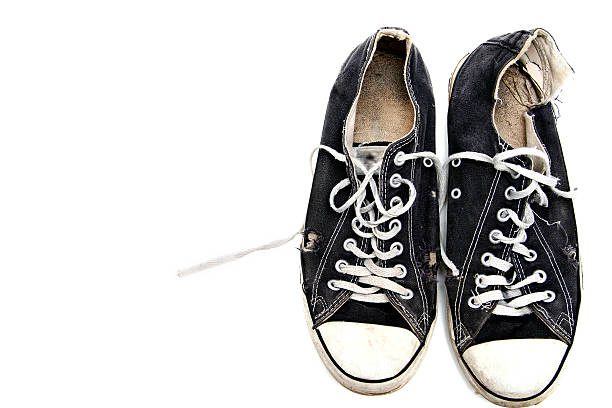
The Evolution of the Leather Sneaker from Athletic to Casual Icon
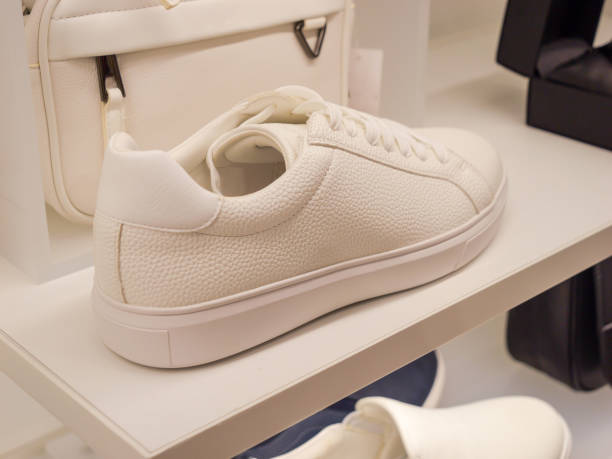
The leather sneaker occupies a unique space in footwear history. Unlike its canvas or mesh counterparts, leather brings an inherent gravitas to what was once purely a performance shoe. To understand how leather sneakers evolved from utilitarian athletic gear to a cornerstone of casual style, one must trace their journey through decades of design innovation, cultural shifts, and changing attitudes toward dress codes. Today, the leather sneaker stands as a symbol of versatility—durable enough for daily wear, refined enough for dinner, and timeless enough to defy seasonal trends.
The story begins in the early twentieth century when sneakers were primarily made of canvas and rubber. Leather remained the domain of formal shoes and work boots, materials that signified durability but also stiffness. The first major shift came in 1917 with the introduction of the Converse All Star, though canvas dominated. It wasn’t until the 1930s that leather began appearing in athletic footwear, most notably with the Jack Purcell sneaker, whose leather toe cap offered extra protection for badminton players. Yet leather remained a niche choice, prized for its longevity but criticized for its weight and lack of breathability.
The true turning point arrived in the 1960s and 1970s when sneaker manufacturers began experimenting with full-grain and suede leathers to create shoes that could withstand the rigors of basketball and tennis. Adidas introduced the Superstar in 1969 with its distinctive rubber shell toe and smooth leather upper, designed to protect players’ toes during quick pivots. This shoe, later adopted by hip-hop culture in the 1980s, helped establish leather as a premium material for sneakers. Meanwhile, Puma’s Clyde and Nike’s early basketball models, such as the Blazer, also embraced leather uppers, signaling a shift away from canvas in professional sports.
What truly propelled leather sneakers into the casual wardrobe, however, was the 1980s sneaker boom. Michael Jordan’s partnership with Nike produced the Air Jordan 1 in 1985, a leather high-top that broke the NBA’s color rules and turned sneakers into cultural artifacts. The Air Jordan 1 demonstrated that leather could provide not only support and durability but also an elevated aesthetic. The shoe’s polished leather panels, combined with bold color blocking, made it acceptable to wear outside the gym. Suddenly, leather sneakers were no longer just performance tools; they were statements of identity.
As the 1990s progressed, the line between athletic and casual blurred further. Brands like Reebok and New Balance released leather versions of their classic running and training shoes, emphasizing comfort and style equally. The rise of streetwear and preppy fashion embraced the leather sneaker as a staple. The Timberland 6-inch boot—while not a sneaker—proved that leather could cross over into urban fashion, and sneaker brands took note. The early 2000s saw a surge in minimalist leather sneakers from European labels like Common Projects and Axel Arigato, which stripped away logos and performance features to create blank canvases for everyday wear. These designs elevated leather sneakers to a position of quiet luxury, competing with loafers and derbies in smart-casual settings.
Today, the leather sneaker is ubiquitous, available in countless variations: from polished calfskin dress sneakers to rugged nubuck hiking-inspired styles. Its appeal lies in its duality. Leather offers natural water resistance, structural integrity, and the ability to mold to the wearer’s foot over time, creating a personalized fit that synthetic materials rarely match. This durability means a well-crafted leather sneaker can last years, aging gracefully with scuffs and creases that tell a story. At the same time, leather’s texture and sheen provide a visual sophistication that elevates jeans, chinos, and even tailored trousers.
Care and maintenance play a crucial role in preserving leather sneakers’ longevity. Regular conditioning keeps the leather supple, while proper cleaning prevents cracking. Many collectors and enthusiasts treat their leather pairs as investments, using shoe trees and protective sprays to guard against moisture and stains. This ritualistic care underscores a deeper appreciation: leather sneakers are not disposable fashion items but companions on a journey.
In contemporary culture, the leather sneaker bridges the gap between comfort and formality. It has become the default choice for the modern man or woman who wants to look put together without sacrificing the ease of a sneaker. From the boardroom to the coffee shop, leather sneakers adapt. They represent a democratization of style—proof that functionality and elegance need not be mutually exclusive. As sneaker culture continues to evolve, leather remains the material that grounds it in tradition while pushing it toward new possibilities. The leather sneaker is no longer just a shoe; it is a philosophy of dressing that values substance over hype.
Articles