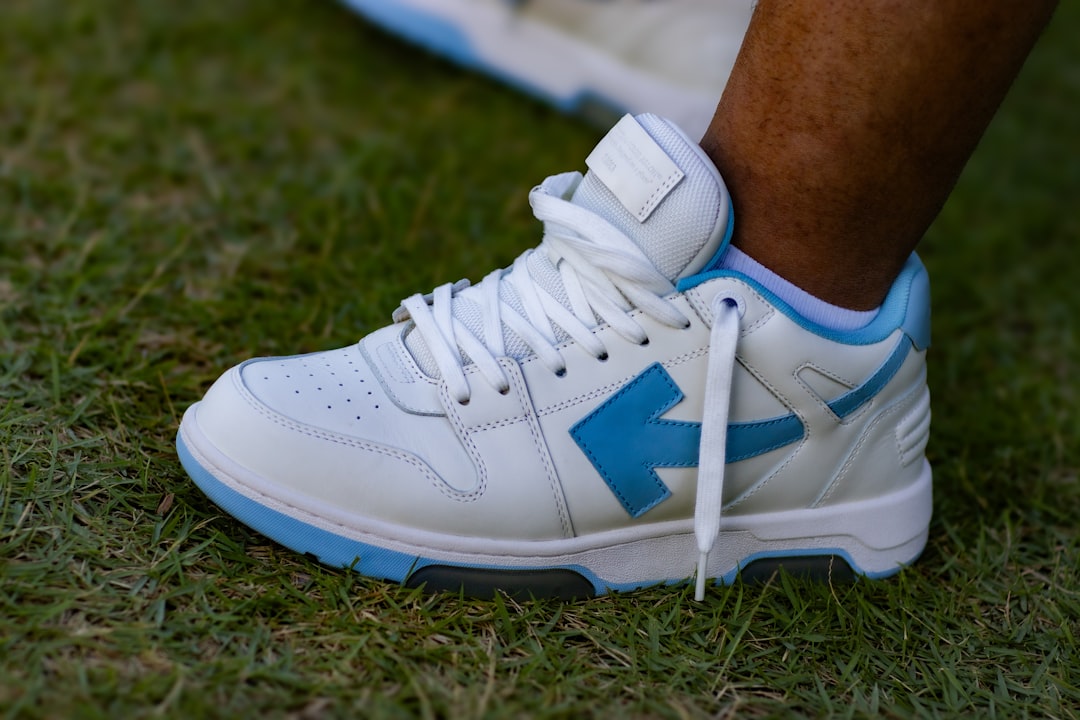
The ’FOMO’ Trap: Why Waiting 48 Hours After a Drop Maximizes Your Sneaker ROI

The moment a highly anticipated sneaker drops, the digital air thickens with urgency. Within seconds, stock disappears, confirmation emails trickle in, and a wave of disappointment crashes over those who struck out. This is the precise instant when the aftermarket awakens, and for many, the impulse to buy immediately feels irresistible. The fear of missing out, the dread of seeing prices climb out of reach, and the visceral need to secure a pair before they become unobtainable drive countless collectors and flippers straight into a costly error. The truth is that the first few hours after a drop are often the worst time to buy and, paradoxically, the worst time to sell if you want to maximize your returns.
Understanding the aftermarket’s immediate trajectory requires a grasp of pure human psychology at scale. When a sneaker sells out in minutes, a vacuum of perceived scarcity is created. Buyers who missed out, frustrated and eager, rush to resale platforms like StockX, GOAT, or eBay. Resellers, equally aware of this emotional spike, list their pairs at premium prices, sometimes double or triple the retail cost. This initial wave is driven entirely by panic buying. The price jumps high and fast, but it does so on a foundation of desperation, not sustainable demand. What many fail to recognize is that this spike is almost always followed by a correction.
Within the first twenty-four to forty-eight hours, something predictable happens. The flood of inventory from resellers who managed to secure multiple pairs begins to hit the market. Automated bots and manual coppers alike dump their stock into the same limited pool of buyers. As supply suddenly expands, the invisible hand of competition pushes prices downward. Resellers who listed at sky-high prices during the first hour watch their listings sit untouched. They begin to undercut one another, chasing the next lowest ask. A pair that was listed at five hundred dollars at ten in the morning might be down to three hundred fifty by dinnertime. This dip is the aftermarket’s most forgiving window for buyers who can resist the initial FOMO.
Patience, then, becomes a superpower. The savvy collector knows that the best time to buy a new drop is not when the hype is loudest, but when the echo of that hype begins to fade. Typically, that window opens around forty-eight hours after the release and can last for several days, depending on the shoe’s overall desirability and the volume of pairs produced. During this period, the market has had time to absorb the initial rush. Prices settle closer to a floor, often near retail plus taxes and shipping, sometimes even below in the case of unpopular colorways or overstated demand. A buyer who waits through the emotional first act of the drop can secure the same sneaker for a fraction of what the panicked crowd paid.
For sellers, the timing equation flips. The optimal moment to sell a new drop is not at the immediate peak, but rather in the pre-release and launch-day chaos when buying sentiment is at its most irrational. The very same panic that hurts buyers rewards sellers who are quick and cold-headed. Listing a pair within the first hour of a drop, while the hype is white-hot, can capture the highest possible return. But this strategy is not without risk. If too many resellers list simultaneously, the price can crater even faster. A more reliable approach is to sell just before the drop date, using presale listings or early raffle wins, when anticipation drives value. Alternatively, holding the pair for months until the next hype cycle or a cultural moment reignites interest can yield far greater profits than flipping immediately.
Yet the aftermarket is not a monolith. Limited collaborations, celebrity-endorsed silhouettes, and retro releases of iconic models often defy the standard dip-and-rise pattern. A Travis Scott or Off-White collab might never see a deep correction because the collector base is so ravenous and the supply so minuscule. In those cases, buying at any time after the drop might feel like chasing a moving target. Even here, however, the first forty-eight hours tend to show a plateau or slight retreat as early flippers cash out, providing a brief entry point for those willing to pounce. The key is to study the specific sneaker’s historical auction data, track its StockX volatility index, and watch for telltale signs like multiple price cuts on the same size.
The deeper lesson is that aftermarket timing is less about luck and more about emotional discipline. The sneaker game rewards those who can separate the thrill of the chase from the arithmetic of the transaction. When a drop sells out, the natural reaction is to act fast, but the data consistently shows that impulsive decisions lead to overpaying or underselling. By waiting out the initial frenzy, buyers can snatch pairs at their most affordable post-release price, while sellers who resist the urge to list immediately can wait for a more advantageous moment or, conversely, flood the market before the dip. The most successful participants treat the aftermarket as a delayed reflection of supply and demand, not as an instant gratification zone.
In the end, the choice to buy or sell in the first few hours is a bet on human nature. The house always wins when emotions run high. By stepping back, breathing through the ticker, and waiting forty-eight hours, you place yourself on the side of logic. You avoid the FOMO trap and turn timing into your greatest asset, one that compounds with every drop.
Articles