The Hidden Enemies of White Sneakers: Humidity, Light, and the Path to Permanent Whiteness
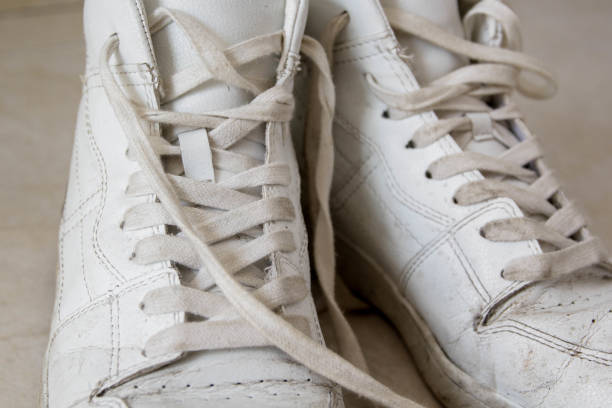
Every sneaker enthusiast knows the thrill of unboxing a fresh pair of white kicks. That immaculate, cloud-like finish promises endless styling possibilities, yet it also carries an unspoken burden: the inevitable struggle against yellowing, grime, and dullness. While most care guides focus on surface stains and scuffs, the deeper threat to white sneaker longevity lies in two invisible adversaries: humidity and ultraviolet light. Understanding how these elements attack the materials of your footwear—and learning how to counteract them—can mean the difference between a pair that stays bright for years and one that fades into a disappointing ivory gray after a single season.
The chemistry of whiteness begins with the material itself. Whether your sneakers are made of canvas, leather, knit synthetics, or the increasingly popular polyurethane midsoles, the white appearance depends on either the natural color of the fibers or the application of optical brighteners. These brighteners are chemical compounds that absorb ultraviolet light and reemit it as visible blue light, making the material appear whiter and brighter. Over time, exposure to the sun’s UV rays degrades these compounds, causing the sneaker to take on a yellowish or beige cast. This is not a mere surface stain; it is a fundamental chemical change that cannot be reversed by simple scrubbing. The same process occurs in midsoles made of EVA or phylon foam, which are often susceptible to oxidative yellowing when exposed to air and light.
Humidity compounds this problem in insidious ways. Moisture, especially in warm environments, accelerates the breakdown of polymers and adhesives used in sneaker construction. It also encourages the growth of mold and mildew, which leave behind stubborn yellow and brown discolorations that penetrate deep into the fabric. Many enthusiasts store their white sneakers in basements, closets, or garage shelves without considering the ambient moisture levels. Over a few months, the combination of trapped humidity and sporadic light exposure creates a perfect storm for gradual yellowing. Even sneakers that are rarely worn can suffer this fate if their storage environment is not controlled.
The first line of defense, then, is not cleaning but prevention. To preserve the pristine brightness of white sneakers, you must manage both light and moisture. The ideal storage location is a dark, cool, and dry space with consistent temperature. Avoid direct sunlight entirely; a closet with a door that closes firmly is far better than a shelf near a window. For added protection, consider using UV-blocking window film if your storage area has unavoidable natural light. Silica gel packets or reusable dehumidifiers placed inside shoe boxes can help regulate humidity, especially in regions with high atmospheric moisture. Desiccants are inexpensive and remarkably effective at preventing the microbial growth that leads to discoloration.
If yellowing has already begun, the restoration process requires a different approach than ordinary cleaning. Standard soap and water will not reverse oxidative yellowing because they do not address the chemical alteration of the polymers. Instead, a targeted treatment with hydrogen peroxide or a diluted oxygen bleach solution can help break down the yellow compounds without damaging the fabric or leather. For canvas and knit uppers, a paste made from baking soda and hydrogen peroxide applied to the yellowed areas and left in indirect sunlight for a few hours can be remarkably effective. The sunlight activates the peroxide, releasing oxygen bubbles that lift discoloration. This method must be used with caution on leather, however, as peroxide can dry out and crack natural leathers. For leather white sneakers, a gentler approach using a specialized whitening cleaner with optical brighteners—followed by a leather conditioner—yields safer results.
Midsoles present their own challenge because they are often made of foam that is chemically prone to yellowing. Many enthusiasts have success with a solution of laundry bluing or a very dilute bleach soak for white rubber and foam components, but this must be performed with extreme care to avoid weakening the material. After any chemical treatment, thorough rinsing and complete drying away from direct heat are essential. Heat accelerates the very yellowing process you are trying to reverse, so never use a hairdryer or radiator to speed up drying.
Beyond restoration, ongoing maintenance habits make a profound difference. For daily wear, applying a high-quality water and stain repellent spray specifically designed for sneakers creates an invisible barrier that repels both moisture and oily contaminants. Reapplication every few weeks, depending on wear frequency, keeps this shield intact. Equally important is the habit of cleaning after every wear—not just when stains are visible. Wiping down the shoe with a soft microfiber cloth and a gentle cleaner removes the microscopic dirt and sweat that slowly degrade whiteness over time. This five-minute routine is arguably more valuable than any deep cleaning session weeks later.
Finally, consider rotating your white sneakers. Wearing the same pair every day subjects them to continuous moisture from perspiration and environmental exposure, accelerating the breakdown of materials. Alternating with another pair allows each to fully dry and recover, extending the life of both. For sneaker collectors, this is a foundational rule; for casual wearers, it is a simple habit that preserves that coveted bright look far longer.
In the end, the battle for white sneaker longevity is not fought with a single miracle product or a weekend deep clean. It is a war of attrition against light and moisture, waged through careful storage, gentle chemistry, and consistent daily care. By understanding the hidden enemies that attack your sneakers, you can arm yourself with the knowledge to keep them bright, fresh, and wearable for seasons to come. The whiteness you preserve is not merely a color—it is a statement of respect for the craft, the history, and the joy that these shoes bring.
Articles