The Influence of 1990s Sneaker Silhouettes on Modern Athleisure
The athleisure phenomenon has redefined how we dress, erasing the line between gym wear and everyday fashion. While contemporary pieces like leggings, joggers, and technical outerwear dominate the scene, one element stands as the silent anchor of this aesthetic: the sneaker. More specifically, the resurgence of 1990s sneaker silhouettes has become a defining force in modern athleisure, proving that nostalgia and performance can walk hand in hand. The chunky, overstated designs of that decade, once dismissed as clunky relics, now infuse street-ready looks with a deliberate sense of heritage and comfort that perfectly complements the easygoing ethos of athleisure.
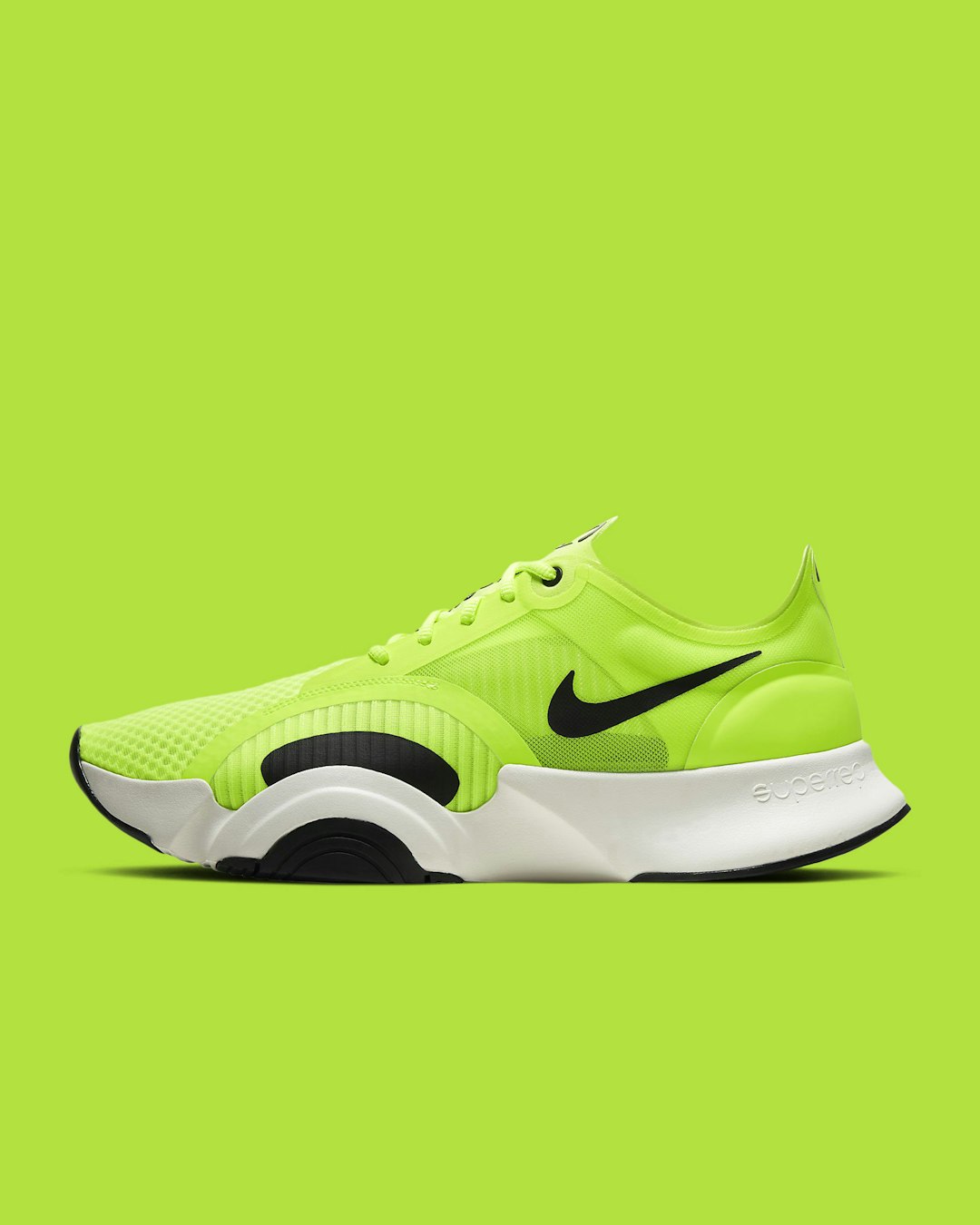
At its core, athleisure celebrates functionality without sacrificing style. The 1990s sneaker, with its bulbous midsoles, mesh panels, and bold color blocking, delivers on both fronts. These shoes were originally engineered for rigorous activity—running, basketball, cross-training—but their robust construction also provides exceptional cushioning and support, making them ideal for all-day wear. Modern wearers are drawn to this blend of utility and visual impact. A chunky sole not only adds height but also creates a grounded, assertive foundation for outfits built around relaxed tailoring, oversized hoodies, or sleek cycling shorts. The silhouette itself becomes a counterbalance to slim or flowing garments, producing a harmonious tension that defines contemporary street style.
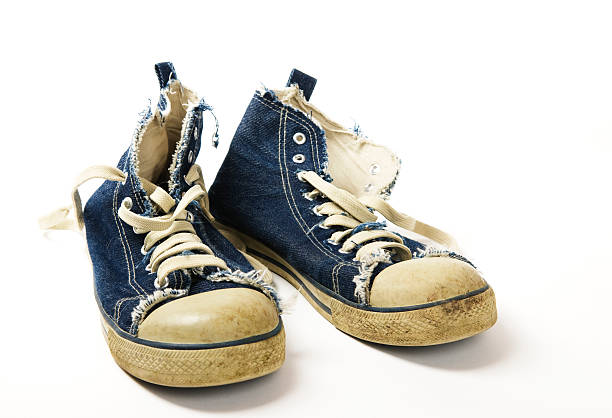
The cultural memory of the 1990s plays an equally important role. That era saw sneakers break free from the court and the track to become symbols of rebellion, music, and subcultures. From the rise of hip-hop’s love affair with Fat Albert-style high-tops to the off-duty model look of chunky runners paired with slip dresses, the decade established sneakers as legitimate fashion items. Today’s athleisure draws directly from this well, reinterpreting iconic models—the Nike Air Max 95, the New Balance 990 series, the ASICS Gel-Kayano, and the Reebok InstaPump Fury—through updated materials and colorways. These shoes carry the weight of authenticity, allowing wearers to tap into a shared visual language that signals both retro cool and contemporary awareness.
Beyond aesthetics, the 1990s sneaker silhouette addresses a practical need in athleisure: the demand for effortless versatility. The typical athleisure uniform—soft sweatpants, a cropped tank, and a zip-up jacket—can appear too casual if not anchored by the right footwear. A sleek, minimal sneaker might slip into the background, but a chunky, chiseled shoe draws the eye and elevates the entire ensemble. It transforms a lazy Sunday outfit into a curated statement. This is especially true in the current trend of “normcore” and quiet luxury, where understated clothing relies on accessories to provide character. The chunky sneaker acts as that character, offering texture, weight, and a conversation starter without demanding excessive effort from the wearer.
Moreover, the 1990s influence extends to the way brands collaborate and market sneakers within the athleisure ecosystem. Limited drops, retro reissues, and designer partnerships have turned these silhouettes into collectible commodities. Sneakerheads and casual consumers alike seek out pairs that tell a story—whether it is the original release date, a celebrity endorsement, or a specific colorway tied to a sports history. This collector mindset dovetails naturally with athleisure’s emphasis on personal expression. By choosing a particular retro runner, a person signals their place within a broader cultural tribe, while still maintaining the comfort-first approach that defines the genre.
Fashion runways and high-street retailers have further cemented this relationship. Luxury houses such as Balenciaga, Prada, and Louis Vuitton have borrowed heavily from the 1990s playbook, producing exaggerated dad sneakers that command thousands of dollars. Their adoption validates the silhouette for mainstream athleisure, trickling down into affordable brands like Adidas, Puma, and Fila. The result is a diverse marketplace where a vintage-inspired trail shoe can coexist with a sleek merino wool jogger, creating a outfit that works for brunch, a casual meeting, or a walk in the park.
Yet the true genius of the 1990s sneaker in athleisure lies in its genderless appeal. The chunky shape flatters a wide range of body types and style preferences, often blurring traditional masculine and feminine codes. Men and women alike pair these shoes with wide-leg trousers, denim skirts, or cycling shorts, making them a unifying force in contemporary dressing. This inclusivity aligns perfectly with athleisure’s core promise: apparel that adapts to the wearer, not the other way around.
As fashion continues to cycle through decades, the 1990s sneaker silhouette feels less like a passing trend and more like a permanent fixture in the athleisure vocabulary. Its combination of comfort, cultural resonance, and visual boldness ensures it remains relevant even as new micro-trends emerge. Whether you are chasing a vintage pair on a resale platform or buying a modern reinterpretation from your favorite sportswear brand, you are participating in a lineage that connects the gym, the street, and the wardrobe in a single, iconic step. The chunky sneaker is not just a shoe—it is the bridge between sport and everyday style, and it shows no signs of losing its footing.
Articles