The Lightweight vs Sturdy Debate: Balancing Performance and Durability in Sneaker Design
Every sneaker enthusiast eventually faces a fundamental choice: do you prioritize featherlike weight that lets your feet disappear into the stride, or do you seek the grounded, armored feel of a shoe built to last for years? This tension between lightweight and sturdy construction is not merely a matter of personal preference—it shapes how a sneaker performs, how it ages, and even how it makes you feel when you lace up. Understanding the trade-offs requires looking beneath the surface at the materials, engineering philosophies, and real-world testing that separate the flyweights from the tanks.
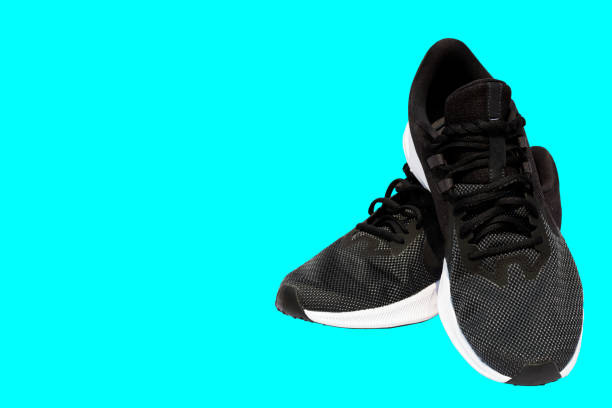
At the heart of lightweight construction lies the relentless pursuit of material reduction and advanced foam technology. Brands achieve low weight by replacing traditional leather with engineered mesh, synthetic yarns, or knit uppers that wrap the foot like a sock. The Nike Flyknit Racer, for instance, tips the scales at under six ounces per shoe, a feat made possible by a one-piece upper that eliminates overlays and stitching. Underfoot, lightweight foams like Nike’s React or Adidas’s Boost provide responsive cushioning while shaving ounces compared to traditional EVA or polyurethane. The result is a sneaker that practically vanishes on the foot, reducing fatigue during long runs, quick cuts, or all-day wear. However, this minimalism comes at a cost. The thin knit upper offers little lateral support and is vulnerable to tearing from sharp edges or aggressive toe drags. The midsole foam, while plush, compresses faster over time, and the outsole rubber is often pared down to save weight, leading to premature wear on the heel and forefoot.
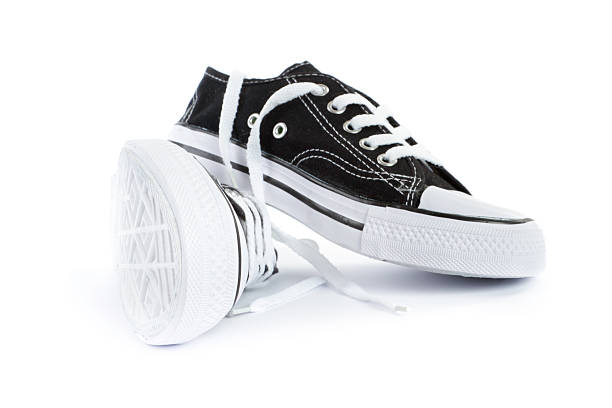
On the opposite end of the spectrum, sturdy construction embraces materials that sacrifice grams for grams of longevity. Leather, suede, and heavy-duty synthetics form the foundation of shoes like the Air Jordan 1 or the New Balance 990. These sneakers often weigh between 14 and 18 ounces per shoe, with multiple layers of padding, stitched overlays, and reinforced heel counters. The payoff is a sense of security and structure that lightweight shoes cannot replicate. The stiff leather upper holds the foot in place, preventing unwanted roll during lateral movements, while the generous foam and rubber outsole absorb impact without bottoming out. In performance testing, sturdy sneakers demonstrate superior durability— they can withstand years of daily wear, occasional abuse from skateboarding or gym sessions, and even resoling without losing their shape. Yet the heft can become a liability. In a sprint or a brisk walk, the extra mass drags on the legs, and the lack of flexibility can lead to hot spots or blisters during prolonged activity.
The most illuminating comparisons come from head-to-head performance testing. In a controlled environment, a lightweight running shoe like the Hoka Clifton 9 versus a sturdy lifestyle model like the Nike Air Force 1 reveals stark differences in energy return and fatigue. The lightweight shoe scores higher on vertical jump efficiency and reduces oxygen consumption during steady-state running by roughly three percent. But on a cobblestone street or a basketball court, the sturdy shoe provides better ankle stability and protects against stone bruising. Shock absorption tests show that heavy sneakers with thick midsoles dissipate more force upon heel strike, but lightweight shoes often allow more of that force to transfer to the joints, increasing long-term injury risk for some users. These results underscore that neither philosophy is universally superior—the ideal shoe depends entirely on the activity.
Sneaker culture further complicates the equation. Collectors often gravitate toward sturdy icons because they age with character. A pair of beat-up Air Jordan 1s with cracked leather and yellowed soles tells a story of use, while a lightweight performance shoe tends to look tired and deflated after a season of hard miles. The resale market reinforces this divide: limited-edition heavyweights often appreciate in value, while even premium lightweight runners rarely fetch more than retail. Nevertheless, the modern trend toward hybrid construction is blurring the lines. Brands now experiment with reinforced knit uppers that combine breathability with targeted stability, and midsoles that layer dense foam carriers under soft top sheets. The Nike ZoomX Vaporfly Next% exemplifies this fusion, achieving a featherlike weight of around 7.5 ounces while incorporating a carbon fiber plate and a thick, resilient foam stack that rivals the durability of heavier trainers.
Ultimately, the choice between lightweight and sturdy construction is a negotiation between performance and permanence. If you chase personal bests, long miles, or the sensation of flying, lightweight sneakers reward you with speed and responsiveness. If you value stability, longevity, and a shoe that withstands real-world abuse, the sturdy path offers peace of mind. The wisest sneakerhead learns to own both, selecting the tool that matches the task. Whether you feel the breeze through a Flyknit upper or the solid thud of a leather heel cup, the weight on your feet is never just a number—it is a philosophy of motion.
Articles