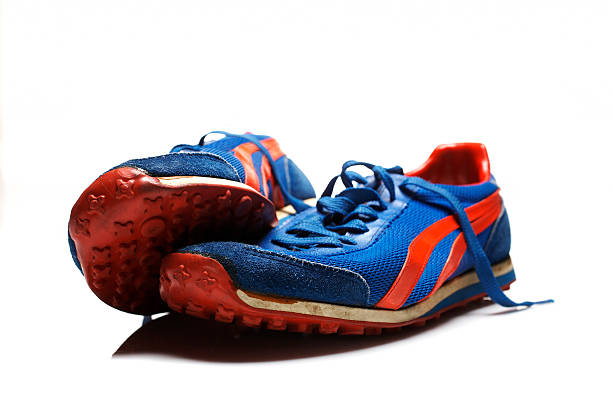
The Meaning of “Deadstock” in Sneaker Culture: More Than Just Old Shoes

In the intricate and high-stakes world of sneaker culture, few terms carry as much weight, reverence, and occasional controversy as “deadstock.“ At its most basic definition, deadstock refers to a sneaker that is vintage, unworn, and in its original, pristine condition, often complete with the original box and all accompanying laces, tags, and inserts. However, to reduce it to this simple description is to miss the profound significance the term holds within the community. Deadstock represents a tangible piece of history, a frozen moment in design and cultural relevance, and a cornerstone of sneaker collecting’s economic and social ecosystem.
The term itself originates from retail, describing old inventory that never sold and was left gathering dust in a stockroom. In sneaker parlance, it was adopted to signify sneakers from past seasons or decades that avoided wear, surviving the passage of time in a state of suspended animation. This preservation is key. A sneaker is only considered true deadstock if it has never been tried on, laced up, or stepped in outdoors. The soles must be immaculate, the midsoles free of the inevitable aging cracks known as “midsole separation,“ and the materials untouched by time’s yellowing effects, though some natural aging of materials is often accepted for very old pairs. This pristine state transforms the shoe from mere footwear into a collectible artifact, akin to a mint-condition trading card or a sealed vintage toy.
The value of deadstock sneakers, both cultural and monetary, is immense. They serve as a direct connection to specific eras in sports, music, and fashion. A pair of deadstock 1985 Chicago Air Jordan 1s is not just a red and white shoe; it is a relic from the dawn of Michael Jordan’s legendary career and the birth of a multi-billion dollar subculture. For collectors, owning a deadstock pair represents the ultimate acquisition—the closest one can get to time-traveling to the original release. Consequently, the market for such items is staggering. Deadstock sneakers often command astronomical prices at auction houses and on resale platforms, with rare models selling for tens or even hundreds of thousands of dollars. This economic reality has turned sneaker collecting into a serious investment venture, where deadstock is the gold standard.
However, the concept of deadstock is not without its complexities and debates. One central tension lies in the conflict between preservation and purpose. Purists argue that sneakers, as functional objects of design, are meant to be worn and experienced. Keeping them sealed forever can feel antithetical to their very nature. Furthermore, the aging process of materials poses a philosophical and practical dilemma. A 30-year-old pair of sneakers, even if never worn, may have brittle glues and foams that will disintegrate upon first wear, leading some to question the point of such preservation. This has given rise to related terms like “New Old Stock” (NOS) or the more nuanced “Deadstock, OG All,“ which acknowledges original condition but may allow for some natural aging.
Ultimately, “deadstock” in sneaker culture is a multifaceted concept. It is a condition, a market driver, and a symbol of nostalgia. It represents a collector’s dedication, a historian’s archive, and a speculator’s asset. The pursuit of deadstock pairs fuels a global economy of hunting, trading, and authenticating, supported by rigorous online communities and expert verification services. It encapsulates the sneakerhead’s passion for history, design, and exclusivity. More than just an old shoe in a box, a deadstock sneaker is a carefully preserved story, a piece of cultural currency, and for those who cherish them, the ultimate trophy in the endless quest for sneaker perfection.
Articles