The New Balance 990: How a Performance Runner Became the Ultimate Dad Shoe Icon
To understand the New Balance 990 is to understand a paradox that defines modern sneaker culture. It is a shoe that was born in the sterile laboratory of performance engineering, yet its legacy is defined by the messy, ironic, and deeply personal world of fashion. In 1982, when New Balance launched the 990, the sneaker industry was obsessed with speed, technology, and breaking world records. The 990 was a direct response to that obsession, but it approached the problem with a distinctly American philosophy. Instead of flashy colors or gimmicky cushioning systems, New Balance opted for an ethos of premium restraint. The shoe cost one hundred dollars at retail, a staggering price that made it the most expensive running shoe ever made. That price was not a marketing gimmick. It was a reflection of a commitment to materials and construction that would, forty years later, make the 990 the definitive object of the dad shoe renaissance.
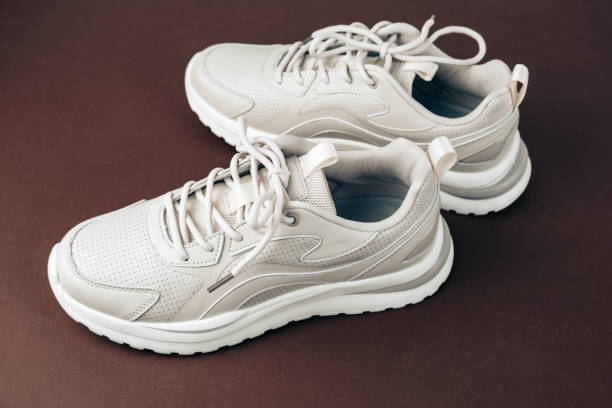
The shoe’s designation as the original premium dad shoe is not a mark of shame but a badge of long-term significance. In the decades following its release, the 990 found its primary audience not on Olympic tracks but on suburban sidewalks. It became the footwear of choice for a generation of American fathers who valued comfort, durability, and a quiet lack of pretense. These were men who did not need to broadcast their identity through their footwear. They needed a shoe that could handle a morning jog, a trip to the hardware store, and an afternoon of lawn care without complaint. The 990’s silhouette, with its generous mesh panels, suede overlays, and a thick, stable sole unit, was designed to accommodate a wide range of foot shapes and pronation patterns. It was orthopedic in the best sense of the word. This practical, unglamorous utility is precisely what made the shoe invisible to fashion for so many years. It was so common, so unremarkable, that it became a visual shorthand for suburban normalcy.
That cultural invisibility, however, became the fuel for its eventual reinvention. The cyclical nature of fashion dictates that what is ignored is often the first thing to be rediscovered. In the early 2010s, a wave of tastemakers and streetwear designers began to look backward, not at the high-tops of the 1980s, but at the orthopedic silhouettes of the 1990s. The dad shoe aesthetic, once the subject of ridicule, was suddenly a radical statement. Wearing a New Balance 990 in a world dominated by sleek, futuristic runners and skinny sneakers was a deliberate act of rebellion against the tyranny of trendiness. It was a way of saying that one possessed the confidence to dress without the approval of the mainstream. The 990’s chunky, undeniably bulky shape became a canvas for this new irony. It was uncool precisely because it was so aggressively comfortable, and that unapologetic comfort became the ultimate cool.
What elevates the 990 from a simple nostalgic throwback to a legitimate Hall of Fame model is the fact that its quality has never wavered. While other brands have revived old silhouettes with cheaper materials and cut corners, New Balance has maintained the 990 line as a testament to American manufacturing. The vast majority of factory production remains in the United States, specifically in Maine and Massachusetts. This commitment to domestic labor and premium materials—the pigskin suede, the breathable mesh, the Vibram rubber outsole—gives the 990 a weight and a substance that is rare in contemporary sneaker production. It feels expensive in the hand, and it holds its shape over years of wear. This tactile quality has resonated deeply with a new generation of sneaker collectors who have grown tired of disposable sneakers and who view durability as a luxury in its own right.
The 990’s journey from the feet of suburban fathers to the runways of Paris and the concrete of Tokyo is a story of authenticity trumping artifice. It is a reminder that a sneaker does not need to be rare or collaborative to be important. It only needs to be so perfectly executed in its original vision that it becomes indispensable. The 990’s multiple iterations, from the 990v2 to the v6, have each refined the formula, but none have betrayed the core design philosophy. That philosophy, of prioritizing feel over flare and longevity over hype, is what secures the 990’s place in the pantheon of greats. It is the shoe that proves a parent’s shoe can be an enthusiast’s grail, and that a commitment to comfort is the most radical statement of all.
Articles