The Nike Cortez: How a 1970s Running Shoe Defines Modern Street Style

There is something almost archaeological about pulling a pair of Nike Cortez out of a box today. The silhouette carries the DNA of a very different era—1972, to be exact, when Bill Bowerman and his team set out to create a lighter, more cushioned running shoe for the American athlete. The design was revolutionary for its time: a soft foam midsole, a herringbone outsole for grip, and a sleek leather upper that promised durability. Fifty years later, that same shape has become a totem of retro running style, not because of its performance credentials—those have long been outpaced by modern carbon-fiber foams—but because of its uncanny ability to bridge the gap between past and present. To wear Cortez today is to participate in a quiet conversation between vintage authenticity and contemporary fashion.
The magic of the Cortez lies in its refusal to scream for attention. Unlike chunky dad sneakers that announce themselves with exaggerated proportions, the Cortez keeps its lines clean and its profile low. The rounded toe, the subtle Swoosh, the exposed foam tongue—these details evoke a hand-drawn quality that feels personal, almost handmade. In an age of hyper-engineered footwear with intricate knit patterns and translucent pods, the simplicity of the Cortez is its greatest weapon. Stylists have recognized this for years. Pair them with a wide-leg wool trouser and an oversized blazer, and the sneaker becomes an anchor of quiet confidence. Let them peek out from under a pair of cuffed selvedge jeans, and they instantly lend a lived-in, off-duty aura that no pristine white common project can replicate.
Part of the Cortez’s longevity stems from its deep cultural rooting. It was the shoe of choice for the 1984 Olympic trials, but it also found a second life on the streets of Los Angeles and New York, adopted by Chicano communities, breakdancers, and hip-hop pioneers. That dual identity—athletic and countercultural—makes it a chameleon in modern wardrobes. When you lace up a pair today, you are carrying a fragment of that history. The way the leather creases over time, the way the foam compresses under the heel, these are not flaws but badges of character. In an era obsessed with patina and narrative, the Cortez offers a built-in story every time you step out.
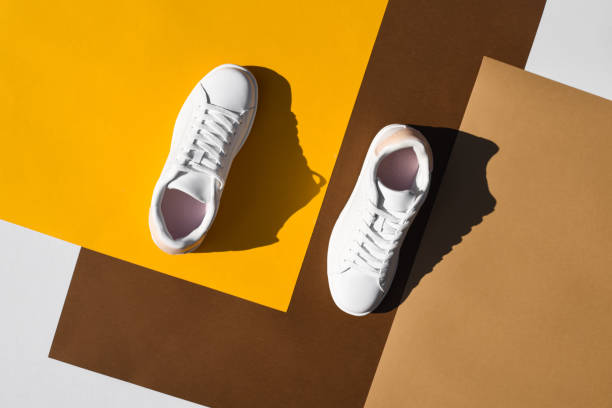
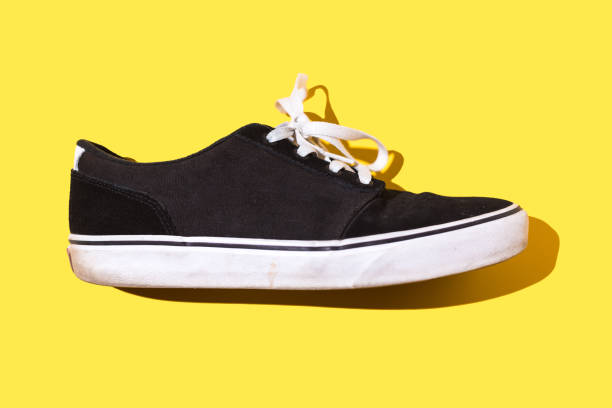
The challenge, of course, is to integrate such a vintage piece without falling into a costume-like nostalgia. The key lies in contrast. A crisp white Cortez works beautifully against a black technical shell jacket and cargo pants, mixing old-world softness with futuristic utility. An all-black pair can ground a monochromatic outfit of charcoal cashmere and raw denim, providing a tactile break from sleek fabrics. For the bolder dresser, the Cortez in its original red-and-white colorway can serve as the single pop of color in an otherwise muted palette of beige and olive. The goal is not to replicate a 1970s outfit but to let the shoe act as a historical artifact that comments on the present.
There is also something democratic about the Cortez. Unlike limited-run retro runners that command four-figure resale prices, the Cortez remains accessible. Nike has kept it in production for decades, releasing it in countless colorways while preserving the core last. This availability means that style becomes a matter of choice, not of luck or budget. You can buy a pair off the shelf, wear them into the ground, and buy another—the same model, the same experience. That reproducibility is rare in sneaker culture today, where hype cycles can turn a silhouette into a ghost within months. The Cortez persists because it was never designed to be rare. It was designed to be worn.
In practical terms, styling a retro running shoe like the Cortez requires an understanding of proportion. The low profile means it works best with trousers that taper or crop at the ankle, revealing the full shape. If you prefer wider legs, a slight cuff or a pinroll can achieve the same effect. Socks become important: a thin no-show sock keeps the line clean, while a thicker ribbed sock can add a touch of vintage prep sensibility. For women, the Cortez pairs surprisingly well with midi skirts and slip dresses, creating a juxtaposition of delicate fabric and sturdy leather that feels very current. The sneaker’s flat sole and rounded toe also echo the shape of ballet flats, making it a natural companion to feminine silhouettes.
What ultimately makes the Cortez a masterclass in retro running style is its refusal to be frozen in time. It is not a museum piece. It is a living shoe that has evolved with every generation that has worn it. Today, you see them on fashion week attendees in Paris and on skaters in Tokyo, on university students and on creative directors. That breadth of appeal cannot be manufactured. It comes from a design so honest and functional that it transcends its original purpose. The Cortez reminds us that a sneaker does not need to be the fastest, the lightest, or the most expensive to be the most relevant. It needs only to be the one that feels right when you step into it. And that feeling, once you have it, is impossible to outgrow.
Articles