The Power of Activated Charcoal in Sneaker Deodorization
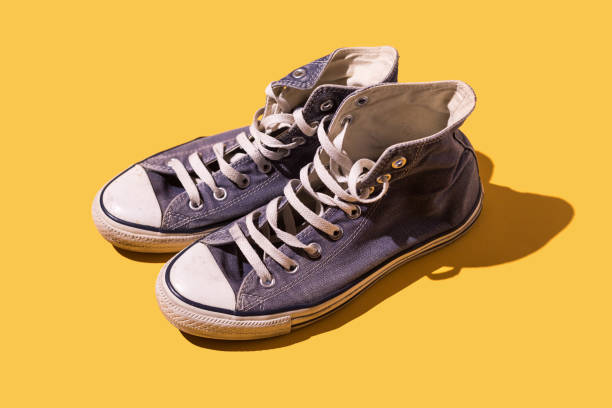
Sneakers endure a daily gauntlet of heat, moisture, friction, and bacteria. Each step compresses foam midsoles, traps sweat in fabric linings, and creates a humid microclimate inside the shoe. Over time, this environment becomes a breeding ground for microorganisms that break down organic matter—skin cells, oils, and perspiration—into volatile compounds. The result is the unmistakable, pungent odor that haunts even the most beloved pairs. While commercial sprays and powders offer temporary relief, many enthusiasts seek a sustainable, chemical-free solution that neutralizes odors without masking them. Enter activated charcoal, a porous, naturally odor-absorbing substance that has become a cornerstone of proper sneaker deodorization.
Activated charcoal is not the same charcoal used in grills or art supplies. It is produced by heating carbon-rich materials—such as coconut shells, wood, or peat—in the presence of a gas that creates an extensive network of tiny pores. This process dramatically increases the surface area of the material. A single gram of activated charcoal can have a surface area exceeding one thousand square meters, roughly the size of a football field. This vast internal landscape is what makes activated charcoal so effective at trapping odor molecules. When placed inside a sneaker, the charcoal acts as a molecular sponge, adsorbing volatile organic compounds, moisture, and even some bacteria onto its surface through weak intermolecular forces known as van der Waals interactions.
The beauty of activated charcoal lies in its passive, non-invasive action. Unlike sprays that contain fragrances, enzymes, or antimicrobial agents, activated charcoal does not introduce new chemicals into the shoe. This is particularly important for sneaker collectors and enthusiasts who care about preserving the original materials of their footwear. Polyeurethane midsoles, mesh uppers, suede overlays, and leather linings can all be damaged over time by repeated application of liquid deodorizers or alcohol-based sprays. Activated charcoal sachets or inserts require no direct contact with the shoe material; they sit inside the sneaker and work silently, often for months, without any risk of staining, drying out, or degrading adhesives.
To maximize the deodorizing power of activated charcoal for well-worn sneakers, placement and preparation matter. The most common method is to use small fabric pouches filled with granular activated charcoal. These pouches can be slipped into each sneaker after a day of wear and left overnight or during storage. For severe odor problems, the charcoal can be supplemented with a brief period of direct air circulation. Removing the insoles and allowing them to dry separately, then placing the charcoal pouches directly against the insole bed, targets the area where moisture and bacteria concentrate most heavily. Some enthusiasts also use loose charcoal in a shallow dish placed inside a closed shoe box, but this is less effective than direct insertion because the adsorption gradient is strongest close to the source of the odors.
Activated charcoal does have a finite lifespan. As the pores become saturated with adsorbed molecules, the material gradually loses its effectiveness. The rate of saturation depends on the humidity level, the intensity of the odors, and the duration of exposure. In typical use, a charcoal pouch can remain active for two to six months. Many brands produce rechargeable activated charcoal products that can be reactivated by heating. The heat forces the trapped molecules to desorb, freeing up the pore space for continued use. This is done by placing the pouch in an oven set to a low temperature, around two hundred degrees Fahrenheit, for an hour or two. This process can be repeated multiple times, making activated charcoal a remarkably cost-effective and sustainable choice for long-term sneaker care.
Beyond the practical benefits, using activated charcoal aligns with a broader philosophy of sneaker maintenance that prioritizes preservation over aggressive intervention. Each pair of sneakers tells a story of miles walked, games played, and urban adventures shared. Deodorizing with activated charcoal respects that history by removing the unwanted byproducts of wear without obliterating the patina or altering the natural character of the materials. For the sneaker enthusiast who values both freshness and authenticity, this method offers a quiet, reliable solution that works in the background, allowing the sneakers themselves to remain the focus.
In an era where quick fixes and synthetic fragrances dominate the consumer market, activated charcoal stands out as a humble yet powerful tool. It requires no electricity, no batteries, and no chemical reactions. It simply relies on the fundamental physics of adsorption to restore balance to the microclimate inside a sneaker. For those who rotate multiple pairs, travel frequently, or train in humid environments, a set of charcoal pouches is an essential accessory that travels seamlessly from gym bag to closet shelf. The result is not just fresher sneakers, but a deeper appreciation for the science and simplicity behind effective shoe care.
Freshness Sneakers
Articles