The Power of Silhouette: Matching Sneaker Shapes to Outfit Lines
The most common mistake in streetwear styling is treating sneakers as a standalone statement rather than an integral part of an outfit’s overall silhouette. While color coordination and brand alignment receive endless attention, the true art of building outfits around kicks lies in understanding how the shape, volume, and weight of a shoe interacts with the lines of pants, tops, and outerwear. A chunky dad shoe demands an entirely different approach than a sleek running silhouette, and recognizing these structural relationships is what separates a cohesive look from a costume.
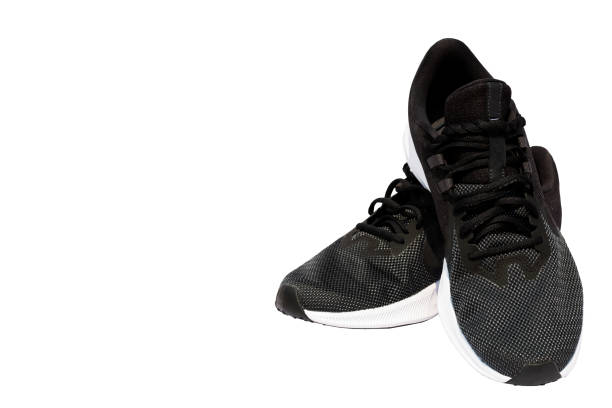
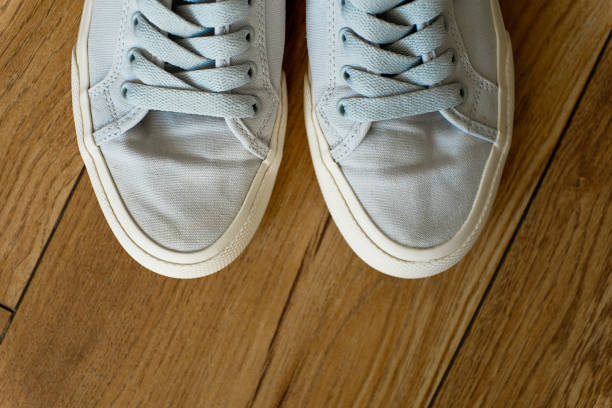
Consider first the impact of sole thickness and toe shape. A bulbous, oversized sneaker such as a Balenciaga Triple S or a Hoka hiking boot creates a visual anchor near the ground. When paired with slim or tapered pants, the contrast can generate an exaggerated, cartoonish proportion that some streetwear enthusiasts actively seek. However, for a more balanced execution, wide-leg or straight-cut trousers that fall with some weight over the shoe’s structure allow the bulk to feel intentional rather than disjointed. The eye travels from the wide hem down to the broad sole, and the line remains uninterrupted. Conversely, a sleek low-top like an Adidas Samba or a Common Projects Achilles demands a closer fit. Here, cropped trousers that break just above the ankle or a slight cuff on raw denim reveal the shoe’s clean contour. The goal is to let the sneaker’s streamlined shape extend the leg line without visual clutter.
Beyond pants, the upper body must harmonize with the sneaker’s mass. Heavy, cushioned soles and padded collars draw visual weight downward, so a top-heavy silhouette—think an oversized hoodie with dropped shoulders layered over a bulky jacket—can create a top-heavy imbalance unless the sneaker is equally substantial. A good rule of thumb is that the volume of the sneaker should find an echo in the volume of the outer layer. A puffa jacket or a thick workwear chore coat pairs naturally with a chunky sneaker, while a fitted leather jacket or a thin nylon windbreaker looks best with a low-profile or retro runner. The relationship is not about matching shapes exactly but about ensuring the eye moves through the figure without abrupt jumps in scale.
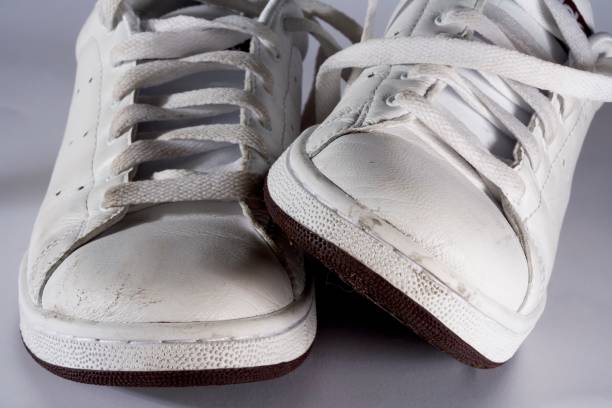
Texture also plays a crucial role in silhouette perception. A sneaker made of mesh, nylon, or synthetic materials will appear lighter and more athletic, even if the sole is thick. This optical lightness can be leveraged to pair with utilitarian cargo pants or technical fabrics without feeling heavy. Leather and suede sneakers, on the other hand, carry a denser visual weight that often aligns better with denim, corduroy, or wool trousers. When building an outfit, consider the fabric weight of each component: a chunky knit sweater with a bulky leather sneaker might feel overbearing, whereas a chunky knit with a mesh sneaker creates a pleasing tension between warmth and breathability.
Color blocking introduces another layer. Monochromatic outfits allow the sneaker silhouette to become the defining structural element of the entire look. A head-to-toe black ensemble with a white-soled chunky sneaker puts the sole’s thickness on display as a graphic line. Similarly, tonal layering in earth tones paired with a minimalist white sneaker shifts focus to the shoe’s shape rather than its color. When high-contrast colors are used, the silhouette can become muddied if the sneaker’s shape does not match the boldness of the palette. A bright red sneaker with a sharp, pointed toe and a thin sole can look precise and aggressive; the same color on a round-toed dad shoe might feel clownish. The silhouette must carry the confidence that the color demands.
Proportion extends to accessories. A heavy chain or a crossbody bag worn across the chest can split the torso visually, which may work well with a low-profile sneaker that keeps the lower half clean. With a bulky sneaker, the lower half already commands attention, so accessories should be kept minimal or moved to the side of the body to avoid a cluttered vertical line. Hats can also influence the silhouette: a wide-brimmed bucket hat adds horizontal width up top, which can balance a wide sneaker if the rest of the outfit is tapered, but a beanie pulls the eye upward and narrows the head, making a chunky sneaker feel even more bottom-heavy.
Ultimately, the most effective streetwear outfits treat the sneaker as a sculptural element within a larger composition. The best pairings do not simply complement the shoe’s color or brand but respond to its physical presence. Whether the goal is to elongating the figure, building a powerful stance, or creating a relaxed flow, the underlying principle remains constant: every line in the outfit should either echo, contrast with, or smoothly transition into the lines of the footwear. When this logic is applied, the sneaker ceases to be an accessory and becomes the foundational architectural piece around which everything else is built.
Articles