The Psychology of Sneaker Leaks: Why We Crave Unconfirmed Spy Shots

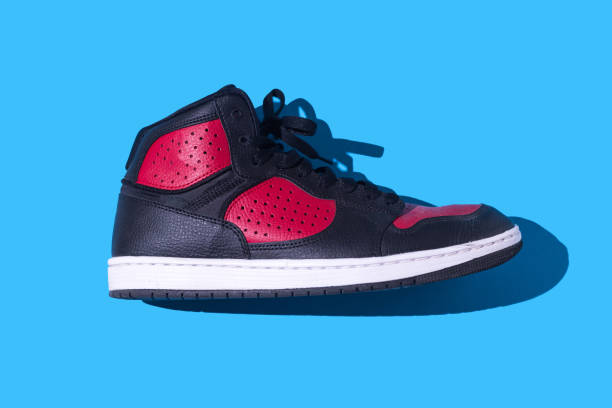
Every sneakerhead knows the jolt of electricity that comes from a grainy, low-resolution photograph posted on a random Twitter account at 2 a.m. The image shows what might be a new colorway of a coveted silhouette, but the lighting is poor, the angle is awkward, and the authenticity is impossible to verify. Yet within minutes, the sneaker community erupts. Discussions flood forums, speculative release dates are shared, and hopes are pinned on a single blurry pixel. This phenomenon is not merely about shoes; it is a deep psychological engagement with anticipation, scarcity, and the human desire for exclusive knowledge. Understanding why unconfirmed spy shots hold such power over collectors reveals the intricate emotional machinery that drives sneaker culture itself.
At its core, the allure of an unverified leak taps into the brain’s reward system. Neuroscientific research shows that uncertainty amplifies the release of dopamine, the neurotransmitter associated with pleasure and motivation. When a consumer sees a suspected authentic spy shot, the brain does not simply register the image of a sneaker. Instead, it processes a puzzle: is this real? Will it release? Can I get it? The ambiguity transforms a passive viewing experience into an active mental game. Each subsequent rumor, each conflicting report, and each new angle posted by a different source heightens the stakes. The eventual confirmation—or disappointment—releases a wave of emotion far stronger than if the information had been presented plainly. This is why sneakerheads refresh pages obsessively, why they dissect every pixel for clues about material texture or stitching patterns, and why they develop deep loyalties to certain leakers while distrusting others. The high is in the hunt, not just the catch.
Another psychological driver is the concept of social currency. In the sneaker community, being among the first to share a credible leak bestows status and credibility. The person who identifies a fake spy shot or correctly predicts a release window earns respect from peers. This dynamic creates a feedback loop where leakers, influencers, and enthusiasts all compete to provide the earliest or most accurate information. Even the act of evaluating a spy shot—comparing it to known factory samples, cross-referencing serial numbers, or analyzing the background of the photograph—becomes a performative skill. Collectors who can quickly flag a Photoshop error or a reused stock image are celebrated as detectives, while those who fall for obvious fakes risk losing face. Thus the evaluation process is not just about truth-seeking; it is about identity and reputation within a tight-knit but vast global community.
Scarcity also plays a crucial role in the psychology of unconfirmed leaks. Sneaker brands deliberately cultivate an aura of limited availability through controlled drops, exclusive collaborations, and surprise releases. When a spy shot appears, it offers a glimpse behind the curtain that the brand has not officially lifted. That unauthorized preview feels more valuable than any official announcement because it is clandestine. The collector experiences a sense of insider access, as if they have stumbled upon a secret that the general public has not yet discovered. This illusion of exclusivity is powerful even when the leak is widespread and shared by thousands. The emotional investment grows stronger when the leak is ambiguous because the possibility of being misled adds a layer of risk that makes the eventual payoff—or letdown—more intense.
Yet the psychology is not purely positive. Incessant engagement with leaked speculation can also breed anxiety, cynicism, and burnout. Chronic exposure to fake leaks desensitizes the community, making it harder to trust any source. The same dopamine cycle that fuels excitement can also produce disappointment when a spy shot proves fraudulent or when a highly anticipated design never materializes. Some collectors develop a defensive skepticism, dismissing all leaks until officially confirmed, but this stance often isolates them from the communal thrill. Others become addicted to the chase, spending hours sifting through low-quality images and forum posts at the expense of real-world connections. The emotional roller coaster of release rumors mirrors the broader economy of hype that drives sneaker culture—a system where anticipation is both the product and the price.
The social media environment amplifies these dynamics further. Algorithms prioritize engagement, and nothing generates clicks and comments like a controversial leak. Platforms like Instagram and X thrive on unconfirmed information because it encourages speculation, arguments, and shares. The very format of a spy shot—often a single image with no context—invites endless debate. Is that a new Jordan 1 low or a custom? Is the colorway a sample that was scrapped or an upcoming release? These questions become the fuel for hours of digital conversation. The website that chronicles and evaluates these rumors, therefore, serves a dual role: it acts as a curator of information and as a psychological anchor for a community navigating uncertainty.
Ultimately, unconfirmed spy shots are far more than previews of future products. They are emotional artifacts that distill the core tensions of sneaker culture: exclusivity versus community, doubt versus certainty, hope versus skepticism. Every grainy photo carries the weight of a collective fantasy. When a sneakerhead scrutinizes a leak, they are not just looking at a shoe; they are projecting their own desires, fears, and social ambitions onto a piece of rubber and leather. The evaluation of a spy shot becomes a mirror reflecting the values of the scene—the hunger for rare knowledge, the joy of decoding, and the bitter taste of false promises. To understand why we obsess over these images is to understand why we collect sneakers at all: not merely for the object, but for the story, the chase, and the identity that each unreleased pair potentially represents.
Articles