The Reebok Instapump Fury: How a 90s Running Shoe Became a Modern Style Staple
In the ever-evolving landscape of sneaker fashion, few silhouettes have enjoyed a second life as triumphant as the Reebok Instapump Fury. Originally unleashed in 1994 as a high-performance running shoe, its deliberately unconventional design—a seamless neoprene bootie, a plastic heel cage, and an inflatable lacing system—seemed almost otherworldly at the time. Today, that same avant-garde aesthetic feels perfectly at home on city streets alongside tailored trousers, cargo pants, and minimalist dresses. The Instapump Fury’s journey from radical runner to contemporary style icon encapsulates the enduring power of retro running sneakers to anchor modern outfits with a sense of history, audacity, and effortless cool.
The shoe’s genesis was rooted in a specific problem: how to achieve a truly custom fit without traditional laces. Reebok’s answer was the Pump technology, a button on the tongue that, when pressed, inflated air chambers inside the upper to mold the shoe to the wearer’s foot. But the design team didn’t stop there. They stripped away unnecessary layers, exposing the underlying structure with a carbon-fiber-like Hexalite cushioning window and a bold hexagon pattern. The result was a shoe that looked like it had landed from a sci-fi film set. For runners, it offered lightweight support and unprecedented adjustability. For the fashion world, it offered something far more valuable: a statement.
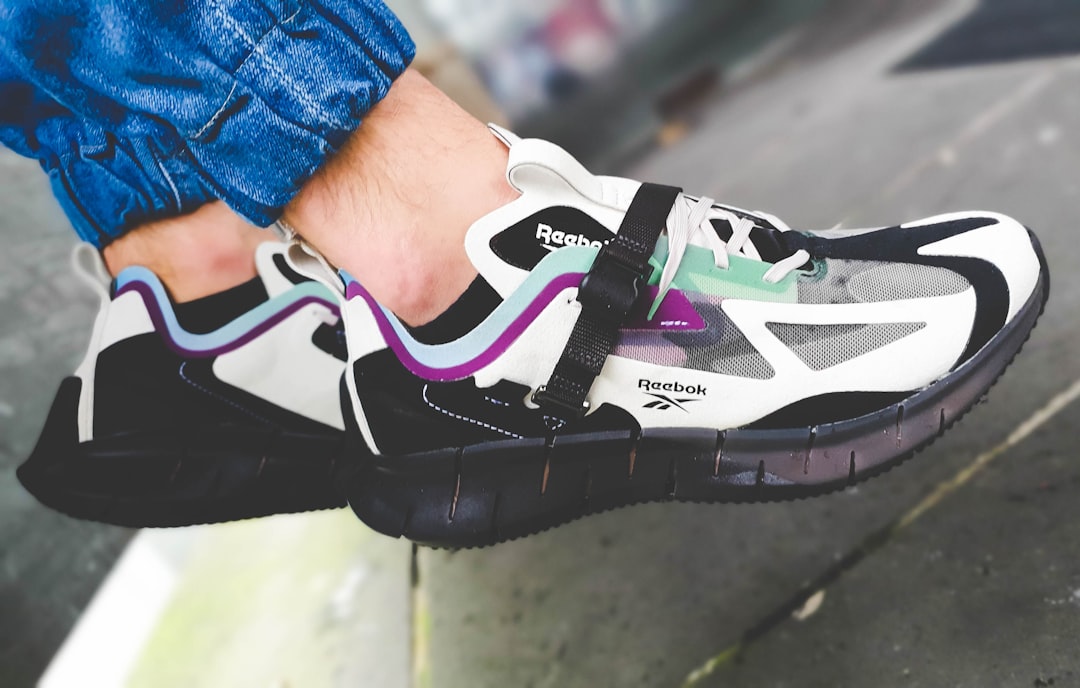
That statement has aged remarkably well. The Instapump Fury’s chunky, layered silhouette aligns seamlessly with the current obsession with 1990s and Y2K aesthetics. Where many retro runners rely on subtle retro cues like suede overlays and mesh panels, the Fury leans into its own loudness. The neoprene bootie gives it a sleek, sock-like fit that pairs beautifully with cropped trousers or shorts, allowing the shoe to become the centerpiece of an outfit. The exaggerated heel unit and plastic cage add a structural, almost industrial quality that resonates with techwear and avant-garde streetwear enthusiasts. A simple monochrome outfit—black jeans, a white tee, an oversized blazer—becomes instantly more interesting when anchored by a pair of bright yellow or neon green Instapump Furys.
Stylists and influencers have embraced this versatility. On one end of the spectrum, the Fury complements utilitarian cargo pants and a technical shell jacket, leaning into its performance heritage. On the other, it adds a playful jolt to feminine silhouettes like a slip dress or a midi skirt and chunky knit. The key is contrast: the shoe’s aggressive lines and bold colors work best when paired with simpler, cleaner pieces. Unlike a classic white sneaker that fades into the background, the Instapump Fury demands attention and rewards those who build an outfit around it. Even neutral colorways—black, grey, or the iconic “Citron” yellow—retain the shoe’s signature punch thanks to its unique construction.
The cultural cachet of the Instapump Fury cannot be overstated. It debuted during a golden era of sneaker innovation, alongside the Nike Air Max 95 and the Asics Gel-Kayano Trainer, but it stood apart because of its sheer weirdness. It was adopted early by ravers and club kids in the UK, then by Japanese streetwear pioneers like Hiroshi Fujiwara and Jun Takahashi, who saw it as a canvas for collaboration. Reebok has since released countless limited-edition colorways and partnerships with brands like Maison Margiela, Vetements, and Bape, cementing the Fury’s status as a collector’s item. These high-fashion collaborations have also trickled down to the mainstream, making the shoe more desirable than ever for those seeking a retro runner that still feels fresh.
Part of the Fury’s modern appeal is its refusal to be pigeonholed. While many retro running shoes evoke nostalgia for a specific era—the Nike Cortez is the 1970s, the Air Max 90 is the early 1990s—the Instapump Fury feels almost timeless because it was always looking forward. Its futuristic design language means it doesn’t look like a relic; it looks like a conscious choice. This makes it a favorite among sneakerheads who want to honor the past without dressing in costume. Wearing a pair of Instapump Furys in 2025 is not about reliving the 1990s but about celebrating a piece of design that was ahead of its time and still hasn’t been replicated.
For those new to integrating retro runners into their wardrobe, the Reebok Instapump Fury offers a low-risk entry point to high-impact style. Its availability in both original colorways and updated materials means there is a version for every aesthetic. The shoe’s bulbous profile and visible technology can be intimidating, but that is precisely its strength. It forces the wearer to step out of the safe zone of white leather sneakers and into a world of intentional fashion. Whether paired with wide-leg jeans and a vintage band tee or with tailored trousers and a cashmere sweater, the Instapump Fury proves that the most enduring retro running shoes are those that never truly look retro at all.