The Rise of Retro Running Sneakers in Modern Athleisure
The athleisure aesthetic has fundamentally reshaped how we dress, blurring the lines between performance gear and everyday clothing. At the heart of this shift lies a surprising protagonist: the retro running sneaker. Once consigned to gym bags or nostalgia-fueled collections, these chunky, often colorful silhouettes have become the default footwear for coffee runs, office commutes, and casual dinners. Their journey from track to street is not just a story of design revival but a testament to how comfort and history can coexist with contemporary style.
The appeal of retro running sneakers in athleisure is rooted in their contradictions. They are bulky yet versatile, rooted in the 1970s and 1980s but perpetually modern. Brands like New Balance, Asics, Saucony, and Brooks have seen their archival models—the 990 series, the Gel-Lyte III, the Shadow 6000—catapulted into unexpected relevance. What makes them work in the athleisure context is their ability to anchor an outfit without screaming for attention. A pair of cream New Balance 993s can ground a sleek track pant and an oversized blazer, while a neon-accented Asics Gel-Kayano 14 adds a deliberate pop of color to an otherwise monochrome ensemble. This is not the sneaker of the court or the trail; it is the sneaker of the sidewalk café.
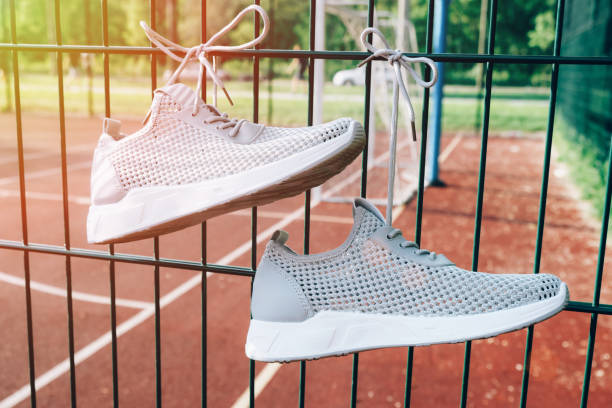
The technical features that once served marathoners—EVA midsoles, gel cushioning, mesh uppers—now serve the daily commuter. The very characteristics that made these shoes functional for running make them ideal for all-day wear. A cushioned heel and a breathable upper are no longer just performance attributes; they are lifestyle luxuries. In a wardrobe dominated by stretch fabrics and relaxed fits, the retro runner provides both physical comfort and visual continuity. It is the logical shoe for a generation that prioritizes mobility and ease without sacrificing taste.
This trend also reflects a deeper cultural shift in how we value authenticity. Retro running sneakers carry a patina of history. They are not the latest hyped collaboration but rather enduring designs that have weathered decades of changing fashions. Wearing them signals an appreciation for heritage—a quiet nod to the original athletes and engineers who developed these shoes for rigorous use. In the age of fast fashion and disposable drops, there is a certain rebelliousness in choosing a model that has barely changed since 1982. The sneaker’s story becomes part of the wearer’s story, a subtle statement that style need not be dictated by the newest release calendar.
The athleisure aesthetic thrives on fluidity between categories, and retro runners excel in this space. They pair equally well with nylon joggers, cuffed jeans, linen trousers, and even midi skirts. The chunky sole adds structure to soft, flowing fabrics, while the mesh and suede uppers introduce texture against smooth synthetics. Stylists have embraced this versatility, layering a retro runner over wool socks with a tailored coat or wearing them under wide-leg denim. The shoe’s inherent bulk can even create a desirable silhouette by visually grounding a voluminous top. The result is a look that feels intentional rather than sloppy, elevated yet effortless.
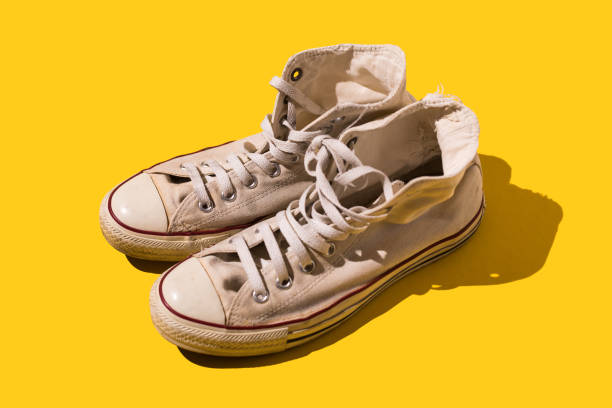
Sustainability has also fueled the retro runner’s reign. Many consumers are seeking out deadstock pairs, thrifted finds, or reissued models from brands that prioritize longevity over trend cycles. The durable construction of these sneakers—built to withstand miles of pavement—means they can endure years of daily wear. In an era where sneaker culture often celebrates the new and the scarce, the retro runner offers an alternative: a shoe that gains character over time, whose scuffs and patina become part of its appeal. This aligns perfectly with the athleisure philosophy of investing in pieces that serve multiple purposes across seasons.
Of course, the retro running sneaker is not without its critics. Some argue that its chunky silhouette is unflattering or that the trend has been co-opted by streetwear hype and inflated resale prices. Yet the diversity of available models—from subtle gray mesh to wild color-blocked panels—ensures that there is an entry point for every taste. The true power of the retro runner lies in its adaptability. It can be the centerpiece of a statement outfit or the reliable anchor of a minimalist wardrobe.
As athleisure continues to evolve, the retro running sneaker remains a constant. It bridges the gap between sport and everyday life without forcing a choice. It honors the past while stepping firmly into the present. Whether you are chasing a bus, catching up with friends, or simply crossing off errands, this shoe moves with you—not as a relic, but as a reminder that the best style is the one that never stops moving forward.
Articles