The Rise of Sneaker Resale in Japan: A Fusion of Street Culture and Obsessive Craftsmanship
Japan holds a singular position within the global sneaker ecosystem, a place where American streetwear, European luxury, and native Japanese design sensibilities converge into a marketplace defined by precision, reverence, and an almost spiritual devotion to the shoe. While the United States birthed sneaker culture and Europe refined its high-fashion crossover, Japan transformed sneaker collecting into something closer to fine art curation. The resale market in Japan, particularly in cities like Tokyo and Osaka, operates with a level of organization, authenticity obsession, and community ritual that distinguishes it from any other regional scene.
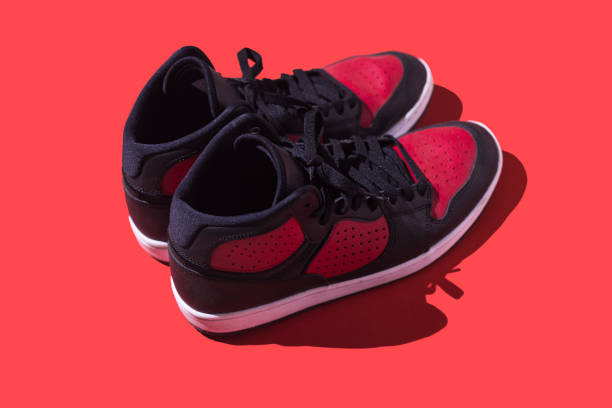
The foundation of Japan’s sneaker resale culture rests on a deep cultural appreciation for craftsmanship and detail. Japanese consumers have long venerated objects that demonstrate meticulous construction and timeless design. Sneakers are no exception. When Air Jordans, Nike Dunks, and New Balance models arrived in Japan, they were not simply consumed as athletic gear but were examined with the same critical eye applied to ceramics, knives, or denim. This mindset created an environment where condition, box quality, and even the tissue paper inside a shoe become part of the valuation. A deadstock pair of Air Jordan 1s in Japan might command a premium not just for rarity but for the immaculate preservation of every secondary element—a phenomenon less pronounced in the resale markets of the United States or Europe.
The resale infrastructure in Japan is remarkably sophisticated. Physical consignment stores such as the iconic 2nd Street, Book Off, and specialized sneaker boutiques like Skit in Harajuku operate with a level of meticulous grading that rivals major auction houses. Each pair is photographed, inspected, and priced according to a standardized condition scale that includes Japanese terminology for wear, discoloration, and sole tread depth. This system builds a foundation of trust that fuels the secondary market. Buyers know that a pair rated “A” in Osaka will match a pair rated “A” in Shibuya. This transparency has allowed the resale community to flourish without the same degree of counterfeit anxiety that plagues other regions, although fakes do exist, and authentication services in Japan are correspondingly rigorous.
Community in Japan’s sneaker resale scene is built around physical spaces and face-to-face transactions to a degree less common in the West. While online platforms like Mercari and Yahoo! Auctions Japan are massive, the real soul of the culture lives in meetups, pop-up events, and the back-alley sneaker shops of Ura-Harajuku. Collectors gather not only to buy and sell but to share stories about release day conquests, to examine each other’s grails under fluorescent lights, and to pass along knowledge about upcoming drops from Nike Japan, Atmos, and local collaborators like UNDEFEATED Tokyo. These gatherings often feel more like club meetings than commercial exchanges. The ritual of the transaction—the bow, the careful handing over of the box, the mutual examination of the shoe—elevates the resale moment into a respectful exchange between connoisseurs.
Regional differences within Japan are also notable. Tokyo’s resale market is the epicenter, driven by fast-paced trend cycles and the influence of global streetwear magazines and Instagram accounts. Osaka, by contrast, cultivates a more laid-back, vintage-oriented sneaker culture where older models from the 1990s and early 2000s are celebrated alongside modern releases. Sapporo and Fukuoka offer smaller but tightly knit communities where local sneakerheads often drive demand for specific colorways that never quite catch fire in the capital. These regional micro-scenes create price disparities that savvy collectors exploit, buying in one city and selling in another.
A significant driver of Japan’s resale market is the country’s long-standing love affair with limited collaborations. Japanese boutiques like Atmos, Bodega (though originally US-based, its influence is huge), and mita Sneakers have partnered with Nike, Adidas, and New Balance to produce some of the most coveted sneakers in history—the Atmos Air Max 1 “Elephant,” the mita Sneakers ASICS Gel-Lyte III, and countless others. These releases create an immediate aftermarket frenzy. The resale prices for these Japan-exclusive collaborations often exceed those of general releases, but the community generally accepts this premium because it recognizes the artistry and cultural significance of the collaboration. Rather than resenting high prices, Japanese collectors tend to view them as a marker of taste and dedication.
The future of Japan’s sneaker resale scene faces challenges, particularly from the global shift toward digital-first platforms and the increasing presence of international resellers who outbid locals using bots. Yet the core strengths of the Japanese market—its emphasis on condition, its transparent grading systems, its community-centered physical spaces, and its deep aesthetic appreciation for the object itself—are likely to endure. Other regions may chase volume and speed, but Japan remains the destination where sneaker resale is still, at its heart, about honoring the shoe.
Articles