The Role of Outriggers and Wide Bases in Preventing Ankle Roll During Court Sports
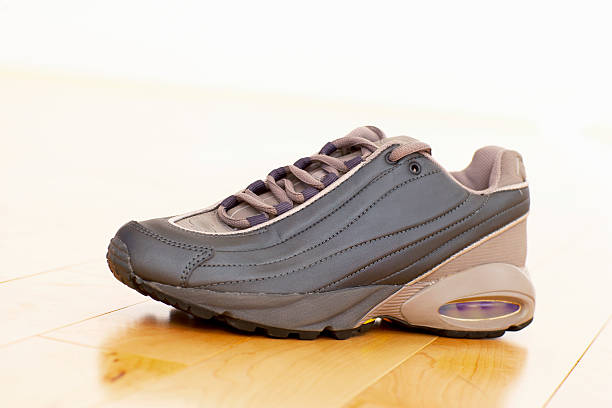
Lateral support is not one feature but a system of geometry, materials, and construction working together. Ankle roll usually happens during a sharp cut, a defensive slide, a landing after a jump, or a lateral lunge when the foot rapidly inverts and the body’s momentum continues outward. The shoe’s job is to keep the foot centered, slow that inversion, and provide a stable platform without making movement feel clumsy. Outriggers and wide bases are among the most important tools for that task. An outrigger is an extension of the midsole or outsole beyond the upper’s lateral edge, often at the forefoot. It creates earlier ground contact when the foot leans outward, giving the athlete a moment to correct balance before the ankle reaches a dangerous angle. A wide base does similar work across the whole platform, increasing the distance between the foot’s center of pressure and the edge of the shoe.
Outriggers are not the same as sidewalls. Sidewalls are raised sections of foam or rubber that wrap up the medial or lateral side of the foot, containing it like a shallow bucket. Outriggers project outward from the sole, widening the support surface. In basketball, tennis, volleyball, pickleball, and badminton, both features appear in different forms. Basketball shoes often use a pronounced lateral forefoot outrigger because players cut, jab, and close out constantly. Tennis shoes may prioritize a stable forefoot and durable drag guards because of repeated lateral stops. Volleyball shoes need heel and forefoot stability for block landings. Training shoes for lateral lunges, shuttle runs, and change-of-direction drills often use a flatter, wider base rather than a tall, soft cushion. The common goal is to reduce the lever arm that can tip the foot inward.
Stack height matters as much as width. A tall, soft midsole can feel comfortable in a straight line, but it raises the foot and increases the distance from the ankle to the ground. That added height gives lateral forces more leverage. Lower stacks, firmer foams, and denser lateral sections can improve stability. However, too firm or too low can reduce comfort and impact protection. Modern performance shoes try to balance these traits with plates, shanks, and geometry. A carbon plate or TPU shank can resist twisting between the forefoot and rearfoot, keeping the shoe from folding under pressure. That torsional rigidity is especially useful in court sports, where the foot constantly shifts between sprinting, stopping, and cutting.
The upper contributes to lateral support, but it cannot fully compensate for a narrow or tippy platform. Synthetic overlays, leather panels, TPU cages, and reinforced lacing systems can lock the midfoot and reduce foot migration inside the shoe. A firm heel counter helps control the rearfoot, while collar padding adds comfort and subtle containment. Lacing matters more than many athletes realize. If the midfoot is loose, the foot slides over the footbed during cuts, which can cause the ankle to roll even when the sole is wide. Ghillie lacing, midfoot straps, and asymmetric eyelet patterns are common solutions. Still, the best upper in the world will struggle if the sole’s lateral edge is too narrow or the foam collapses too quickly.
Traction also shapes lateral stability. An outsole that grips aggressively can help an athlete push off confidently, but excessive edge grip may cause the shoe to catch during a slide or deceleration. The ideal is consistent traction that releases predictably. In performance testing, reviewers often combine objective checks with on-court feel. They measure stack height, width at the forefoot and heel, drop, and durometer. They twist the shoe, press the lateral side, and check heel counter stiffness. Then they test it through lateral cuts, defensive slides, side lunges, jab steps, and landing drills. The best evaluations notice how the shoe behaves when the athlete is tired, because fatigue exposes weak stability.
Different sports place different demands on lateral support. Basketball rewards forefoot outriggers, heel containment, and torsional strength for hard cuts. Tennis needs lateral durability and stability during open-stance strokes. Volleyball demands secure landings from blocks and approaches. Training sports require a wide, stable base for lateral lunges, sled pushes, and agility work. A shoe built for straight-line running may feel fast and soft, but it often lacks the lateral structure needed for court movement. That is why cross-training and court shoes use wider platforms, firmer lateral foams, and reinforced uppers. They sacrifice some lightness and flexibility for control.
Choosing a stable shoe means looking beyond marketing claims. A visible outrigger, a wide forefoot, a firm lateral midsole, a secure heel, and a torsionally rigid midfoot are strong indicators. Fit is equally important. The foot should be locked without being pinched, and the heel should sit deep in the collar. Replace shoes when the outsole wears unevenly or the foam packs out, because lateral support degrades before the upper looks worn. The best lateral support is never one specification. It is the sum of outriggers, wide bases, firm foams, torsional shanks, secure uppers, and predictable traction working together to keep the athlete balanced, confident, and injury-resistant during the unpredictable sideways moments that define court and training sports.
Articles