The Role of Traction Patterns in Hiking Sneaker Performance
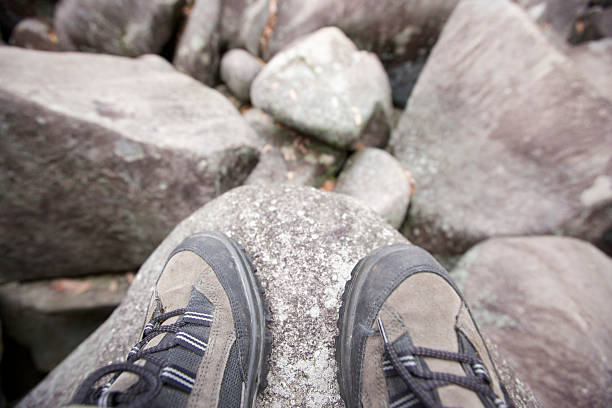
The modern hiking sneaker has undergone a remarkable transformation from heavy, rigid boots into lightweight, agile footwear capable of handling technical terrain with surprising comfort. Yet amid all the advances in cushioning, breathability, and waterproof membranes, one feature remains paramount for safe and efficient movement on the trail: the outsole traction pattern. A hiking sneaker’s sole is its point of contact with the earth, and the design of that contact surface determines whether a hiker glides confidently over loose scree, clings to wet rock, or slips into an unexpected fall. Understanding how traction patterns work—and why they vary across different trail conditions—is essential for anyone who wants to choose the right sneaker for their outdoor adventures.
Traction begins with the geometry of the lugs, the raised tread elements that dig into the ground. Deeper, more widely spaced lugs are typically found on sneakers designed for soft, muddy, or loose surfaces. When a hiker steps onto a patch of wet clay or a layer of decomposed granite, these aggressive lugs penetrate the surface and create purchase by displacing material. The spacing between lugs also plays a critical role: if the gaps are too narrow, mud and debris pack into the tread, turning the outsole into a slick, featureless slab. Conversely, overly wide spacing can reduce the number of contact points on hard, flat terrain, compromising stability. Many hiking sneaker manufacturers therefore employ a multi-directional lug arrangement, with chevron-shaped patterns that channel mud outward and provide bite during both forward motion and lateral scrambling.
The rubber compound itself is equally important. Soft rubber generates higher friction on smooth surfaces like wet rock or polished granite, but it wears down quickly on abrasive trails. Harder rubber lasts longer but can become dangerously slippery on damp stone. Premium hiking sneakers often use a dual-compound outsole, with a softer, stickier rubber around the edges and forefoot for grip on technical sections, and a harder, more durable rubber in the center for longevity on packed trails. Some brands have developed proprietary blends, such as Vibram’s Megagrip compound, which offers an exceptional balance of adhesion and abrasion resistance. The hardness of the rubber is measured on the Shore A scale, and while a lower number indicates greater softness, the real performance depends on how that compound interacts with the specific micro-texture of rock and soil.
Beyond lugs and rubber, the overall pattern layout determines how a sneaker behaves under different gait cycles. A typical hiking stride involves heel strike, midfoot transition, and toe-off. A well-designed outsole will have a pronounced heel brake—a cluster of widely spaced, angled lugs that dig in when the foot lands on a descent. On the forefoot, smaller, more densely packed lugs facilitate push-off and grip on steep inclines. Many trail-specific sneakers also incorporate a pronounced “climbing zone” at the very front of the toe cap, where a smooth, rubber-wrapped edge allows the wearer to edge onto small rock ledges during steep scrambles. This attention to the foot’s natural movement patterns separates a generic outdoor shoe from a purpose-built hiking sneaker.
Environmental factors further complicate the choice of traction. In arid, desert-like conditions, dust and sand can fill tread grooves and effectively neutralize even the most aggressive lugs. Here, patterns that are self-cleaning—where the lugs are shaped to expel particles with each step—are invaluable. In wet, forested environments, moss-covered roots and slick river rocks demand a tread that maximizes surface contact area rather than penetration. Some hiking sneakers use a “siping” technique borrowed from car tires: tiny slits in the lugs that open under pressure, creating additional edges for grip. Conversely, icy trails call for integrated spike compatibility or specialized winter treads with carbide tips. No single pattern can excel in all conditions, which is why many experienced hikers own a quiver of sneakers tailored to the season and terrain.
The evolution of traction technology in hiking sneakers mirrors the broader shift toward trail-running influence. Early hiking boots featured heavy, rigid soles with uniform, blocky lugs. Today’s hiking sneakers often borrow features from trail runners, such as rocker-shaped outsoles that promote a more efficient rolling motion and reduce fatigue on long distances. Brands like Salomon, Hoka, and Altra have pioneered outsoles that combine pronounced heel and toe bevels with strategically placed lugs to enhance both grip and propulsion. Moreover, the integration of waterproof membranes like Gore-Tex has forced engineers to consider how a sneaker’s overall sole structure affects drainage and weight, further influencing traction design.
Ultimately, the best hiking sneaker for a given individual depends on the interplay of terrain, climate, and personal gait. A thru-hiker tackling the Appalachian Trail might prefer a sneaker with moderate lugs and a durable, medium-hard compound to handle thousands of miles of rocky, root-filled tread. A day hiker exploring slick coastal cliffs may prioritize a soft, high-friction outsole with aggressive heel braking. By understanding the language of lugs, rubber compounds, and pattern geometry, sneaker enthusiasts can make informed decisions that enhance safety and enjoyment on every trail. Traction is not merely a detail; it is the foundation upon which every confident step is built.
Articles