The Science of Arch Support in Modern Walking Shoes
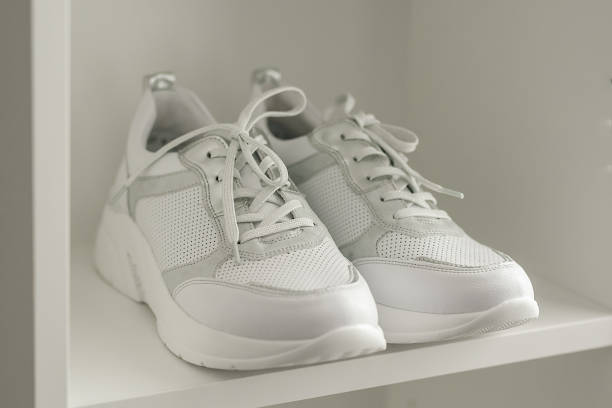
The human foot is a marvel of bioengineering, composed of twenty-six bones, thirty-three joints, and over a hundred muscles, tendons, and ligaments. At the center of this intricate structure lies the arch, a natural shock absorber and spring that distributes force during every step. When this arch falters—whether due to genetics, age, or overuse—the resulting instability can ripple upward through the ankles, knees, hips, and spine. This is where modern walking shoes, specifically those designed with lightweight construction and extra arch support, step in as both a corrective and preventive tool. Understanding the science behind arch support reveals why these shoes have become indispensable for millions of walkers, from casual strollers to dedicated fitness enthusiasts.
At its core, arch support is about restoring the foot’s natural biomechanics. The medial longitudinal arch, the most prominent of the three foot arches, acts like a coiled spring. During the stance phase of walking, the arch flattens slightly to absorb impact, then recoils to propel the body forward. In individuals with flat feet or fallen arches, this spring mechanism is compromised, leading to excessive pronation—an inward rolling of the foot. Traditional walking shoes often relied on heavy cushioning and rigid structural elements to control this motion, but modern footwear has evolved to prioritize lightweight materials without sacrificing support. Advances in foam technology, such as ethylene-vinyl acetate (EVA) blends and polyurethane compounds, now allow manufacturers to build arch support directly into the midsole. These foams are engineered to be both resilient and responsive, offering targeted compression resistance under the arch while remaining soft enough to accommodate natural foot movement.
Extra arch support in contemporary walking shoes is not merely about adding a raised bump in the footbed. The most effective designs incorporate a multidirectional approach that addresses the three-dimensional nature of gait. A medial post, often made from a denser foam or thermoplastic polyurethane (TPU), is strategically placed along the inner side of the midsole to resist excessive pronation. Meanwhile, a heel cradle and a structured heel counter work together to stabilize the rearfoot, aligning the calcaneus with the tibia. This combination allows the arch to be supported dynamically, adapting to changes in terrain and walking speed. For example, a person walking on a sloping surface or transitioning from a paved path to a gravel trail benefits from a shoe that maintains arch integrity without feeling stiff. The goal is to create a platform that guides the foot through a more efficient gait cycle, reducing fatigue and lowering the risk of plantar fasciitis, shin splints, and other overuse injuries.
The lightweight aspect of these walking shoes is equally crucial. Heavy shoes can exaggerate the demands on the lower leg muscles, leading to early exhaustion and altered stride mechanics. By using thinner yet high-strength uppers made from engineered mesh or knit fabrics, modern walking shoes reduce overall weight while still providing breathability and flexibility. These uppers often incorporate overlays or exoskeleton structures that offer lateral support without the bulk of traditional leather or synthetic materials. The result is a shoe that feels like a second skin, allowing the foot to move naturally while the arch support works silently beneath. Furthermore, lightweight midsoles made from supercritical foams (such as those infused with nitrogen or carbon dioxide) provide a high energy return, meaning the shoe returns more of the energy you put into each step. This not only makes walking feel easier but also reduces the cumulative load on the arches across a long day of standing or walking.
For individuals with specific foot conditions, such as high arches, extra arch support takes on a different meaning. High-arched feet, or pes cavus, are inherently rigid and prone to insufficient shock absorption. In these cases, lightweight walking shoes with extra arch support often feature a contoured footbed that conforms to the raised arch shape, distributing pressure more evenly across the forefoot and heel. The support here is less about controlling pronation and more about filling the natural void under the arch to prevent collapse at the midfoot. Many modern shoes also allow for removable insoles, enabling users to swap in custom orthotics if needed. This modular approach acknowledges that one-size-fits-all arch support is rarely effective; instead, the shoe provides a baseline structure that can be fine-tuned.
The integration of arch support into lightweight walking shoes also has implications for long-term joint health. Research indicates that appropriate arch support can reduce the peak pressure on the metatarsal heads and mitigate excessive stress on the plantar fascia. Over time, this translates into fewer walking-related aches and a lower likelihood of developing chronic conditions like osteoarthritis in the knee or hip. The extra support essentially acts as a shock absorber not just for the foot, but for the entire kinetic chain. When the arch is properly stabilized, the loading forces of each step are more evenly distributed, and the body can maintain better alignment through the ankles, knees, and hips. This is particularly valuable for older adults or those recovering from injury, who may have diminished intrinsic foot strength but still wish to maintain an active walking routine.
In summary, the science behind lightweight walking shoes with extra arch support is a delicate balancing act between stability and freedom. By pairing advanced foam chemistries with thoughtful structural design, today’s shoes provide the necessary correction for arch dysfunctions without burdening the foot with unnecessary weight. The result is a walking experience that feels both supported and natural—a testament to how far footwear engineering has come. Whether your arches are flat, high, or somewhere in between, the right pair of walking shoes can transform how you move, one step at a time.
Articles